JimFebruary 3, 20254 Mins read1.2k
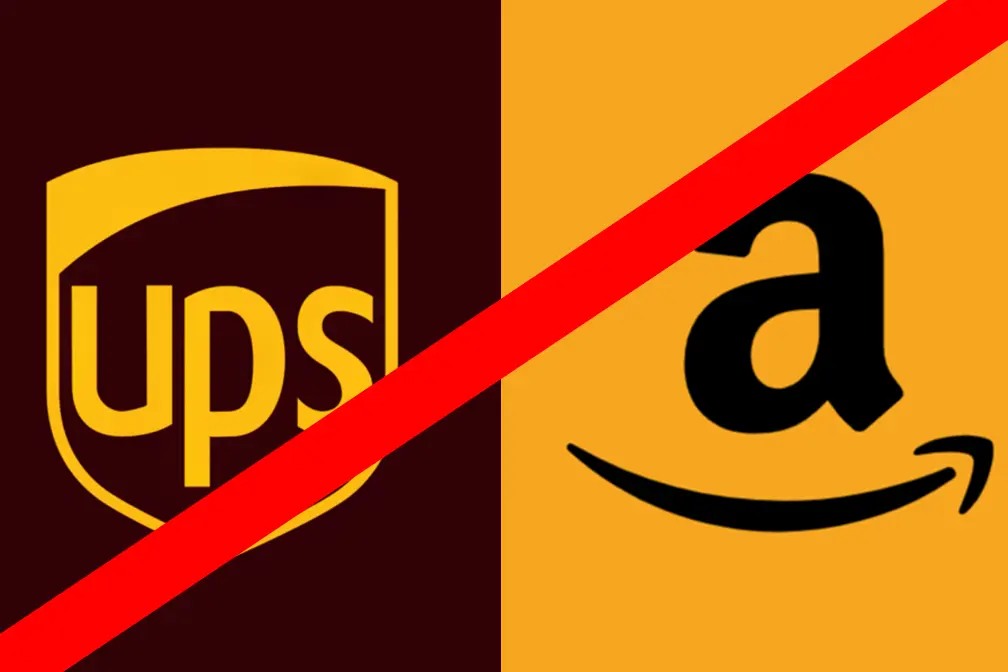
UPS and the Strategic Shift Away from Amazon
During a conference call with investors, UPS CEO Carol Tomé pointed out that although Amazon is a huge 11.8% of the company’s top line, the margins on these deliveries have been rather small. Therefore, in a bid to improve profitability, UPS is moving away from the high-volume, low-margin shipments, especially the ones linked to Amazon, to other business segments.
“Our approach is to move from value to volume,” Tomé said. She explained that by decreasing its dependency on Amazon, UPS would be in a better position to enhance its operations and achieve higher earnings. This strategic shift occurs as the company attempts to improve its business model to fit with the overall logistics industry where carriers are more interested in higher margin business rather than just chasing the big shipping contracts.
Effect on UPS Stock and Market Reaction
This announcement was met with a drop in UPS’s stock price, which fell 14.1% in one day. The stock closed at its lowest level since July 2020, which shows that investors were concerned about the potential revenue effects of decreasing Amazon-related shipments. This sharp decline shows the market’s concern about the company’s ability to replace the package volume from Amazon. Despite the stock dip, UPS remains bullish on its financial prospects in the long term. The company has identified several cost control measures that it will use to offset the expected revenue decline.
UPS Operational Adjustments and Cost-Cutting Measures
As a result of the expected decline in the volume of the shipments related to Amazon, UPS is making the following operational changes in order to decrease the costs and increase the efficiency. One of the most important steps is the closure of 11 buildings across its network. These closures are aimed at integrating the operations and shrinking the infrastructure, which in turn will help to cut down on the overall expenses.
Furthermore, UPS is modifying its SurePost product, which has included some packages being passed on to the U.S. Postal Service for the last mile. Beginning immediately, the company plans to bring more of these deliveries in-house, which will provide the company with more control over the logistics and reduce the need to rely on third-party carriers.
These operational changes are part of the larger UPS initiative to enhance the effectiveness of its delivery network to support its bottom line. Thus, by concentrating on its strengths and cutting on the expenses, the company seeks to maintain the earnings in the long run despite reducing its cooperation with Amazon.
Financial Projections and Wall Street Estimates
The possibility of the Amazon strategy on the financials of UPS has been incorporated in the financial projections that the company has updated. The company estimates that its revenue will decline from $91.1 billion in 2024 to around $89 billion in 2025. This is below the estimates that had been set by analysts, where UPS 2025 revenue was expected to touch $95 billion.
The disparity between the UPS forecast and the forecasts of the analysts shows that the company’s strategic change may pose a challenge to package volume and domestic business profit in the short run. Nonetheless, UPS is convinced that over the next few years, it will be possible to achieve financial success through the promotion of high-margin deliveries.
Industry Analysis and Competition
The last few years have been stoked with changes in the logistics and shipping industry due to changing consumer behavior, new technologies, and shifts in supply chains. One of the main trends influencing UPS and its rivals is the need to improve the effectiveness of the last mile delivery. FedEx, DHL and especially Amazon have been investing a lot of money into improving their logistics networks and reducing costs. In particular, Amazon has been building up its own delivery infrastructure and has been sending fewer shipments to third-party carriers like UPS and FedEx.
Through this, UPS is well-positioned to grow its business and become a more formidable player in this changing environment by reducing its ties to Amazon and focusing on higher margin business. However, the effectiveness of this strategy will depend on the extent to which the company can identify and retain other big customers and control its costs.
The Future of UPS
As for the present, UPS is in a state of transition, and it has its strengths and weaknesses. On the one hand, the reduction of cooperation with Amazon may negatively affect the financial results in the near future; on the other hand, it is consistent with the long-term vision of increasing profitability.
In the next few years, UPS is set to further develop its business model by expanding automation, enhancing its logistics network, and identifying new income sources. Also, the company is likely to pay more attention to the development of its premium services like healthcare logistics and international shipping to offset the loss of business from Amazon.
Over the next few months, it will be important to determine whether or not the new plan is effective. The stock has taken a hit, but the company appears to be willing to sacrifice short-term profits for long-term high-margin growth. This is because UPS’s stock fell after it reported its quarterly results, which were worse than expected due to its decision to pivot away from Amazon.
However, by concentrating on the bottom line as well as implementing certain cost control measures, the company seeks to enhance its financial situation in the long run. This is especially a concern for investors in terms of revenue, but if UPS continues to streamline operations and focus on higher margin deliveries, then stability in earnings should improve.