Vincent ShakirJune 23, 20266 Mins read221
FMCSA Gives Temporary HOS Relief to Railroad CMV Drivers
FMCSA is giving certain railroad-related commercial motor vehicle drivers more time to drive during emergency rail response work. But the agency is not giving the railroad industry the full five-year exemption it asked for.
The Federal Motor Carrier Safety Administration has renewed an Hours-of-Service exemption on a temporary basis. The exemption covers the Association of American Railroads, the American Short Line and Regional Railroad Association, and their member railroads.
The HOS relief runs from June 19, 2026, through October 19, 2026.
It allows some railroad employees who drive commercial motor vehicles to go beyond certain federal Hours-of-Service limits. But they may only do this when responding to unplanned rail events.
Those events may include derailments, track failures, train collisions, bridge strikes, disabled vehicles on railroad tracks, storm damage, blocked grade crossings, and other public safety issues.
This is not a broad HOS change for the trucking industry. It does not apply to most truck drivers who haul freight.
The exemption is limited to certain railroad employees who drive CMVs as part of emergency rail response work.
HOS Relief Does Not Cover Most Truck Drivers
The most important point for truck drivers is simple. This is not a general Hours-of-Service rule change.
A company driver hauling dry van, refrigerated, flatbed, tanker, or other freight is not covered by this exemption during normal work. Owner-operators are also not covered unless they are part of a qualifying railroad-related operation.
That difference matters. HOS rules remain one of the most important compliance issues in trucking.
Most truck drivers still must follow the standard federal limits. These include the 14-hour driving window, the 11-hour driving limit, and the 60-hour or 70-hour weekly limits.
This FMCSA action creates narrow relief for a small group of CMV drivers. Those drivers must be tied to railroad emergency response work.
What the HOS Relief Allows
Under the temporary exemption, covered drivers may extend the 14-hour rule. They may work within a window of up to 17 hours while driving to the site of an unplanned rail event.
Covered drivers may also extend the 60-hour or 70-hour weekly limit by up to 6 hours.
The exemption does not remove all HOS limits. Drivers still may not exceed 11 hours of driving time after 10 straight hours off duty.
Drivers also may not travel more than 300 air miles from their normal work-reporting site or terminal.
Once drivers arrive at the rail event site, different rules apply. Time spent restoring rail service must be recorded as on-duty time. It cannot be counted as driving time.
Drivers and motor carriers must also follow all other Federal Motor Carrier Safety Regulations that still apply.
FMCSA said this exemption is meant for occasional use. It is not meant for routine or daily operations.
FMCSA Did Not Grant Full Five-Year HOS Relief
The railroad groups asked FMCSA for a five-year renewal. FMCSA did not approve that full request.
Instead, the agency granted only a four-month provisional renewal.
That shorter time frame is one of the most important parts of the notice. It shows that FMCSA is not ready to give long-term approval without more information.
FMCSA said it has asked the railroad groups for more details before making a final decision.
The agency wants a full list of USDOT numbers that will operate under the exemption. It also wants to know how often motor carriers have used the exemption.
FMCSA also wants a list of accidents involving any motor carriers that have operated under the exemption.
That means the agency is keeping the exemption active for now. But it is also asking for more safety and use data before deciding whether a longer renewal is justified.
For trucking safety teams, this is a key detail. It may show closer review of how special HOS exemptions are used.
For compliance officers, it also points to the need for clear records. Carriers using an exemption need to know when it applies, who used it, and whether any safety issues occurred.
Safety and Fatigue Are Still Key Issues
The exemption is tied to emergency response. Still, it raises safety questions because it lets some CMV drivers work beyond normal HOS limits.
A 17-hour duty window can add fatigue risk. That risk may be higher during rail emergencies. These events can be stressful, urgent, and tied to bad weather or blocked routes.
FMCSA placed several limits on the exemption to help address that risk.
Covered drivers must complete fatigue-related training before using the exemption. That training includes material from the North American Fatigue Management Program.
If that website is not available, railroads may use a Federal Railroad Administration sleep education resource instead.
FMCSA also requires accident reporting. The railroad associations must notify the agency within five business days of any accident involving a CMV operating under the exemption.
Those reports must include several details. They must list the carrier name, USDOT number, crash location, driver information, injuries, fatalities, citations, and the driver’s on-duty and driving time before the crash.
These rules show that fatigue and crash tracking are central parts of FMCSA’s review.
Why HOS Relief Still Matters to Truck Drivers
Most truck drivers are not directly affected. Even so, the exemption may still matter to the broader trucking industry.
First, it shows that FMCSA is willing to allow targeted HOS relief in some cases. The agency may do this when it sees a public safety need.
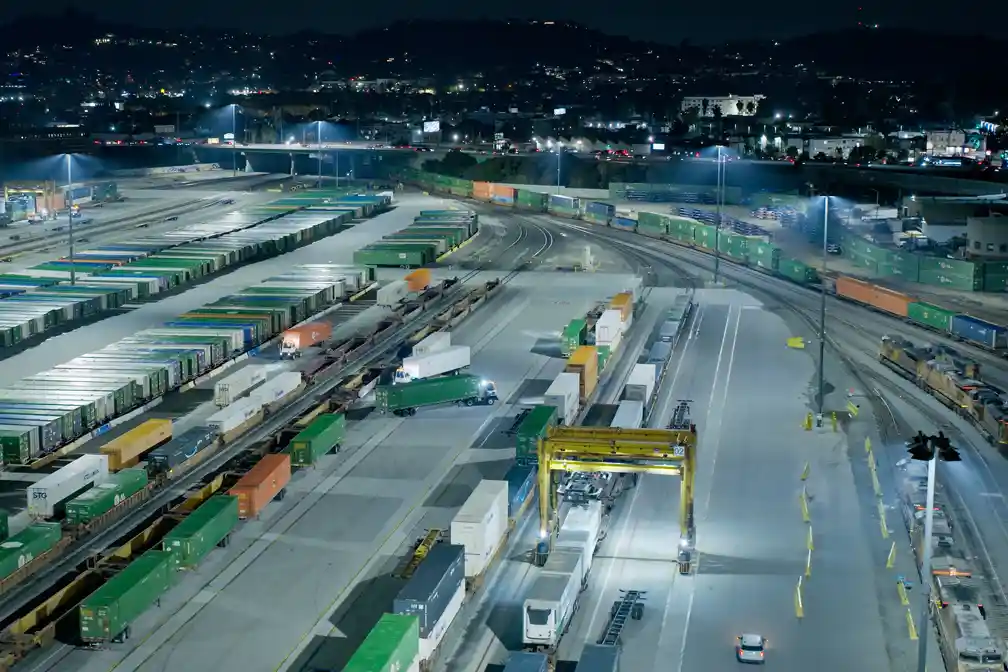
Rail emergencies can block crossings. They can disrupt freight movement. They can also create hazards near roads, rail yards, and intermodal terminals.
Second, the notice raises a fairness issue that many drivers may notice. Most freight drivers must follow standard HOS limits every day. But some railroad-related CMV drivers are allowed limited relief during certain emergency events.
That does not mean the exemption is improper. The notice is tied to public safety and rail service restoration. Still, it shows how federal rules can treat different types of CMV work in different ways.
Third, this may matter to drivers who work near railroad crossings, rail yards, ports, or intermodal facilities.
Railroad response vehicles may be present during derailments, storm damage, blocked crossings, and other rail incidents. Some of those vehicles may be operating under extended duty windows.
For intermodal drivers and drayage carriers, rail problems can also affect freight flow. Delays at rail facilities can slow pickups and deliveries. Blocked crossings can also add time to local routes.
Covered Carriers Must Watch HOS Relief Details
Motor carriers tied to railroad emergency response work should pay close attention to the limits of this exemption.
The exemption applies only when a covered driver is traveling to the site of an unplanned rail event. It does not apply to normal driving or routine work.
Drivers must stay within the 300-air-mile limit. They also must not exceed 11 hours of driving time.
After reaching the event site, drivers must record work time correctly. Time spent helping restore rail service must be logged as on-duty time.
The notice also covers what happens after drivers reach their HOS limits at the work site.
In some cases, drivers may use personal conveyance to travel between the work site and nearby lodging or dining. But that is only allowed when FMCSA guidance applies.
If personal conveyance does not apply, a driver who has reached HOS limits may need another way to leave the work site. That could mean being transported by someone not subject to HOS rules. It could also mean using a vehicle that is not considered a CMV under FMCSA rules.
The exemption also has a state enforcement effect. While it is active, states cannot enforce laws or rules that conflict with this federal exemption for covered operations.
Temporary HOS Relief Keeps the Issue Open
FMCSA said it does not currently have data showing that the exemption would hurt safety when used on an occasional basis.
However, the agency is not giving a long-term approval yet.
That is why this notice is more than a simple renewal. FMCSA is allowing the exemption to continue for now. At the same time, it is asking for more information before making a final call on the five-year request.
The exemption can also be ended early. FMCSA may revoke it if the railroad groups, motor carriers, or drivers fail to follow the terms.
The agency may also revoke it if the exemption leads to a lower level of safety. It could also end the exemption if it no longer fits federal safety goals.
That means the railroad groups still have to prove that the exemption can be used safely.
Bottom Line for the Trucking Industry
FMCSA is allowing certain railroad-related CMV drivers to go beyond normal Hours-of-Service limits during emergency rail response work.
But the HOS relief is narrow. It is temporary. It comes with strict limits.
For most truck drivers, nothing changes. Standard federal HOS rules still apply to normal freight operations.
The notice still matters because it shows how FMCSA is handling special HOS relief in safety-sensitive transportation work.
The agency is allowing limited flexibility for railroad emergency response. But it is also asking for crash data, USDOT numbers, and use records before deciding whether to grant a longer five-year renewal.
For truck drivers, fleets, and compliance teams, the key takeaway is clear. This is not a broad HOS rule change. It is a limited exemption for certain railroad-related CMV drivers. FMCSA is keeping it short while it reviews the safety record.