Vincent ShakirNovember 12, 20264 Mins read183

Under-21 CDL Pilot: Limited Results, More Questions
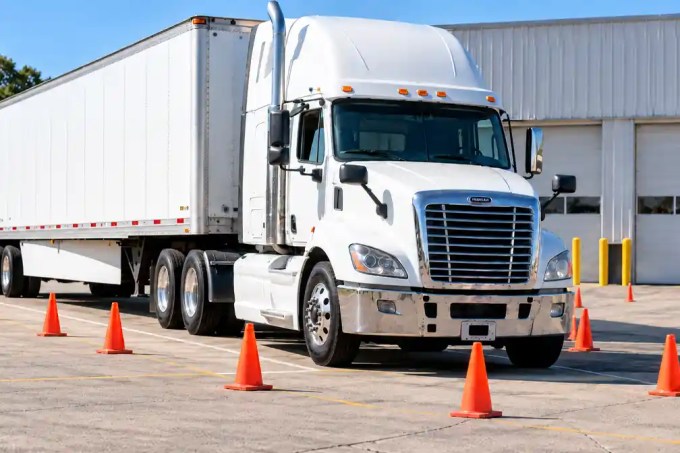
A federal under-21 CDL program, (SDAP) designed to help young drivers enter interstate trucking drew far fewer participants than expected. Now, Congress faces questions about the program’s future and what its results say about driver safety.
Under-21 CDL Pilot Approved Just 76 Young Drivers
A federal program designed to help young truck drivers enter interstate trucking attracted far fewer participants than allowed.
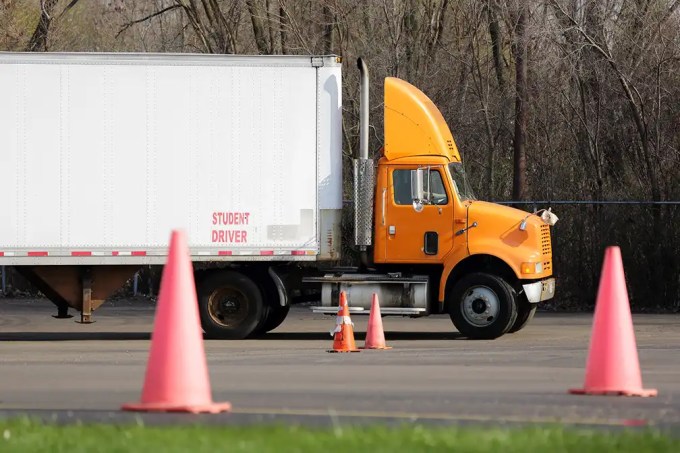
A Congressional Research Service report, updated November 3, 2026, reviewed the Safe Driver Apprenticeship Pilot Program (SDAP). The program allowed certain CDL holders ages 18 through 20 to drive commercial trucks across state lines under special rules.
Congress had allowed up to 3,000 young drivers to take part. However, the Federal Motor Carrier Safety Administration (FMCSA) approved just 76 apprentices. That was about 2.5% of the program’s limit.
The pilot ended on November 7, 2025. Its low enrollment has raised questions about how well the program worked. There are also concerns about whether enough safety data was collected to guide future decisions.
Why the Federal Government Created the Program
Federal rules generally require commercial truck drivers to be at least 21 years old to operate in interstate commerce.
Drivers ages 18 through 20 can hold CDLs and drive within their home states where state laws allow. However, they generally cannot operate across state lines.
Congress created the pilot through the 2021 infrastructure law. Its goal was to give younger CDL holders a path into interstate trucking while testing their safety under close supervision.
FMCSA launched the program in 2022.
To qualify, young drivers needed a CDL and a job with an approved trucking company. They also had to complete two training periods.
The first required 120 hours, including at least 80 hours of driving. The second required 280 hours, including at least 160 hours behind the wheel.
During both periods, an experienced truck driver had to ride in the passenger seat. Mentors had to be older than 26 and have at least five years of interstate truck driving experience.
Under-21 CDL Program Struggled to Attract Carriers
The program struggled to attract trucking companies as well as young drivers.
FMCSA received 211 applications from motor carriers. Only 62 companies received approval.
Another 88 applications failed to meet the program’s safety rules. Six carriers were removed because their operating authority was no longer active.
The remaining 55 applications were listed as withdrawn. However, that group included some applications that had passed an early review or had not been fully reviewed.
These numbers show that many carriers that applied never entered the program. Still, the report does not explain exactly why so few companies took part.
Congress also changed some program rules in 2024. Carriers no longer had to register their training programs with the Department of Labor. FMCSA also could not require inward-facing cameras as a condition of taking part.
Despite these changes, enrollment remained low.
Only 42 Young Drivers Finished Both Training Periods
The results show that the program remained small throughout its run.
FMCSA received 80 applications from young CDL holders and approved 76.
By June 2025, only 42 apprentices had finished both required training periods. That was about 55% of the approved drivers.
Another 30 had not finished both periods, while four were still in training.
Of those who did not finish, 16 chose to leave the program. Eight were removed from their trucking company, and six turned 21 before they could finish.
These figures do not show how many drivers stayed in trucking after leaving the program.
They also do not prove that young drivers lacked interest in the industry. The report does not point to one clear reason for the low enrollment.
FMCSA had not released enrollment updates for the final two quarters when the congressional report was prepared. As a result, these figures do not provide a complete final count of the program’s training results.
Under-21 CDL Pilot Leaves Safety Questions Unanswered
One of the program’s main goals was to learn whether younger commercial drivers could operate as safely as drivers ages 21 and older.
Congress required the Department of Transportation to submit a report on the program’s safety results.
That report was due March 7, 2026.
It was supposed to review crashes, safety records, driving time, and other data. The findings also had to compare young apprentices with older commercial drivers.
According to the updated congressional review, FMCSA had not published the required report as of September 2026.
A separate FMCSA report covering fiscal years 2023 and 2024 said the agency had seen no harmful safety effects during that period. However, that finding did not replace the full safety review required by Congress.
The small number of apprentices could also make it hard to draw broad conclusions.
The available results do not prove that younger interstate drivers are as safe as older drivers. They also do not prove that younger drivers are more dangerous.
Trucking Groups Disagree on Expanding the Program
The future of interstate trucking for drivers under 21 remains a topic of debate.
The American Trucking Associations (ATA) has asked FMCSA for a five-year exemption. This would allow carriers that previously took part in the pilot to continue hiring and training younger drivers.
The Commercial Vehicle Training Association, Truckload Carriers Association, and Next Generation in Trucking Association supported the request. They see the program as a way to bring more young workers into trucking.
However, the Owner-Operator Independent Drivers Association (OOIDA) and several highway safety groups opposed the request. They raised concerns about the age and experience of young drivers.
OOIDA also questioned whether the program would help solve the industry’s hiring and driver retention problems.
FMCSA published the exemption request for public comment in January 2026. A final agency decision could not be confirmed during the review of this issue.
Congress Considers the Future of Under-21 CDL Drivers
Lawmakers have proposed bills that could extend or replace the apprenticeship program.
Section 5401 of the BUILD America 250 Act, H.R. 8870, would extend the pilot. The House Transportation and Infrastructure Committee advanced the bill in May 2026.
A September 2026 Congressional Budget Office review still treated the measure as a proposal. The bill has not become law.
Another bill, the DRIVE-SAFE Act, H.R. 5563, seeks to create an apprenticeship program for commercial drivers under 21.
Neither bill has been confirmed as enacted. Therefore, neither creates new general permission for younger CDL holders to drive across state lines.
What This Means for Commercial Truck Drivers
For younger CDL holders, the main issue is access to interstate trucking jobs before age 21.
A future apprenticeship program could open more training and job opportunities. It could also give experienced truck drivers new chances to work as mentors.
For trucking companies, a new program could bring added duties involving training, safety rules, and recordkeeping.
However, the federal age requirement for interstate truck driving remains generally 21. The completed pilot does not change that rule.
The larger question is whether Congress will expand opportunities for younger drivers without clear, broad safety findings from the first program.
With only 76 approved apprentices and no published final safety review confirmed in the congressional report, the future of under-21 CDL drivers in interstate trucking remains uncertain.