dayileyvasApril 8, 20263 Mins read275

Trucking Job Options and How to Choose Wisely
The trucking industry continues to play a key role in the U.S. economy, moving goods across local, regional, and national routes. As of 2026, demand for drivers remains strong, with ongoing shortages creating steady job opportunities and career growth across multiple industry segments.
However, not all truck driver jobs are the same. Drivers can choose from a wide range of roles depending on experience, lifestyle preferences, and income goals. Understanding these options can help drivers find the right fit for their career.
Overview of Trucking Job Types
Jobs can be grouped by cargo type, route structure, and level of specialization. Each category offers different schedules, pay levels, and requirements.
Dry Van Trucking
Dry van is the most common type of trucking job. Drivers haul general freight in enclosed trailers, often making deliveries to warehouses and distribution centers.
This role is widely available and typically requires a Class A CDL. It is often considered a starting point for new drivers because it does not require special endorsements.
Flatbed Trucking
Flatbed drivers haul oversized or irregular cargo such as construction materials, machinery, or vehicles. These loads are transported on open trailers and must be secured manually.
This type of job often pays more due to the physical work involved and the need for load securement skills.
Refrigerated (Reefer) Trucking
Reefer drivers transport temperature-sensitive goods such as food and medical supplies. In addition to driving, they monitor refrigeration systems and ensure cargo remains within safe temperature ranges.
This job offers steady demand, especially in food supply chains, but may involve more responsibility during transport.
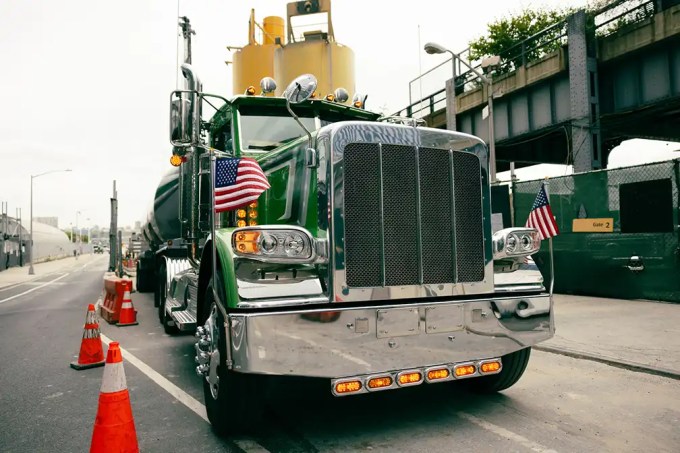
Tanker and Hazmat Trucking
Tanker drivers haul liquids such as fuel, chemicals, or food-grade products. Many of these roles require a hazardous materials (Hazmat) endorsement.
Because of the added risk and certification requirements, tanker and Hazmat jobs often pay higher than standard freight hauling positions.
Less-Than-Truckload (LTL) and Local Delivery
LTL drivers handle smaller shipments that are delivered to multiple locations. These jobs are often regional or local, allowing drivers to return home more frequently.
Local delivery roles typically involve multiple stops per day and require strong time management and customer interaction skills.
Over-the-Road (OTR) Trucking
OTR drivers travel long distances across multiple states and may spend weeks on the road. These roles are common in long-haul freight operations.
While OTR jobs can offer higher earnings, they also require extended time away from home.
Dedicated and Regional Routes
Dedicated drivers work with a single customer or route, often traveling between the same locations. Regional drivers operate within a specific area, usually covering several neighboring states.
These roles offer more predictable schedules compared to OTR jobs and are popular among drivers seeking consistency.
Owner-Operator Jobs
Owner-operators run their own trucking business, either independently or under contract with carriers. They choose loads, routes, and schedules.
This option offers higher earning potential, but it also comes with increased expenses such as fuel, maintenance, and insurance.
CDL Classes and Job Options
Most trucking jobs require a commercial driver’s license (CDL), but the type of license affects job opportunities.
- Class A CDL: Required for tractor-trailers and most long-haul jobs
- Class B CDL: Covers smaller commercial vehicles like dump trucks or straight trucks
- Endorsements: Needed for specialized roles such as Hazmat, tanker, or double trailers
Drivers with additional endorsements often qualify for higher-paying positions.
Which Trucking Jobs Pay the Most in 2026?
Pay in trucking varies based on experience, risk level, and specialization.
Some of the highest-paying roles in 2026 include:
- Owner-operators
- Hazmat and tanker drivers
- Oversized and specialized freight haulers
- Ice road or remote route drivers
In general, jobs that require more skill, certifications, or time away from home tend to offer higher earnings.
Key Factors to Consider When Choosing a Trucking Job
Choosing the right trucking job depends on several factors that go beyond pay.
Home Time
One of the biggest decisions is how often a driver wants to be home. Local and regional jobs offer more home time, while OTR positions require longer periods on the road.
Income Goals
Higher-paying jobs often involve more risk, longer routes, or additional certifications. Drivers must decide whether higher earnings outweigh those trade-offs.
Experience Level
New drivers often start in entry-level roles such as dry van or regional trucking. Over time, they may move into specialized positions with higher pay.
Work Environment
Some jobs involve physical labor, such as flatbed trucking, while others focus more on driving and monitoring equipment, like reefer or tanker roles.
How to Choose the Right Trucking Job
Drivers entering the industry or considering a change often benefit from starting with a few key questions:
- How much time should be spent on the road?
- What level of physical work is acceptable?
- Is additional training or certification worth pursuing?
- Are long-term earnings or work-life balance the priority?
Answering these questions can help narrow down the best options.
Final Thoughts on Trucking Career Paths
The trucking industry offers a wide range of career paths, from entry-level driving jobs to specialized, high-paying roles. Each option comes with its own schedule, responsibilities, and earning potential.
As the industry continues to evolve in 2026, drivers have more opportunities than ever to choose a path that fits their goals, whether that means staying local, going long-haul, or moving into specialized freight.