Vincent ShakirJune 11, 20253 Mins read1.1k
Self-Driving Trucks: Colorado Governor Vetoes Human Driver Bill
Governor Rejects Bill Requiring Human Drivers in Self-Driving Trucks
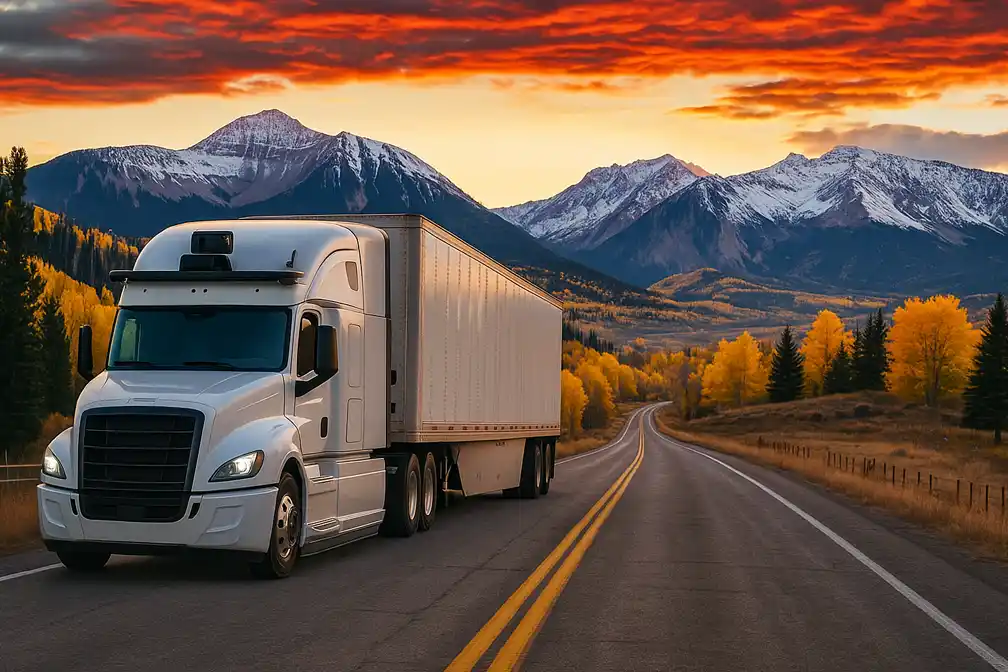
A bill in Colorado that would have required a human commercial driver to be inside self-driving trucks has been vetoed. Governor Jared Polis rejected House Bill 25-1122 (HB 25-1122) on May 29, 2025. The bill had passed both the State House and Senate before reaching his desk.
What the Vetoed Bill Said About Self-Driving Trucks
The vetoed bill said that anyone using self-driving trucks on public roads would need to meet strict rules. A commercial driver’s license (CDL) holder would have to be present in the truck at all times. The person would need to:
- Be physically inside the vehicle
- Sit in the driver’s seat when carrying hazardous materials
- Watch the system while the truck was in motion
- Step in if anything unsafe or illegal happened
The bill did not apply to light-duty vehicles. The penalties for breaking the rule would have started at $1,000 and increased for repeat offenses. A second offense would have cost $2,000, and fines would double with each new violation.
If it had become law, the rules for self-driving trucks would have gone into effect on July 1, 2027.
Polis Explains His Self-Driving Trucks Veto
Governor Polis said the goal of the bill was clear: to improve safety. But he believed the bill could stop future advances in transportation safety.
“No other state has such a mandate,” Polis wrote in his veto letter. “HB 25-1122 would effectively create a first-in-the-nation prohibition on autonomous commercial vehicle testing and operations.”
He pointed out that most traffic accidents are caused by human error. He said self-driving trucks could help reduce those numbers. But forcing a human driver to always be in the cab could block that progress.
Polis also pointed to an earlier law passed in 2017—Senate Bill 17-213—which set up a system for reviewing autonomous vehicle testing. That law created the Autonomous Mobility Task Force. This group includes the Colorado Department of Transportation (CDOT), the Colorado State Patrol, and the Department of Revenue. They are in charge of approving self-driving vehicle tests in the state.
Colorado’s Experience with Autonomous Trucks and Tech
Since 2017, the task force has reviewed six requests for autonomous testing. Two of those were from CDOT itself. The agency wanted to use Autonomous Truck Mounted Attenuators (ATMAs) for road striping.
ATMAs are designed to absorb crashes and protect road crews. They remove the need for a driver to be in the most dangerous spot. Polis said these trucks have helped protect workers and are an example of technology that works well.
“There is a clear and immediate benefit to deploying ATMA Vehicles,” he wrote.
Polis added that Colorado was one of the first states to use ATMAs, and five other states followed their lead. Although ATMAs are not the same as self-driving trucks used for freight, he said the example proves that automation can improve safety.
Truck Drivers, Technology, and the Future
Polis thanked truck drivers for their hard work. He said they are essential to keeping goods moving across the country. He also said that many people feel unsure when new technology is introduced.
“I also appreciate that with any new technology, there is a level of discomfort and uncertainty,” Polis wrote. “And that the intention of this bill is to address safety concerns.”
However, he warned that the bill could interfere with a review process that is already working. He believes stopping the bill helps keep the door open for safer, smarter solutions in the future.
What’s Next for Self-Driving Trucks in Colorado
House Bill 25-1122 had bipartisan support. Its sponsors—Representatives Lieder and Richardson and Senators Sullivan and Liston—said the bill was meant to keep highways safe. They wanted human drivers to stay involved when self-driving trucks are used, especially when hazardous materials are on board.
Supporters of the bill said human oversight is still necessary to make sure the roads stay safe. But with the bill now vetoed, the state will continue using the 2017 oversight system to regulate autonomous trucking.
The debate over self-driving trucks in Colorado is likely to continue. As the technology develops, more states may revisit similar proposals. Governor Polis has said safety will remain his highest priority as Colorado moves forward.