Vincent ShakirMarch 19, 20264 Mins read682
Dalilah’s Law Advances to Strengthen CDL Standards
The House Transportation and Infrastructure Committee has approved a new bill aimed at tightening commercial driver licensing standards. The bill is called Dalilah’s Law. It focuses on driver qualifications, enforcement, and training. These changes could directly affect commercial truck drivers across the United States.
The legislation was led by Highway and Transit Subcommittee Chairman David Rouzer. It passed the committee with a vote of 35 to 26. Lawmakers are now expected to move the bill forward for further review in Congress.
Dalilah’s Law Targets Stronger CDL Requirements
The law is designed to strengthen how Commercial Driver’s Licenses (CDLs) are issued. It also aims to improve how those licenses are enforced. Lawmakers say the goal is to make sure all commercial drivers meet safety standards before getting behind the wheel.
One key part of Dalilah’s Law focuses on English language skills. Drivers would need to read and understand English. This includes road signs and communication with law enforcement officers.
The bill also targets weak enforcement at the state level. Lawmakers say some drivers have been able to get CDLs even if they were not fully qualified. Dalilah’s Law aims to close those gaps.
For truck drivers, this could mean stricter testing and checks during the licensing process. It could also mean closer attention during roadside inspections.
Expanded Enforcement and State Accountability
Dalilah’s Law includes several new enforcement measures. These rules apply to both drivers and states.
States would be required to follow the new standards under Dalilah’s Law. If they fail to do so, they could lose federal funding. This adds pressure on states to enforce CDL rules more closely.
The legislation also requires states to confirm that CDL holders meet legal requirements. This includes making sure licenses are not issued to people who are not eligible.
Drivers who fail to meet safety or qualification standards could be placed out of service. This could happen more quickly than under current rules.
These changes could lead to more inspections and more enforcement activity across the trucking industry.
Addressing Fraud and CDL Training Practices
Dalilah’s Law also targets fraud in the trucking industry. Lawmakers raised concerns about certain dispatch services and brokers. Some of these have been linked to freight fraud and cargo theft.
The bill includes measures to address these issues. It aims to limit the role of what lawmakers describe as “shady” operators in the industry.
Another focus is on training programs. Dalilah’s Law targets so-called “CDL mills.” These are programs that may not provide proper training for new drivers.
Lawmakers say stronger oversight will help ensure that new drivers are ready for the job. This could improve safety on the road.
Dalilah’s Law Background and Safety Concerns
Dalilah’s Law is named after Dalilah Coleman. She was a young girl who was seriously injured in a crash involving a semi-truck. Lawmakers say the truck driver involved was an illegal alien not qualified to operate the vehicle.
The incident has been used as an example of what can happen when CDL rules are not enforced. Lawmakers say stronger standards could help prevent similar crashes in the future.
Dalilah’s Law Gains Support from Federal Officials
Federal officials have voiced support for Dalilah’s Law. U.S. Transportation Secretary Sean P. Duffy spoke about the need for stronger rules.
In a statement released ahead of the committee markup, Duffy said:
“I’m grateful to our strong House Republican leadership for putting Americans first. Representative Rouzer’s bill, Dalilah’s Law, codifies a simple premise: no English, no license. Unqualified and unvetted foreigners have no business getting behind the wheel of an 80,000-pound vehicle and killing innocent American families. President Trump was clear: pass Dalilah’s Law and safeguard American roads.”
Supporters say the bill reinforces basic safety standards. They argue it will help ensure that only qualified drivers operate commercial vehicles.
What This Means for Truck Drivers
If passed, Dalilah’s Law could bring several changes for truck drivers.
Drivers may face stricter requirements when applying for a CDL. Testing and verification could become more detailed. English language skills may be checked more closely.
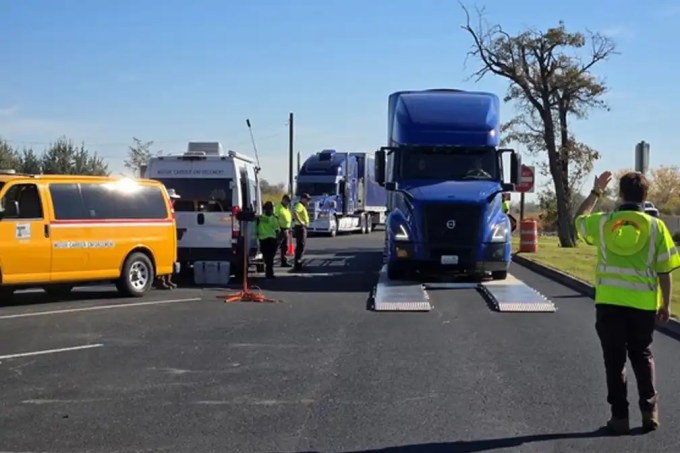
Roadside inspections could also change. Officers may place more focus on driver qualifications and compliance.
Drivers who do not meet the standards could be placed out of service. This could happen faster than before.
Training programs may also face new rules. New drivers may need to complete stronger training before entering the industry.
For many drivers, Dalilah’s Law could raise the bar for entering and staying in the profession.
Impact on the Trucking Industry
The trucking industry could see several effects if Dalilah’s Law becomes law. In the short term, carriers may need to adjust to new compliance rules. This could include reviewing hiring practices and training programs.
Over time, lawmakers say the changes could improve safety. Better training and stricter enforcement may reduce accidents. It could also create more consistent standards across the country.
Carriers may also see fewer issues tied to fraud or poorly trained drivers. This could help improve reliability in the freight market.
What’s Next for Dalilah’s Law
Dalilah’s Law will now move forward in the legislative process. Lawmakers in the House and Senate will review the bill.
If it passes both chambers and is signed into law, Dalilah’s Law could bring major changes to CDL requirements. It could also reshape how driver qualifications are enforced across the country.