Operation SafeDRIVE Results: Nearly 2,000 Drivers and Trucks Out of Service
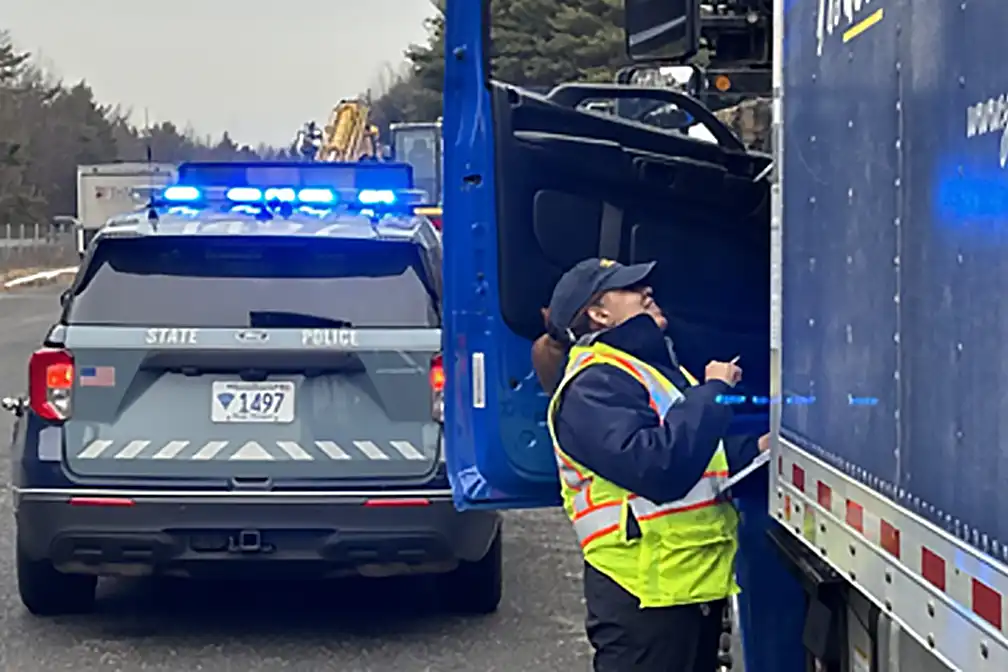
Operation SafeDRIVE led to nearly 2,000 commercial drivers and vehicles being removed from service during a recent nationwide enforcement effort. The inspections were coordinated by the FMCSA along with state and local law enforcement. The first phase took place January 13–15, and covered freight routes across 26 states, and Washington, D.C. Federal and state officers conducted targeted roadside inspections focused on driver qualifications, vehicle condition, and compliance with safety rules.
Operation SafeDRIVE Results From More Than 8,000 Inspections
During Operation SafeDRIVE, officers conducted 8,215 roadside inspections. The operation covered routes in:
Alabama, Arkansas, Connecticut, Delaware, Florida, Georgia, Illinois, Kentucky, Louisiana, Maine, Maryland, Massachusetts, Mississippi, New Hampshire, New Jersey, New Mexico, New York, North Carolina, Oklahoma, Pennsylvania, Rhode Island, South Carolina, Tennessee, Texas, Virginia, West Virginia, and Washington, D.C.
According to DOT data:
- 704 drivers were placed out of service
- 1,231 vehicles were placed out of service
- 56 arrests were reported
- Combined, nearly 2,000 drivers and trucks were sidelined
Because inspections were spread across many states, the results reflect conditions across a wide portion of the national freight network.
Results Show Driver Qualification Issues
A portion of the out-of-service orders involved driver-related violations.
These can include:
- Invalid or missing CDL credentials
- Medical certificate problems
- Hours-of-service violations
- DUI or drug-related offenses
- Illegal presence in the United States
- Failure to meet federal qualification standards
When a driver is placed out of service, they cannot continue driving until the issue is corrected. That can mean delays, missed loads, or additional company costs.
According to DOT, some arrests involved impaired driving offenses and immigration-related violations.
For professional drivers, keeping licenses, medical cards, and paperwork current remains critical during any inspection period.
Vehicle Defects
Vehicle violations also made up a large share of the totals. Officers inspected brakes, tires, lights, and other key safety systems.
Common out-of-service causes often include:
- Brake system problems
- Tire damage or low tread
- Lighting failures
- Steering or suspension defects
If a truck is placed out of service, it must be repaired before returning to the road. In many cases, that means waiting for parts or roadside service. As a result, even small mechanical issues can quickly turn into downtime.
Operation SafeDRIVE Expands Coordinated Enforcement
FMCSA said Operation SafeDRIVE involved both federal and state partners working together. These joint efforts allow more inspectors to operate at the same time and cover more territory.
This type of targeted enforcement differs from routine inspections. Instead, it concentrates resources over a short period to identify higher-risk drivers and vehicles. For truckers, that usually means:
- More inspection sites
- More weigh station activity
- Higher chance of roadside checks
Therefore, drivers may notice increased enforcement during similar operations in the future.
What Operation SafeDRIVE Means for Truck Drivers
The operation does not change any regulations. However, it shows that safety enforcement remains active and visible. For drivers, the results serve as a reminder to:
- Keep logbooks or ELD records accurate
- Carry current licenses and medical cards
- Meet federal driver qualification standards, including English language requirements
- Check equipment daily
- Fix defects before hitting the road
During Operation SafeDRIVE, some drivers were placed out of service for qualification issues, including nearly 500 for English proficiency violations, according to federal inspection data.
Most inspections end quickly when paperwork and equipment are in order. Still, violations can lead to delays or lost work time.
Where Things Stand After Operation SafeDRIVE
At this point, Operation SafeDRIVE is complete. The agency simply reported the results from the January inspection window. No new mandates were announced. However, similar campaigns may continue throughout the year as FMCSA monitors safety trends.
For truck drivers, the key takeaway is straightforward: enforcement levels can increase during coordinated operations, and compliance helps avoid costly out-of-service orders. Overall, the recent SafeDRIVE results show how quickly inspections can affect both drivers and equipment when issues are found.
 dayileyvasFebruary 6, 20262 Mins read657