dayileyvasApril 24, 20263 Mins read448
Pennsylvania bills target CDL rules, English standards
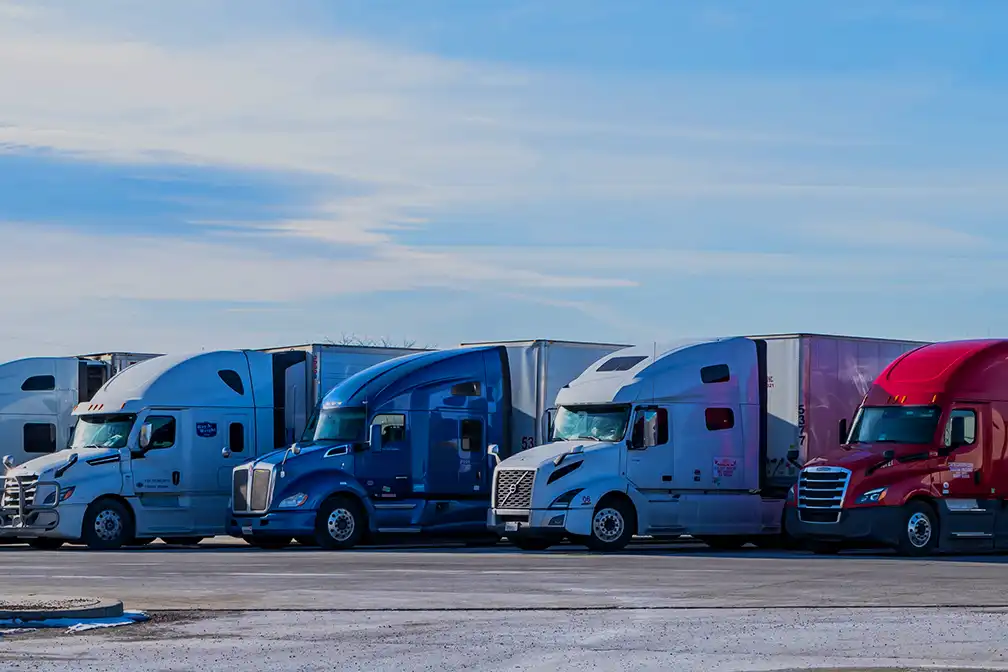
Several new bills introduced in Pennsylvania could bring major changes to commercial driver licensing, testing, and enforcement. The proposals focus on English proficiency requirements, CDL eligibility, and penalties tied to violations.
The legislation includes Senate Bills 1294, 1295, and 1296. Together, these measures aim to tighten standards for commercial drivers operating in the state.
English Proficiency Standard Becomes a Central Issue
One of the biggest changes comes from Senate Bills 1295 and 1296. These bills would require all commercial drivers to meet a defined English proficiency standard to operate a truck in Pennsylvania.
Under the proposed rule, drivers must be able to read and speak English well enough to:
- Communicate with the general public
- Understand road signs and traffic signals
- Respond to law enforcement or officials
- Complete required reports and records
If a driver does not meet this standard, they could face penalties. A first offense would carry a $500 fine and possible disqualification. A second offense could increase the fine to $1,000 and result in further disqualification.
Drivers found in violation could also be taken out of service immediately. In some cases, the truck may be impounded, especially if the driver is also the owner of the vehicle.
Out-of-Service and Enforcement Impacts in PA Bills
The bills outline strict enforcement steps if a driver fails to meet the English requirement.
A driver could be prohibited from continuing the trip. The employer may need to send another qualified driver to move the truck. Cargo owners could also be notified to arrange load transfers if needed.
Employers and contractors may face penalties as well. Each violation involving a driver could result in a $3,000 fine for the company involved.
These provisions suggest the changes would not only affect drivers but also carriers and brokers involved in the shipment.
Bills Change CDL Testing and Language Use
Senate Bill 1295 also proposes updates to how CDL tests are administered in Pennsylvania.
The bill would require knowledge tests to be offered only in English. While an oral version of the test would still be allowed, it must also be conducted in English. The use of interpreters would not be permitted during testing.
In addition, examiners would need to confirm that applicants meet the English proficiency standard before passing the skills test.
These changes could affect new drivers entering the industry, especially those who previously relied on translated exams or interpreter assistance.
PA Bills Bring New Rules for Nondomiciled CDLs
Another key section of the legislation focuses on nondomiciled CDLs, which are issued to drivers from foreign jurisdictions.
Under Senate Bill 1295, applicants would need to show proof of lawful immigration status to qualify. The validity of the license would be tied to the duration of their legal stay in the United States.
The bill also states that:
- Applications without proof of lawful status would be rejected
- Licenses could not exceed one year in validity
- All transactions must be completed in person
- The license would clearly be marked as “non-domiciled.”
These changes could limit access to CDLs for certain drivers and tighten verification processes.
Bills to Expand Disqualification Rules
Both Senate Bills 1295 and 1296 would add violations of the English proficiency standard to the list of offenses that can lead to CDL disqualification.
This means drivers could face a one-year disqualification period for certain violations tied to language requirements, similar to other serious offenses already listed under state law.
This change signals that the state may treat language compliance as a safety-related issue.
PA Bills Will Increase Penalties for Training Schools
Senate Bill 1294 focuses on a different part of the industry: private training schools.
The bill would increase civil penalties for violations under the Private Licensed Schools Act. Fines could rise from $2,500 to as much as $25,000 per violation.
While this does not directly regulate drivers, it could impact CDL training providers and schools that prepare new drivers for licensing.
Higher penalties may lead to stricter oversight of training programs across the state.
Federal Law Still Takes Priority
The legislation also makes clear that federal regulations would override state rules if there is a conflict.
This is important because CDL standards are largely governed by the FMCSA. If any part of the state law conflicts with federal rules, the federal standard would apply.
What This Could Mean for Truck Drivers
If passed, these bills could bring noticeable changes for drivers operating in Pennsylvania.
The focus on English proficiency may increase enforcement during inspections and roadside stops. Drivers who cannot meet the requirement could be placed out of service immediately.
New drivers may also face stricter testing conditions, with fewer language options available during the CDL process.
For carriers, the risk of fines tied to driver violations may lead to closer screening and hiring practices.
At the same time, the proposals are still in the legislative process. Lawmakers may revise or debate the details before any final decision is made.