Vincent ShakirApril 3, 20253 Mins read1k

Photo: Governor Mike DeWine signs House Bill 54
Ohio’s $11 Billion Transportation Budget Prioritizes Truck Parking and Road Safety
Ohio Governor Mike DeWine has signed House Bill 54. The bill approves an $11 billion transportation budget for fiscal years 2026 and 2027. This funding will support important Ohio DOT road and infrastructure projects across the state. The budget will go into effect on July 1.
Road Maintenance and Safety Improvements
Most of the funding—over 90%—will go to the Ohio Department of Transportation (ODOT). That money will be used to fix and maintain roads, bridges, traffic lights, signs, culverts, and other key infrastructure. It will also support snow and ice removal during the winter months.
Ohio DOT will also receive more funding for its Highway Safety Improvement Program. The program is already the largest per capita in the country. The new budget will raise its funding from $185 million to $191 million for fiscal years 2026 and 2027.
These safety upgrades are aimed at reducing crashes and saving lives. The improvements are part of ODOT’s goal to make Ohio roads safer for everyone.
Ohio DOT to Invest in Truck Parking
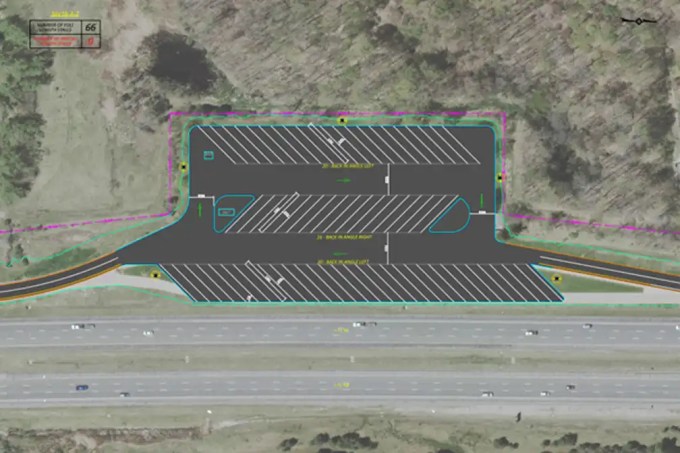
One of the most important parts of the budget for truck drivers is a $150 million investment. This funding will be used to study and build new truck parking areas on state-owned land. This is a direct response to concerns about driver fatigue and lack of parking options.
From 2015 to 2019, over 460 crashes in Ohio were linked to tired truck drivers. These accidents caused six deaths and many injuries. In that same period, five more people were killed in crashes involving trucks illegally parked on highway shoulders.
The state hopes that building more truck parking will help reduce fatigue and prevent accidents. The new parking areas will give drivers safer and more legal places to stop and rest.
Preparing for Future Technology
The budget also includes funding for Ohio’s Division of Advanced Air Mobility (AAM). This new division will focus on future transportation systems, including drones and other flying technologies. It will work alongside ODOT’s Uncrewed Aircraft Systems Center.
Both teams will be based at the National Advanced Air Mobility Center of Excellence in Springfield, Ohio. The goal is to prepare for the future of freight delivery and transportation.
New Ohio DOT Provisions That Affect Trucking
The bill includes several updates to transportation laws that are important for the trucking industry:
Simpler Vehicle Title Rules: Truck owners will have fewer paperwork requirements when transferring vehicle titles. If a registered dealer is involved, notarization is no longer needed. This makes the process easier, especially for fleets.
Access for State Auditors: The bill allows the state auditor and independent consultants to access Ohio DOT’s systems during audits. This will help make sure tax dollars are being used correctly.
Infrastructure Definitions Expanded: Updates to the legal definitions in the Ohio Revised Code will give the state more flexibility. This could allow for new road designs and better planning in freight-heavy areas.
State Leaders Stress Economic Importance
Governor DeWine highlighted why this budget matters for Ohio.
“Transportation is vital to our state’s economy. It connects Ohioans to jobs, education, healthcare, and entertainment. This budget reaffirms our commitment to providing our great state with a transportation system that is safe, reliable, and prepared for the future,” DeWine said.
Lieutenant Governor Jim Tressel added his support.
“Ohio makes things and moves things,” Tressel said. “The transportation budget that the governor signed today will ensure that we can deliver on the projects that get people and products where they need to go safely.”
More Support for Local Transit Projects
The new law also updates rules for regional transit authorities. These changes will help local transit agencies better manage their operations. It also gives them new options to work with private partners or other public agencies. The goal is to make it easier to improve or expand local transit services.
Some rules have also been streamlined to speed up bidding and construction processes. These updates may reduce delays in public projects and lower costs.
What the Ohio DOT Budget Means for Truck Drivers
Truck drivers will see some direct benefits from the new budget. The investment in truck parking is a major step toward solving a long-standing issue. More safe parking will help drivers stay in compliance with hours-of-service rules. It can also reduce the stress of not knowing where to stop safely at night.
Better-maintained roads are another benefit. Fewer potholes and more reliable routes can help reduce wear and tear on trucks. That means fewer repairs and breakdowns.
With these changes, Ohio is aiming to be a more driver-friendly state. The improvements may also support faster deliveries and safer trips for both freight carriers and passenger vehicles.