Vincent ShakirJune 30, 20253 Mins read3.2k
USDOT Launches Audit of Non-Domiciled CDL Practices
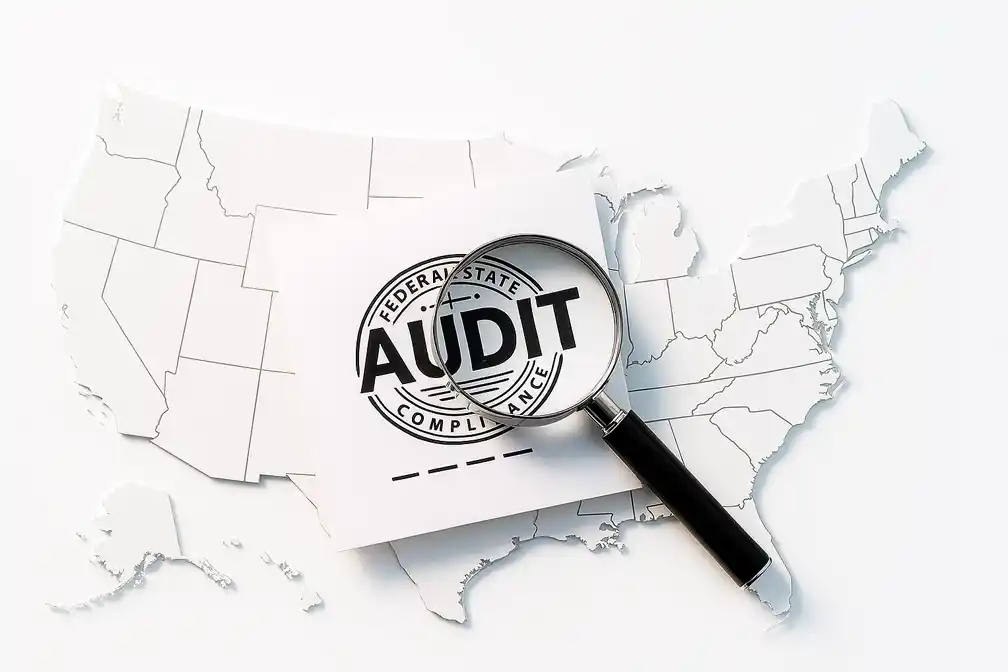
The U.S. Department of Transportation (USDOT) has announced a new nationwide audit. The audit will examine how states issue a non-domiciled CDL. The agency says it aims to find out if unqualified drivers are receiving these licenses. If so, those drivers may pose a safety risk on the road.
The Federal Motor Carrier Safety Administration (FMCSA) will conduct the audit. U.S. Transportation Secretary Sean P. Duffy directed the agency to begin this review. The action follows a recent executive order from President Donald J. Trump. The order focuses on improving roadway safety and increasing oversight of CDL rules.
What Is a Non-Domiciled CDL?
A non-domiciled CDL is a special type of commercial license. It is issued to individuals who are legally in the United States but do not live in the state issuing the license. These drivers are often in the U.S. on work visas or other legal permits.
Federal law allows states to issue these CDLs under very specific conditions. Applicants must show proof of legal presence in the U.S. They also must pass the same written and driving tests required of U.S. citizens. These licenses must clearly state that they are “non-domiciled.”
Non-domiciled CDLs are often used by foreign drivers. Many work for companies that operate across international borders. Oversight of these licenses is seen as important for preventing fraud and keeping roadways safe.
Non-Domiciled CDL Issuance Under Review
FMCSA will review how states issue the non-domiciled CDL. The agency hopes to identify any patterns of misuse. It will also examine whether states are following all required federal guidelines.
The agency says its goal is to ensure that only properly trained and legally authorized drivers hold a non-domiciled CDL. This includes checking for accurate documentation, testing, and training.
Non-Domiciled CDL Audit Tied to Safety Goals
Secretary Duffy said the audit aims to protect public safety and maintain the integrity of the CDL system. There are concerns that some states may be issuing a non-domiciled CDL without full compliance checks.
USDOT has not listed which states are being reviewed. No early findings have been released. However, the agency says the audit will be broad in scope. Officials say the goal is to confirm that all CDL holders—regardless of immigration status—meet the same safety standards.
Audit is Part of a Larger Plan
The non-domiciled CDL audit is one part of a broader enforcement effort. This effort comes from President Trump’s executive order, “Enforcing Commonsense Rules of the Road for America’s Truck Drivers.” The order lays out new safety policies and compliance efforts for the trucking industry.
USDOT says the audit may result in future changes to policy. It could lead to new federal guidance or rules. The agency plans to work with states during the process and provide help where needed.
Federal Rules Set the Standard for Non-Domiciled CDL
Federal rules require states to follow specific steps when issuing any CDL. These steps include confirming identity, checking legal presence, and verifying residency. Drivers must also pass both written and driving tests.
When issuing a non-domiciled CDL, states must also confirm that the driver is legally allowed to be in the U.S. FMCSA will examine whether all states are following these extra steps.
The audit may also explore whether gaps exist in current rules. If gaps are found, new regulations could be proposed to improve the process.
Trucking Industry Remains a Priority
USDOT says the non-domiciled CDL audit is not meant to target truck drivers unfairly. The goal is to protect the system and keep roads safe. The agency also praised truckers for their role in supporting the U.S. economy.
Officials say they want to support qualified, legal drivers. At the same time, they aim to prevent unsafe or unqualified individuals from operating commercial vehicles.