FMCSA Clearinghouse Renewal: What Drivers Should Know
The latest FMCSA Clearinghouse renewal would keep current truck driver queries, reporting duties, return-to-duty records, and enforcement tools in place.
 Vincent ShakirAugust 5, 20265 Mins read445
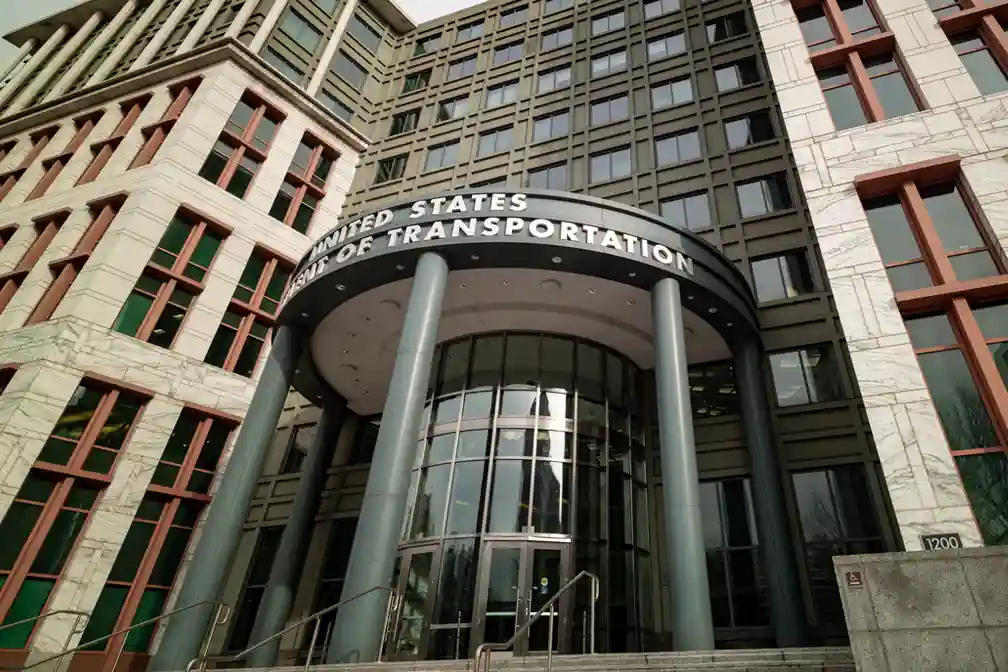
FMCSA Seeks to Continue CDL Clearinghouse Rules
The Federal Motor Carrier Safety Administration is seeking approval to keep collecting data through the FMCSA Clearinghouse. FMCSA wants to renew the federal approval that supports the current system. The FMCSA Clearinghouse tracks drug and alcohol rule violations involving commercial driver’s license holders. It also covers commercial learner’s permit holders.
The system helps show whether a driver may legally perform safety-sensitive work. That includes driving a commercial motor vehicle. FMCSA said the current information collection approval expires on August 31, 2026. The agency plans to send a renewal request to the Office of Management and Budget.
Current FMCSA Clearinghouse Rules Would Stay in Place
The FMCSA Clearinghouse began collecting driver violation records in January 2020. It stores records tied to positive drug tests. The system also tracks certain alcohol violations, test refusals, and other violations of federal drug and alcohol rules.
Key steps in the return-to-duty process are also recorded. Motor carriers use the FMCSA Clearinghouse to check current drivers and job applicants. These checks help carriers learn whether a driver is barred from safety-sensitive work.
The renewal would let FMCSA keep collecting required reports, driver consents, query records, and return-to-duty data. Nothing in the notice changes which drugs are covered by federal testing rules.
It also does not change test methods, alcohol limits, or return-to-duty steps. The notice does not create new fines or penalties. This is mainly a paperwork action. FMCSA must renew its approval so the current system can keep running.
Drivers Can Be Barred From Driving Duties
A driver may enter prohibited status after a positive test, a test refusal, or another covered violation. Someone in prohibited status may not perform safety-sensitive work. That means the driver may not legally operate a commercial motor vehicle until the required return-to-duty steps are complete.
FMCSA said the Clearinghouse is meant to stop drivers from hiding open violations. Before the system began, a driver could move to another carrier or another state. A new employer might not know about a past violation.
The FMCSA Clearinghouse is designed to close that gap. A violation record stays linked to the driver. It follows the person when changing jobs, seeking new work, or applying for a CDL in another state.
This can have a direct effect on drivers who want to change carriers. A motor carrier must check the FMCSA Clearinghouse before placing a new driver in a covered job.
Drivers must also give electronic consent for a full pre-employment query. Without that consent, the carrier cannot complete the required check. That may delay or stop the hiring process.
Motor Carriers Must Keep Running Queries
Employers must check the FMCSA Clearinghouse before hiring a driver for a safety-sensitive job. They must also check each current driver at least once every year.
A carrier may use a consortium or third-party administrator to handle some of these tasks. However, the carrier still has the duty to meet federal rules.
The notice also reviews several employer reporting duties. Employers must report certain alcohol test results. They must also report some drug and alcohol test refusals.
In some cases, an employer must report a violation based on actual knowledge. Employers must also report a negative return-to-duty test. They must report when a follow-up testing plan has been completed.
Most covered employer reports are due by the close of the third business day. The clock starts after the employer gets the required information.
Large fleets may have staff members who handle these duties. Small carriers and owner-operators may use outside firms. Even so, they must make sure the work is done on time.
MROs and SAPs Must Report Information
Medical review officers (MROs) also have duties under the FMCSA Clearinghouse rules. MROs must report verified positive drug-test results.
They must also report verified adulterated or substituted test results. Some drug-test refusals must be entered as well. These records must be reported no later than two business days after the MRO makes or verifies the finding.
Substance abuse professionals (SAPs) have a different role. SAPs work with drivers during the return-to-duty process. They must report the date of the driver’s first assessment.
SAPs must also report the date when the driver completes the required return-to-duty steps. This information is generally due by the close of the next business day.
These time limits are not new. Still, the notice gives carriers and drivers a useful review of how fast records must be sent.
The system depends on many people entering correct data on time. A late or wrong report may affect a driver’s work status.
FMCSA Clearinghouse Data Can Support Enforcement
The FMCSA Clearinghouse is not only a hiring tool. FMCSA and state agencies also use the data for enforcement.
The system helps officials check whether carriers are meeting their hiring and reporting duties. It can also help officers find drivers who are operating while still in prohibited status.
FMCSA said drivers may be placed out of service if they are found driving before they finish the return-to-duty process. State enforcement staff may receive a driver’s work status through other government systems.
Those systems include Query Central, the Commercial Driver’s License Information System, and the National Law Enforcement Telecommunications System. This means a driver’s FMCSA Clearinghouse status may matter outside the carrier’s office.
It may also come into play during licensing or enforcement checks. FMCSA may share a driver’s drug and alcohol violation records with the National Transportation Safety Board.
That may happen when the NTSB is looking into a crash tied to that driver. Drivers may view their own FMCSA Clearinghouse records. They may not view the records of other drivers.
Earlier Comments Sought Wider SAP Access
FMCSA received 88 comments during an earlier part of the renewal process. Seventy-one of those comments were filed by the June 1, 2026, deadline.
Many comments did not focus on paperwork time or cost. Instead, they asked FMCSA to change parts of the main Clearinghouse rules.
Some commenters said SAPs should have access to a driver’s full record and past violations. Others said SAPs should have to upload copies of follow-up testing plans.
FMCSA also received ideas about checking SAP credentials through the FMCSA Clearinghouse. None of those ideas are being adopted in this notice.
FMCSA said such changes would need a separate proposed rule. That process would give the public another chance to comment before any rule could change.
The current notice only deals with the approval to keep collecting information. It does not expand SAP access. It does not add a new upload rule. The notice also does not create a new SAP check.
FMCSA Seeks Comments on the Burden
FMCSA is asking the public to comment on the current information collection. The agency wants to know whether the collection is still needed.
It also wants feedback on whether the time estimate is correct. Comments may suggest ways to make the data clearer or more useful.
They may also offer ideas to cut paperwork without harming the quality of the records. The comment period lasts for 30 days after the notice’s August 4, 2026, publication date.
For truck drivers and carriers, the main point is simple. FMCSA is not adding new FMCSA Clearinghouse rules through this notice.
The agency is seeking approval to keep the current system in place. That system links drug and alcohol violations with hiring checks, return-to-duty status, enforcement, and commercial driving eligibility.