Vincent ShakirMay 8, 20265 Mins read1.4k
DOT Drug Testing Rule Keeps Observed Urine Tests in Place
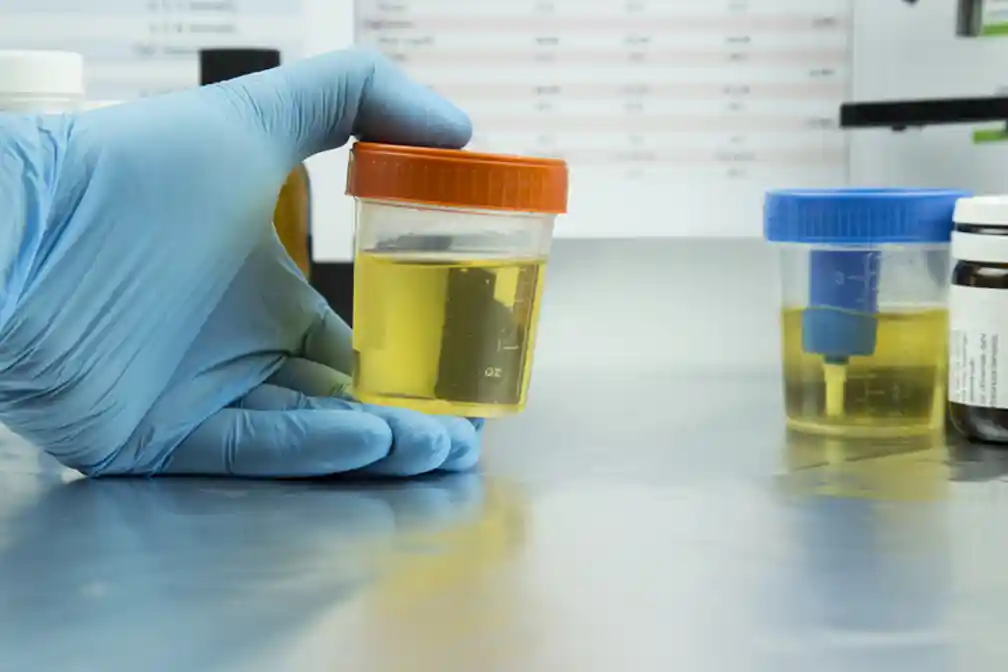
The U.S. Department of Transportation (DOT) is keeping directly observed urine testing in place for certain required drug tests because the federal oral fluid drug testing system is still not ready for use.
The final rule does not create a new broad testing program for commercial truck drivers. Instead, it clarifies what employers must do when DOT drug testing rules call for an oral fluid test, but that test cannot be performed because certified oral fluid testing labs are not yet available.
The rule is part of DOT’s drug and alcohol testing procedures under 49 CFR Part 40. These procedures apply across DOT-regulated transportation industries, including commercial trucking. The final rule is scheduled to be published in the Federal Register on May 11, 2026. It becomes effective 30 days after publication.
DOT Drug Testing Approved Oral Fluid Tests in 2023
DOT approved oral fluid drug testing in a May 2023 final rule. That rule allowed employers to use oral fluid testing as another method for testing safety-sensitive transportation workers.
For truck drivers and motor carriers, oral fluid testing was seen as a major shift. It gave employers another option besides urine testing. However, it was not meant to replace urine testing in most cases.
Instead, DOT allowed employers to choose between urine and oral fluid testing in many testing situations.
However, DOT also created a few limited cases where oral fluid testing would be required. These include some situations where a directly observed urine collection cannot move forward because a same-sex observer is not available.
Oral fluid testing is always observed because the sample is collected from the employee’s mouth in front of the collector. That made it a possible solution for some direct observation issues.
Certified Labs Are Still Not Available
The key problem is that oral fluid testing cannot fully begin under DOT rules until there are at least two laboratories certified by the U.S. Department of Health and Human Services.
DOT states in the final rule that, as of publication, there are still no HHS-certified oral fluid laboratories available for DOT oral fluid testing.
That means employers cannot yet comply with parts of the 2023 rule that require oral fluid testing in certain cases. DOT described this as a real-world problem in the rules. The rule calls for a test method that is not yet available.
To avoid that gap, DOT is keeping the old process in place for now. When oral fluid testing is required but cannot be done, employers must continue using directly observed urine collections.
What DOT Drug Testing Means for Truck Drivers
For commercial truck drivers, the most important point is that directly observed urine testing can still be required in certain situations.
This rule is not about every random drug test. It does not mean every driver will face observed testing. Direct observation is used only in certain cases under DOT drug testing rules.
These situations can include return-to-duty testing, follow-up testing, or cases where a prior specimen result creates a need for direct observation. DOT rules may also require direct observation when there are concerns about the validity of a urine specimen.
If a truck driver is sent for one of these tests, oral fluid testing may not be available yet. In that case, a directly observed urine collection may still be used.
This matters because drivers may have heard that DOT approved oral fluid testing and may assume it is now available across the industry. The final rule makes clear that the system is not fully ready. Until certified labs and collection-site resources are in place, urine testing remains the fallback in these limited cases.
Why Motor Carriers Should Pay Attention
Motor carriers, safety departments, and compliance officers may be more directly affected by the rule than most drivers.
DOT is adding language that tells collectors to check whether the employer has a standing order for how to handle certain testing situations. If there is no standing order, the collector must contact the employer’s Designated Employer Representative, often called the DER.
That matters because testing decisions may need to be made quickly. If a collection site cannot provide a same-sex observer, the DER may need to decide whether to send the driver to another site or use oral fluid testing once it becomes available.
For now, if oral fluid testing is not available and a same-sex observer is not present, the DER must arrange for a same-sex observer or send the employee to another acceptable collection site for a directly observed urine collection.
This makes written company instructions more important. Fleets may need to make sure their DERs, third-party administrators, and collection sites know what the company wants done in these situations.
DOT Drug Testing Rule Includes an 18-Month Grace Period
DOT also added an 18-month grace period for employers once oral fluid testing becomes available.
The clock will not start until HHS announces that a second oral fluid drug testing laboratory has been certified. DOT says its Office of Drug and Alcohol Policy and Compliance will publish a Federal Register notice to tell employers and collectors when that 18-month period begins and ends.
During that grace period, employers may continue using directly observed urine testing while they prepare for oral fluid testing. However, if an employer is ready to conduct oral fluid testing during the grace period, the employer must do so in the situations covered by the rule.
For trucking companies, the grace period gives time to update policies, work with testing vendors, check collection-site capabilities, and train staff on the new process.
DOT Drug Testing Rule Should Not Add Major Costs
DOT says it does not expect the rule to create significant new costs. The agency said directly observed urine testing was already used before the 2023 oral fluid rule.
DOT also noted that oral fluid testing has not yet been available for DOT-regulated employers because the required certified labs do not exist yet. Because of that, DOT does not expect companies to face major new testing costs from this rule.
However, motor carriers may still need to review their internal procedures. Small fleets may need to make sure their drug and alcohol testing policies match the new rule. They may also need to make sure their DERs know what to do when a collection issue comes up.
Rule Also Updates Testing Terminology
The final rule also changes some wording in DOT’s testing procedures. DOT is replacing the word “gender” with “sex” in sections dealing with direct observation rules and Medical Review Officer procedures.
Under the direct observation rules, DOT states that the observer must be the same sex as the employee. DOT also says a person of the opposite sex must never be allowed to act as the observer.
While that wording change is part of the final rule, the more practical trucking impact is the continued use of directly observed urine testing while oral fluid testing remains unavailable.
Main Takeaways for Truck Drivers
The final rule shows that DOT’s move toward oral fluid drug testing is still in transition.
For truck drivers, the rule means oral fluid testing may not yet be available even though DOT approved it in 2023. In certain required testing situations, directly observed urine testing can still be used.
For motor carriers, the rule is a reminder to review drug testing procedures, standing orders, DER duties, and collection-site arrangements. Once certified oral fluid laboratories are available, companies will have 18 months to prepare for the required shift in certain cases.
For now, DOT is keeping the testing process moving by making clear that the lack of oral fluid testing availability does not stop required drug testing from taking place.