Driver Distraction: NHTSA Takes a Look at Voice Control Technology
NHTSA plans research on voice controls and driver distraction, examining reaction time, mental workload, and risks tied to in-vehicle technology.
 Vincent ShakirJuly 22, 20264 Mins read341

NHTSA Research Tests Latest Voice Controls for First Time
The National Highway Traffic Safety Administration (NHTSA) plans to study whether modern voice-command systems reduce driver distraction or create a different type of safety risk.
The proposed research would compare voice controls with touchscreen controls during simulated driving tasks. NHTSA wants to measure how each method affects driver attention, mental workload, lane control, speed, reaction time, and crash avoidance.
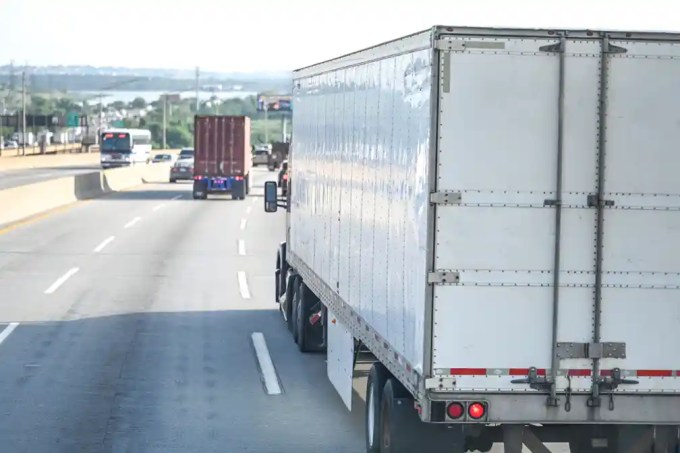
Commercial trucks and professional drivers are not specifically included in the research. However, the findings could still affect how fleets, safety departments, and technology companies view voice-operated systems used for navigation, communication, and other in-cab tasks.
NHTSA Seeks Approval for Driver Distraction Study
NHTSA is seeking approval from the Office of Management and Budget to collect information from study participants.
The agency plans to recruit 1,330 potential participants. Researchers expect to finish with 144 usable study results, divided among six voice-command systems. Each system group would include 24 participants.
The research is expected to include Apple CarPlay, Android Auto, Google Built-In, and three systems developed by vehicle manufacturers. Four passenger vehicles would be installed and tested in a driving simulator.
Participants would be between ages 18 and 70 and would come from Torrance, California, and nearby areas. They must already be familiar with the vehicle and voice-command system they are assigned to use.
Voice Controls Will Be Compared With Touchscreens
Participants would complete common in-vehicle tasks using both voice commands and visual-manual controls.
The planned tasks may include entering a navigation destination, adding a stop along a route, sending a message, or using another feature available through the vehicle interface.
Researchers would train each participant before the test drives. Participants would need to complete each task successfully three times before the study begins. NHTSA said this is intended to ensure that the results reflect drivers who understand how to use the systems.
The study would include three tasks completed through voice commands and the same three tasks completed through a touchscreen. A separate voice-only task would also be included.
Driver Distraction Study Will Measure More Than Screen Time
The research will examine several types of driver distraction.
NHTSA plans to track lane position, vehicle speed, eye movements, glance duration, heart-rate changes, and pupil diameter. Researchers would also use a secondary response task to measure mental workload.
The agency plans to study glances lasting more than two seconds. Longer glances away from the road are treated as a key sign of visual distraction in NHTSA’s research methods.
However, the study will also look at cognitive distraction. A driver may keep both hands on the wheel and continue looking forward while still focusing heavily on a voice system.
That issue may be important for truck drivers who use voice-operated navigation, hands-free calling, dispatch tools, or message systems during a shift.
A voice-controlled system may reduce the need to touch a screen. It may still require added mental effort if the driver must repeat a command, correct an error, or listen to several menu options.
Drivers Will Face a Simulated Road Hazard
The final portion of the test would include a safety-critical event.
NHTSA plans to use a road obstruction that is initially hidden and then suddenly appears. The driver would need to react while completing either a voice-command task or a touchscreen task.
Researchers would measure reaction time and time to collision. They would also examine braking and other driving behavior.
The same task and road hazard would be used for all participants. Some would complete the task by voice, while others would use the visual-manual interface.
NHTSA said the road hazard would take place during the final drive. This is intended to prevent the event from changing how participants behave during earlier tests.
Commercial Trucks Are Not Included
The planned study does not include Class 8 trucks, working commercial drivers, fleet dispatch systems, electronic logging devices, or trucking-specific technology.
That limits how closely the results may match real trucking conditions.
The simulator will use passenger vehicles. The test environment will also exclude normal road noise, engine noise, passengers, and other background sounds.
NHTSA described the controlled setting as a way to test each system under near-optimal conditions.
Those conditions may not reflect the inside of a working tractor. Commercial truck drivers may deal with diesel engine noise, tire noise, wind, air systems, radio traffic, dispatch alerts, and changing cab conditions.
Voice recognition may work differently in those environments. A system that performs well inside a quiet simulator may not respond the same way inside a moving truck.
Voice-System Errors Could Add to Driver Distraction
Several organizations commenting on the study raised concerns about voice-command failures.
A system may misunderstand a driver, choose the wrong function, or fail to complete a command. The driver may then need to repeat the request or use a screen instead.
NHTSA said researchers would document errors and recovery attempts during training. The agency also plans to include information from an earlier research phase involving people who were new to the systems.
Still, the main study will use participants who already know the voice interface. They will also receive task training before testing.
That approach may reduce the number of errors recorded during the study. It may also make the results less representative of drivers using an unfamiliar vehicle or system.
This could matter in trucking, where company drivers may switch trucks, owner-operators may install new devices, and fleets may update software or communication systems.
Findings Could Influence Future Fleet Policies
The notice does not announce new rules or restrictions.
NHTSA said the research is intended to improve understanding of how voice-command systems affect driver attention and safety. The agency also said the study is not designed to rank specific vehicle brands.
Even so, the results could later influence federal safety guidance, vehicle design, or industry practices.
Fleet safety departments may use future findings when reviewing driver distraction policies. Carriers may also reconsider when drivers should use voice-operated navigation, messaging, or communication tools.
Technology companies could face pressure to reduce the number of steps required to complete a task or improve how systems handle failed commands.
Study Results Are Still Ahead
NHTSA must receive approval before collecting participant information and starting the study.
The agency expects the research to involve eight study drives, plus a simulator familiarization drive. The final sample would include 144 valid datasets.
Until the research is completed, the notice does not show that voice commands are safer or more distracting than touchscreen controls.
For the trucking industry, the key issue will be whether future findings apply to professional drivers working in larger vehicles and noisier environments.
The study may help answer whether hands-free technology lowers driver distraction. It may also show that keeping a driver’s hands on the wheel does not always remove the mental demands created by in-cab technology.