Vincent ShakirJune 13, 20252 Mins read978

Trump Signs Laws Blocking California Emissions Rules
New Laws Cancel California Emissions Programs
On June 12, 2025, President Donald Trump signed three joint resolutions into law. These resolutions cancel Environmental Protection Agency (EPA) waivers that allowed California to set its own emissions standards.
The resolutions are named H.J. Res. 87, 88, and 89. They were passed by Congress through the Congressional Review Act. This law gives Congress the power to overturn recent federal agency decisions. These resolutions stop California’s Advanced Clean Cars II, Advanced Clean Trucks, and Omnibus Low NOX programs from going forward.
California Emissions Waivers Overturned by Congress
The EPA had approved waivers that gave California permission to set stricter vehicle emissions rules. These rules were stronger than federal standards. But the new laws state that those waivers go too far and are no longer allowed.
Under the Clean Air Act, California may ask for special permission if the state faces a local air quality problem that is both “compelling and extraordinary.” The new resolutions say that the EPA’s waivers were used to address national issues, not local ones.
They say the state used the waivers to try to regulate greenhouse gas emissions, electric vehicle sales, and fuel economy nationwide. These are not considered localized issues under federal law.
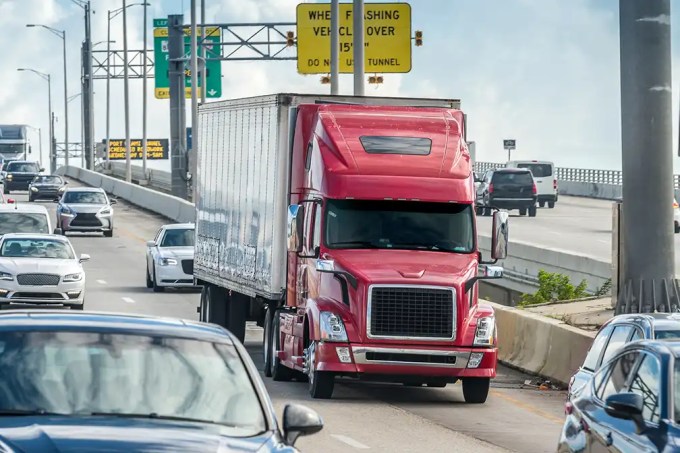
California Emissions Rules Would Have Affected Trucking
California’s programs included rules for reducing pollution from both cars and heavy-duty trucks. They also aimed to increase the number of electric vehicles sold in the state.
The Advanced Clean Trucks rule would have required truck manufacturers to sell more zero-emission trucks starting in model year 2024. The Omnibus Low NOX regulation would have created stricter emission standards for diesel engines in trucks.
Now that the waivers are blocked, truck manufacturers and fleets will follow one federal standard. Supporters say this helps avoid a confusing mix of state-level rules. Trucking companies often drive through many states. Having just one national rule is easier for them to follow.
Future California Emissions Waivers Now Limited
The new laws go further than just canceling current waivers. They also block the EPA from approving similar waivers in the future.
Under the Congressional Review Act, agencies cannot reissue rules that are “substantially the same” as those already overturned. This means the EPA cannot approve waivers that would again allow California to set rules for greenhouse gas or NOX emissions across the country.
It also blocks future attempts to create electric vehicle mandates through California emissions rules.
Federal Government Asserts Power Over Emissions Policy
This decision highlights a major disagreement over who controls emissions standards. California has long created its own stricter rules. Over time, these rules have influenced the policies of other states and even the nation as a whole.
The Trump administration says this should not be allowed. It argues that the federal government—not individual states—should set emissions policy. That’s because vehicle emissions and air pollution affect the entire country.
As the official White House statement explained, “Our Constitution does not allow one State special status to create standards that limit consumer choice and impose an electric vehicle mandate upon the entire Nation.”
Legal Challenges to Follow
The legal debate is not over. California officials have filed a lawsuit to challenge the new laws in court. In the past, efforts to block California’s authority under the Clean Air Act have led to long legal fights.
Right now, the three laws signed on June 12 prevent California’s emissions rules from going into effect. They also make it harder for similar rules to be approved in the future.
But court decisions, future elections, or new federal legislation could change the direction again. For now, California emissions waivers are blocked, and one national emissions standard remains in place.