Share

Biometric Privacy Challenge: What Happened to Old Dominion Freight

Old Dominion settles a biometric privacy lawsuit in Illinois, addressing claims of violations involving fingerprint data collection and BIPA compliance.

Share

Old Dominion settles a biometric privacy lawsuit in Illinois, addressing claims of violations involving fingerprint data collection and BIPA compliance.

Old Dominion Settles Biometric Privacy Lawsuit

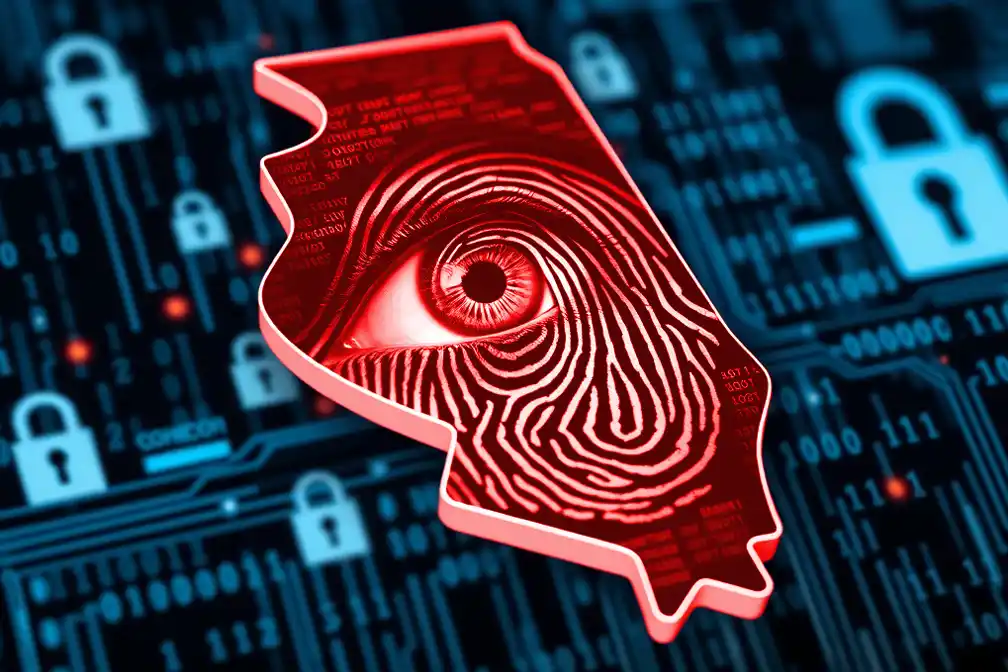
Old Dominion Freight Line has settled a lawsuit over its use of biometric time clocks. The case was filed in Illinois and accused the company of breaking the state’s Biometric Information Privacy Act (BIPA). This law protects people’s biometric privacy, information such as fingerprints, from being misused.

Biometric Privacy Claims Against Old Dominion

The lawsuit said Old Dominion violated several rules of BIPA. Employees claimed the company:

  • Did not ask for written consent before collecting fingerprint data.
  • Failed to explain how long the data would be kept or why it was being used.
  • Did not have a public policy explaining how the data would eventually be deleted.

Old Dominion used fingerprint time clocks to track when employees started and ended their shifts. Employees said the company collected and stored this data without telling them or asking for their permission.

Legal Steps and Case Settlement

Old Dominion tried to have the lawsuit dismissed. In July 2024, a court dismissed one part of the case. This part said the company failed to share its data retention and deletion policies publicly. However, the court allowed the rest of the claims to continue. These claims focused on the lack of written consent and proper notice to employees.

In December 2024, Old Dominion and the employees reached a settlement. Both sides filed a joint notice in federal court to end the case. The details of the settlement have not been made public yet. A future court filing is expected to explain the terms and how much employees may receive.

Other Biometric Privacy Cases in the Transportation Industry

Old Dominion is not the only company facing lawsuits over biometric privacy. Similar cases have involved other transportation companies:

  • BNSF Railway Company: Settled a lawsuit for $75 million in June 2024. This case involved truck drivers and claims about improper biometric practices.
  • Union Pacific Railroad: Is still dealing with a lawsuit over how it handles biometric data.
  • CSX Intermodal Terminals: Settled a lawsuit in 2020 that raised similar issues.

Why BIPA Matters

Illinois has some of the toughest rules in the country for biometric privacy. Companies that break these rules can be fined up to $5,000 for each violation. This has made Illinois a hotspot for lawsuits about biometric data.

In February 2023, the Illinois Supreme Court ruled that each scan of biometric data is a separate violation. This made it possible for companies to face even bigger fines. Later, in August 2024, a new law limited the amount people could recover in these cases. Now, plaintiffs can only receive one payment for multiple violations by the same company. This change helped reduce the financial risk for businesses.

Biometric Privacy Lessons for Employers

The Old Dominion case shows how important it is for companies to follow privacy laws. Biometric time clocks and other systems can save time and improve efficiency. However, they also come with legal responsibilities. Companies must:

  • Get written permission before collecting biometric data.
  • Explain how and why the data will be used.
  • Create a public policy about how long the data will be kept and when it will be destroyed.

Failing to meet these rules can lead to expensive lawsuits and damage to a company’s reputation.

A Warning for Employers Nationwide

The settlement between Old Dominion and its employees is part of a larger trend. More companies are being held accountable for how they handle biometric data. As the use of this technology grows, so does the need for strict compliance with privacy laws.

Employers in Illinois and across the country should see this case as a warning. Protecting employee privacy is not just a legal requirement—it’s also a way to build trust and avoid costly legal battles.

Related Articles

Truck Insurance: New Bill Could Raise Minimums to $5M

A proposed bill would raise truck insurance minimums to $5M and tie...

New Love’s Location Opens in Alabama on I-22

Love’s Travel Stop opens in Alabama, adding 123 truck parking spaces, fuel...

Florida CMV Inspections Results: +170 Drivers Out of Service

Florida CMV inspections top 3,300 during “Operation Highway Shield,” placing 176 drivers...

Mexico Truckers Now End Strike After Clashes

Mexico truckers ended a nationwide strike after clashes with authorities, suspending highway...

Discover more from Truck Driver News

Subscribe now to keep reading and get access to the full archive.

Continue reading