California’s New Law on Autonomous Vehicles: What AB 1777 Means for Trucking
On September 27, 2024, California passed Assembly Bill 1777 into law. This new law is about making autonomous vehicles safer on public roads. It will take effect on July 1, 2026.
What AB 1777 Requires of Autonomous Vehicles
AB 1777 adds new safety rules for autonomous vehicles (AVs), especially those that don’t have a human driver inside. Here are some of the key rules:
Emergency Hotline: AV makers must have a 24/7 phone line for emergencies. A person with knowledge of the vehicles must answer calls quickly and be able to stop or control the vehicle remotely.
Two-Way Communication: Each vehicle must have a device that allows police and emergency responders to speak with a remote operator if needed.
Geofencing Alerts: In emergencies, police can send messages to AV makers, ordering vehicles to avoid certain areas. The vehicles must follow these orders within two minutes.
Violation Notices: If a driverless vehicle breaks a law, police can issue a notice of noncompliance. AV manufacturers must report these notices to the DMV within 72 hours.
Additionally, the law requires AV companies to train police and firefighters on how to stop or move these vehicles during emergencies.
What the New Law Means for the Trucking Industry
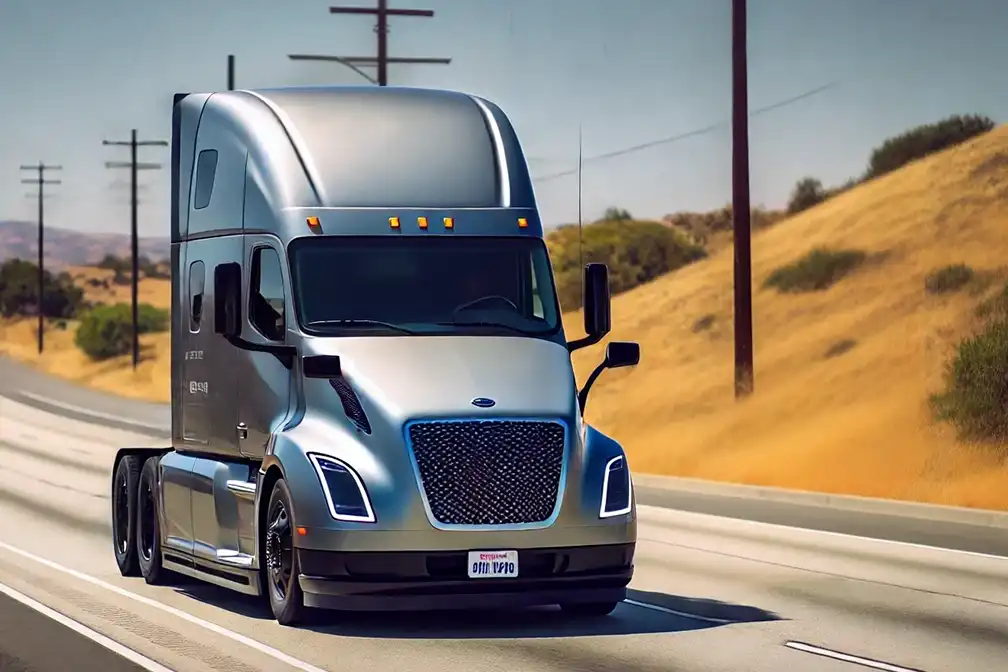
While this law mainly targets smaller vehicles, it has some important points for trucks too. Large trucks over 10,001 pounds are not fully covered under these new rules. However, the DMV will likely create specific rules for autonomous trucks. These rules will help make sure that big trucks and emergency responders work together safely.
The trucking industry is already exploring AV technology as a way to reduce driver shortages and cut costs. However, following new safety rules could add challenges. Even though AV trucks might operate without drivers in the future, human involvement is still essential for now.
How Truck Drivers Might Be Affected
Some truck drivers worry that autonomous trucks could replace their jobs. But the new law shows that fully driverless trucks won’t become common anytime soon. For now, human drivers are still needed, especially on long trips where unexpected situations can occur.
Autonomous technology could also open new job opportunities for drivers. Some might transition to monitoring these trucks remotely or managing the technology. There could also be more jobs related to maintaining these high-tech vehicles.
The Future of Autonomous Vehicles
AB 1777 is an important step toward regulating autonomous vehicles in California. The goal is to balance safety with new technology. The trucking industry will need to follow these developments closely, especially as the state creates more rules for heavy-duty trucks.
Although autonomous trucks are advancing, drivers will continue to play a key role in the industry. The future of trucking will likely be a mix of technology and traditional driving, with both working side by side.
RELATED: A New Autonomous Freight Route Approved for U.S.-Mexico, Acting Administrator of the FMCSA Quickly, Quietly Resigns, American Truckers New Era: The Truth About Tariffs
 Vincent ShakirOctober 23, 20242 Mins read1.9k