

 dayileyvasFebruary 16, 20262 Mins read23
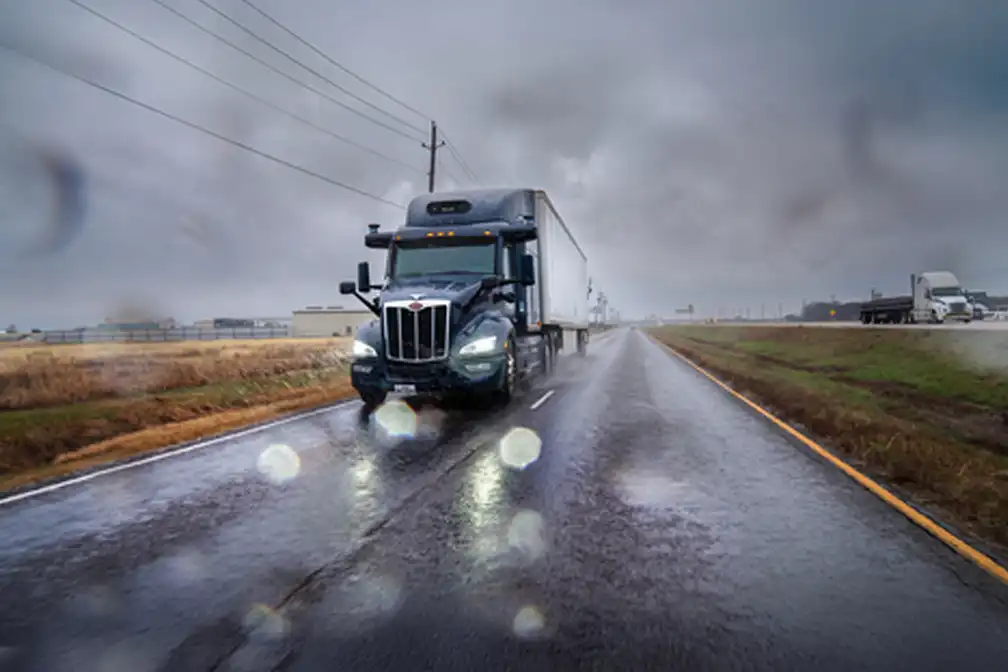
Aurora Expands Driverless Routes, Adds 1,000-Mile Lane
Driverless Truck Routes Across the Southern U.S.
Aurora says it has expanded its driverless trucking network to 10 commercial freight routes. Also, it plans to grow operations across the southern United States. The company announced the expansion after releasing its fourth major software update since launching driverless service in 2025.
The company first began running fully driverless trucks between Dallas and Houston in April 2025. Since then, it has added several additional freight corridors connecting Texas and Arizona hubs.
Aurora Expands Across Key Freight Corridors
According to the company, Aurora has validated driverless operations on routes linking:
- Dallas and Houston
- Fort Worth and El Paso
- El Paso and Phoenix
- Fort Worth and Phoenix
- Dallas and Laredo
These corridors connect major distribution centers and cross-border freight hubs. They also serve heavy long-haul truck traffic.
Aurora states that its updated software allows faster route validation and deployment across similar highway environments.
Aurora Launches 1,000-Mile Driverless Lane
One notable addition is a nearly 1,000-mile driverless route between Fort Worth, Texas, and Phoenix, Arizona.
Under federal HOS rules, human drivers are limited to 11 hours of driving within a 14-hour duty window before taking required rest. Due to these limitations, a 1,000-mile trip cannot typically be completed in a single shift by a solo driver.
Aurora says its autonomous trucks are not subject to federal HOS restrictions because there is no human driver behind the wheel. As a result, the company states that its system can operate continuously across that corridor.
For truck drivers, this highlights a key operational difference between human-operated trucks and autonomous vehicles. However, autonomous service remains limited to specific lanes, and human drivers continue to move the majority of freight nationwide.
Software and Route Mapping
The latest expansion follows Aurora’s fourth major software release. The company says its system now uses automated mapping and cloud-based tools to speed up route preparation.
According to Aurora, a single manually driven trip can now help generate digital route data for future driverless runs. The company states that this reduces the time needed to launch operations on similar corridors.
Aurora Plans Fleet Growth in 2026
Aurora also said it plans to expand its driverless fleet in 2026. The company expects to deploy more cost-efficient truck platforms. Also, grow its fleet to more than 200 autonomous trucks by the end of the year.
The expansion is expected to continue across the Sun Belt region, where weather patterns and long freight corridors may support driverless operations.
Autonomous trucks must still comply with federal safety standards and state inspection rules. Regulatory oversight remains in place as operations expand.
What Aurora’s Growth Means for Truck Drivers
The continued growth of Aurora’s driverless routes may affect certain long-haul corridors in Texas and Arizona.
Potential impacts include:
- More autonomous trucks are operating on major interstates
- Changes in how some long-distance freight is scheduled
- Ongoing discussion about hours-of-service differences
- Continued regulatory review of driverless operations
At this stage, autonomous trucks operate on limited lanes and under commercial agreements. Human drivers still handle most freight movements across the country.
Bottom Line on Aurora’s Expansion
Aurora’s expansion to 10 routes, including a 1,000-mile corridor, reflects the continued development of driverless freight tech in the southern U.S.
For truck drivers, the immediate rules around licensing, inspections, and HOS remain unchanged. However, the addition of longer autonomous lanes highlights how some freight operations may evolve over time.
As Aurora grows its network, the trucking industry will continue to watch how driverless systems operate alongside human drivers on shared highways.


