Vincent ShakirNovember 6, 20253 Mins read1.2k
Economists: Immigration Policies Could Drastically Change Trucking and Supply Chains
New immigration rules from the federal government could change the trucking industry in major ways. A recent analysis prepared for J.B. Hunt looks at what might happen if these policies move forward. The report warns that both truck drivers and supply chains could struggle if many drivers lose their legal right to work.
Immigrant Truck Drivers Play a Major Role
According to the report, immigrants make up a large part of the U.S. workforce. They also make up a big share of truck drivers. Many immigrants choose trucking because the job is always needed and pays better than other entry-level positions. Some drivers may not have legal documents, and these policies target that group. Because of this, the trucking workforce could shrink if the rules are fully enforced.
Policies That Could Affect Truck Drivers
The analysis highlights three main areas where enforcement could change who can legally drive a commercial truck:
English Language Testing
Truck drivers must show that they can read and understand English. They need to be able to read road signs and speak clearly during safety checks. If they fail the test, they could lose their CDLs. A large number of truck drivers may struggle with this rule at first. That could quickly reduce the number of drivers who can work.
Immigration Status Checks on the Road
Roadside inspections could include more checks of immigration papers. If a truck driver is found to be undocumented, they could be taken off the road. If every undocumented driver is identified, many could be removed from trucking in a short period of time.
Temporary Work Status Concerns
Some truck drivers are allowed to work for a limited time under temporary documents. If the government slows or stops renewals, these workers could lose the ability to stay in the industry. That could add even more pressure to trucking companies.
Many Truck Drivers Could Be at Risk
The analysis suggests that as many as 16% of all truck drivers in the U.S. could lose their jobs if the rules are fully enforced. The report says that would mean 614,000 drivers would suddenly be unable to drive. A drop that large would make moving goods much harder. It could also mean long delays for companies trying to hire new drivers to fill empty seats.
Hiring New Truck Drivers Could Take Longer
Trucking companies already work hard to hire and train new truck drivers. With more rules and checks added to the process, it may take longer to approve new hires. Licensing offices and driving schools might need more time to review paperwork and testing. Truck drivers may need additional documents or training before they can begin driving. Fleets could be forced to search harder for qualified workers in a smaller labor pool.
Effects on Truck Driver Safety
The report explains that safety could improve if the rules remove truck drivers who cannot read signs or follow instructions clearly. But there could also be risks. Some truck drivers might try to avoid attention from enforcement officers. They could be pushed into unsafe work conditions. Companies that ignore the rules may also encourage dangerous driving to keep freight moving.
Market Conditions Could Shape the Impact
The effect on truck drivers may depend on the health of the economy. A slowdown could lower freight demand. That could help soften the impact of losing drivers because fewer loads would need to move. The report warns that if the economy recovers as rules expand, the industry could become short on drivers.
If drivers are in short supply, trucking capacity will become tight. Tight capacity usually leads to higher shipping prices. The report says customers could pay more for transportation if demand stays strong and the number of available truck drivers falls.
Some Areas Could Feel the Pressure More
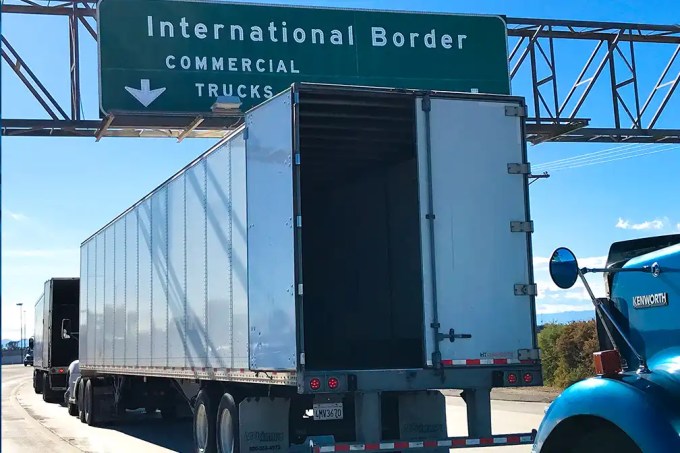
Not every trucking company will feel the impact in the same way. Smaller fleets often hire more immigrant truck drivers. These fleets could lose a high share of their workers. Ports and border regions could face even stronger effects. That could lead to shipping delays in areas that play a key role in freight movement.
Industries that rely on fast delivery—like fresh foods, farm products, and construction materials—may face the most trouble. Those supply chains do not have time to wait.
Long-Term Changes for Truck Drivers and Freight
The report suggests that the market may shift in several ways:
- More companies could depend on dedicated transportation for guaranteed trucks.
- Intermodal freight could gain share if customers look for alternatives.
- New technology, including automated trucks, might gain attention.
- Business leaders could face more uncertainty when planning freight needs.
Many Outcomes Are Still Unknown
Enforcement of these rules could move fast. Or it could take years. Court decisions could delay or change what is allowed. Some truck drivers could leave the industry because they fear enforcement. Other drivers could improve their English skills and return after passing future tests. Much is still unclear.
One point remains very clear in the report: truck drivers who are immigrants play a huge role in keeping freight moving. If fewer immigrant drivers are able to work, the trucking industry and the U.S. economy could face real challenges. The next few years will show how much these policy changes will alter the future of truck drivers, freight capacity, and supply chain stability.