Vincent ShakirMay 12, 20253 Mins read752
US-China Trade Deal May Bring Supply Chain Relief for Trucking Industry
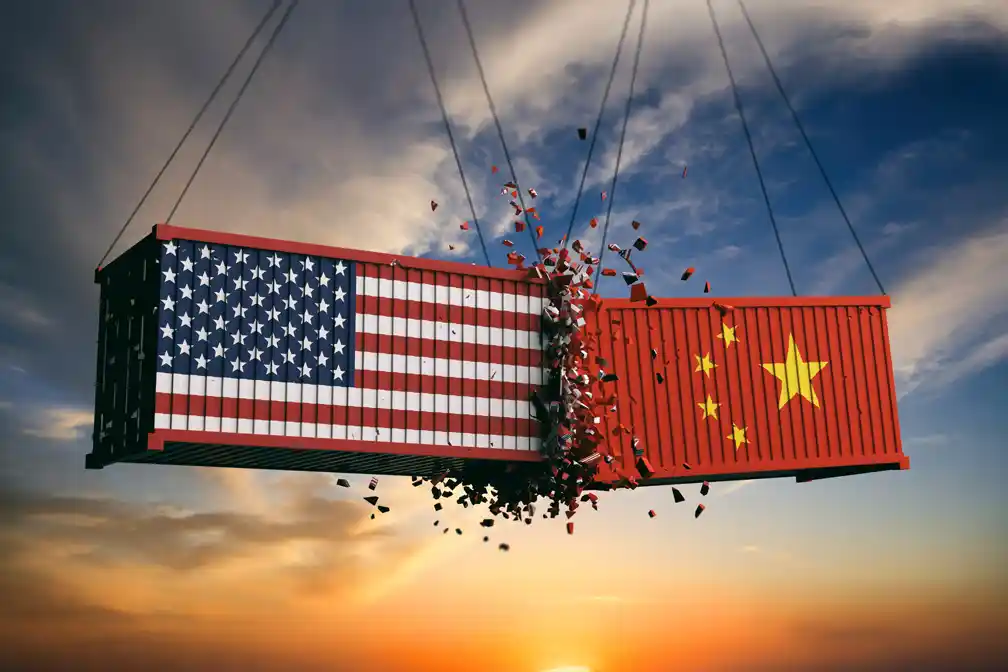
A newly-reached US-China trade deal is expected to ease pressure on freight movement and benefit parts of the American trucking industry. The deal was announced after high-level meetings in Geneva and includes tariff reductions and a plan for ongoing discussions between both nations.
While not permanent, the agreement marks a step toward reducing trade tension and stabilizing import and export flows. Trucking companies, especially those near ports or involved in cross-border shipments, may see some short-term gains.
Key Points of the US-China Trade Deal
Both countries agreed to suspend 24 percentage points of recently imposed tariffs. This suspension will last for an initial period of 90 days, starting no later than May 14, 2025.
The tariffs being paused were originally introduced in April 2025. In the U.S., these include Executive Orders 14257, 14259, and 14266. In China, the changes affect Announcements Nos. 4, 5, and 6 from its Customs Tariff Commission.
Each side will keep a 10% baseline tariff in place. While this does not fully remove trade barriers, it marks a significant reduction from the 34% tariffs that had been recently imposed.
The United States will continue to enforce other tariffs already in place. These include tariffs under Section 301 (which targets unfair trade practices), Section 232 (national security), and duties related to the “fentanyl crisis”.
China has also agreed to suspend non-tariff countermeasures it put in place since early April. This includes things like customs delays, added inspections, and other restrictions on U.S. goods.
How This Affects the Trucking Industry
This 90-day tariff pause could lead to an increase in shipments. Importers may try to move goods quickly while the lower tariff rates are active. This could mean more port traffic and inland freight.
Trucking companies near major ports like Los Angeles, Long Beach, Savannah, and New York/New Jersey may benefit. Drayage carriers and long-haul operators could see more demand for their services.
Exporters may also ship more products now that China is lifting its own retaliatory tariffs. This could help truckers moving goods to ports in the Midwest, Gulf Coast, and Pacific Northwest.
The 10% baseline tariff may still affect the price of goods. It may also impact demand in some sectors, especially for lower-margin products. But overall, the trade deal could help stabilize market conditions for now.
US-China Trade Talks to Continue Under New Framework
The deal also establishes a formal channel for ongoing trade talks between the U.S. and China. These talks will involve top officials from both sides.
China will be represented by He Lifeng, Vice Premier of the State Council. The United States will be represented by Scott Bessent, Secretary of the Treasury, and Jamieson Greer, U.S. Trade Representative.
Meetings could take place in China, the U.S., or another country. Working-level consultations will also continue between both governments.
For the trucking industry, this is important. Future agreements could lead to more permanent tariff changes. They could also result in clearer rules for cross-border shipments and customs enforcement.
Broader Context of the US-China Trade Relationship
The U.S. had a $295.4 billion goods trade deficit with China in 2024. That’s the largest deficit the U.S. has with any single country.
The current administration says this agreement is part of a broader strategy to reduce that gap. The goal is to protect American jobs and support domestic industries.
This deal also follows a similar agreement between the U.S. and the United Kingdom. Together, the two deals reflect a more active approach to trade under the Trump administration.
The agreement also includes plans to reduce the illegal flow of fentanyl and its chemical ingredients from China to North America. While this part of the deal doesn’t directly affect truckers, it could impact customs operations at major ports and border crossings.
Looking Ahead: What Truckers Should Watch
The 90-day pause gives the trucking industry a short-term opportunity. Freight volume may increase during this period. Rates could stabilize in lanes affected by trade flows.
But there is still uncertainty ahead. If the talks between the U.S. and China break down, tariffs could return. That would likely disrupt shipping again.
For now, logistics providers, dispatchers, and truck drivers should stay flexible. This deal creates a chance to recover from recent volatility, but only if the agreement holds.
Carriers involved in containerized freight, import-export operations, and cross-border logistics are likely to feel the impact first. Others may see benefits ripple out as supply chains adjust to the new trade terms.