dayileyvasSeptember 18, 20263 Mins read73
Teton Pass Certification Requirement Expected This Fall
The Wyoming Department of Transportation is developing a new safety certification program for certain drivers traveling over Teton Pass.
The program, called WY22 SAFE PASS, is expected to launch as early as October 2026. Once implemented, it will affect drivers operating vehicles over 10,000 pounds, recreational vehicles and vehicles towing trailers on Wyoming State Highway 22.
Drivers covered by the requirement will need to complete an online self-certification program before using Teton Pass.
WYDOT says the program is intended to improve driver education and awareness of the challenges associated with mountain driving.
Teton Pass Program Covers Vehicles Over 10,000 Pounds
The new requirement will apply to vehicles with a gross vehicle weight or gross vehicle weight rating above 10,000 pounds.
It will also apply to recreational vehicles and vehicles towing trailers.
Once WY22 SAFE PASS launches, drivers in those categories will be restricted from using Teton Pass unless they have completed the certification process.
That makes the program particularly relevant for commercial drivers operating vehicles that fall within the weight requirements.
However, the requirement is not limited to commercial motor vehicles. RV drivers and motorists towing trailers will also have to complete the program.
WYDOT is currently developing the application, educational materials and policies for SAFE PASS. The agency hopes to have the program available by October.
Drivers Will Complete Certification Online
The certification process will be completed online.
Applicants will provide basic information and review required safety materials. Those materials are expected to include documents, maps, videos or a combination of those resources.
Topics will include:
- Navigating steep mountain grades
- Brake fade procedures
- Weight and load limitations
- Vehicle operation
- Current legal restrictions
- Alternate routes around Teton Pass
After completing the process, drivers will receive a certification letter.
The certification will remain valid for one year. Drivers will then be able to apply again when it expires.
WYDOT describes SAFE PASS as a self-certification process rather than a replacement for other legal requirements.
WYDOT Director Darin Westby said the program is intended to have drivers consider whether their equipment and driving abilities are appropriate for navigating the pass.
Existing Teton Pass Weight Limit Will Remain
Completing SAFE PASS will not allow vehicles to bypass existing restrictions on Teton Pass.
WYDOT says all current regulations will remain in effect, including seasonal closures and the existing 60,000-pound weight limit.
The agency’s mountain-driving guidance currently identifies WYO 22/Teton Pass as having a year-round 60,000-pound weight restriction. It also warns drivers about seasonal trailer restrictions.
The highway presents several challenges for larger vehicles.
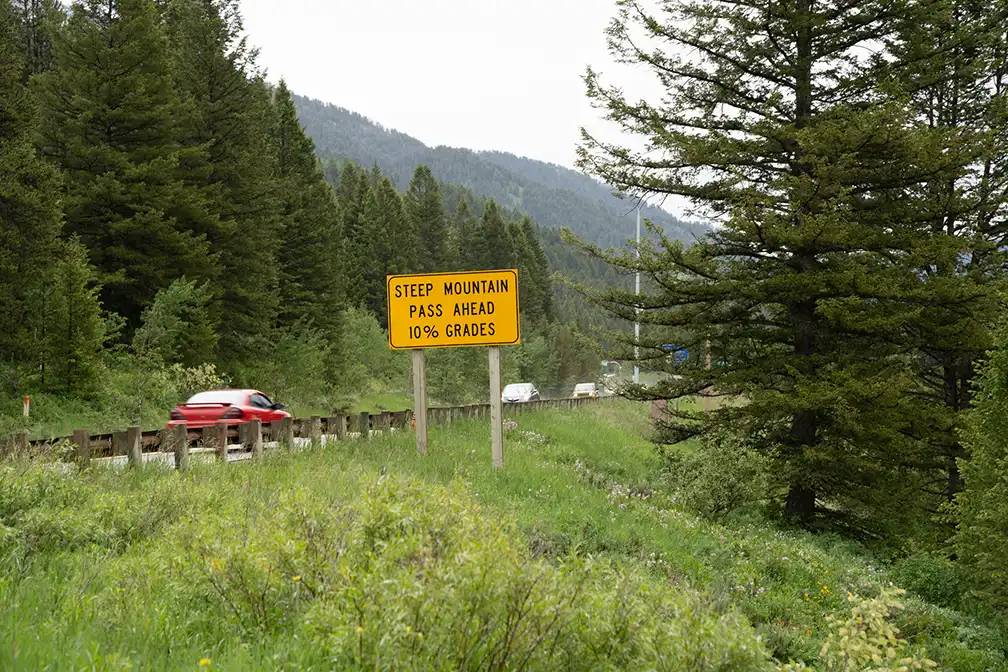
Teton Pass has grades reaching approximately 10%. WYDOT warns that steep grades place greater demands on vehicle braking systems and can increase the risk of brake overheating and failure.
Commercial drivers are advised to use engine braking systems when descending, remain in a low gear and avoid riding the service brakes.
WYDOT also advises drivers to check their brakes before traveling over mountain passes and again before descending steep grades.
New Brake Check and Warning Signs Coming
SAFE PASS is not the only safety change planned for Teton Pass this fall.
WYDOT announced separately that crews will begin installing upgraded roadside signs on WYO 22 starting September 21.
Among the changes will be new “Must Stop Brake Check” signs at the summit.
“No Parking” signs will also be installed near the gravel escape ramp and vehicle arrestor system.
Other signs warning about sharp curves, steep grades and the need to remain in low gear are being revised. Some signs that previously addressed “Truckers” will instead say “All Vehicles.”
WYDOT said there are approximately 50 signs between the state line and Wilson providing information about steep grades and low-gear use. The agency is reviewing those signs and their placement.
Additional map-style signs are also being developed. Those signs are expected to show roadway grades, restrictions and an alternate route through Swan Valley.
WYDOT intends to place them at locations including the scale house, state line and summit turnout.
Brake Safety Is a Major Focus on Teton Pass
Much of WYDOT’s safety guidance for the route focuses on preventing brake problems while descending steep grades.
The agency identifies several potential signs of overheated brakes, including a burning smell, smoke, squealing, a soft brake pedal and reduced stopping power.
Drivers experiencing brake problems can use designated runaway vehicle infrastructure when necessary.
Teton Pass includes a vehicle arrestor system designed to stop vehicles that have lost braking capability. WYDOT says the system can be used by commercial and non-commercial vehicles.
The department also recommends that drivers carefully review their routes before traveling through mountainous areas. A route suggested by GPS may not always be appropriate for the size, weight or capabilities of a particular vehicle.
SAFE PASS Could Begin in October
WYDOT has not announced an exact launch date for the new certification requirement.
The department said on September 10 that it was still developing the application, educational materials and policies, with a goal of rolling out WY22 SAFE PASS by October 2026.
Until the program officially launches, the new certification restriction is not yet in effect.
Once implemented, however, drivers operating vehicles over 10,000 pounds, RVs or vehicles towing trailers will need to complete SAFE PASS before traveling over Teton Pass.
Existing weight restrictions, seasonal closures and other traffic laws will continue to apply regardless of a driver’s SAFE PASS certification.