Vincent ShakirJune 30, 20265 Mins read354
Arkansas Highway Police to Increase Secure-Load Enforcement in July
Arkansas Highway Police will increase enforcement in July. The effort is part of a new statewide campaign to reduce litter and road debris on Arkansas highways.
The Arkansas Department of Transportation announced the campaign on June 29, 2026. The effort includes ARDOT, Arkansas Highway Police, and the Keep Arkansas Beautiful Office.
For commercial truck drivers and fleets, the main issue is load securement. Arkansas officials said the campaign will focus on state laws that require waste, garbage, and other materials to be secured during transport.
The announcement does not create a new law. Instead, it signals stronger enforcement of existing state rules.
Arkansas Plans July Secure-Load Enforcement Push
ARDOT said the campaign is aimed at reducing litter along state highways. The agency said litter hurts the look of the state. It also creates safety risks for drivers and cleanup crews.
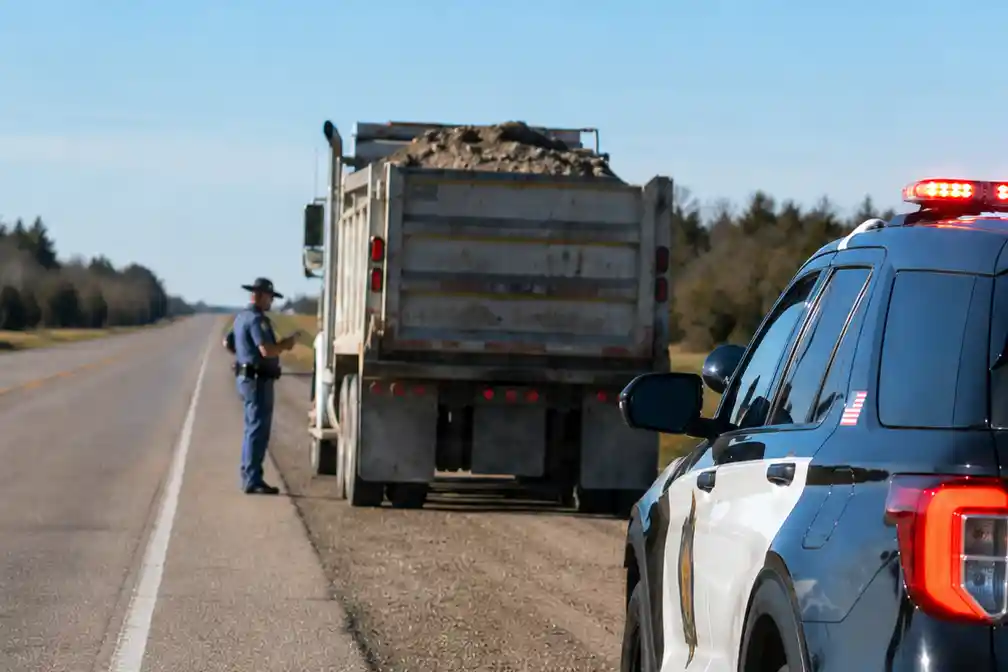
As part of the campaign, Arkansas Highway Police will increase enforcement for vehicles that transport waste materials. Officers will focus on whether those loads are secured well enough to keep debris from escaping onto the road.
This makes the campaign important for some commercial drivers who run in Arkansas. It may be most important for drivers who haul loose, open-top, or waste-related loads.
The state said the goal is not to raise money through fines. Instead, the goal is to improve compliance with Arkansas litter laws. State officials said the effort is also meant to encourage better behavior that helps reduce highway litter.
Waste Haulers and Loose-Load Trucks in Focus
The announcement points to vehicles that transport waste as a major source of highway litter.
That means the campaign may be especially important for drivers and companies that operate waste trucks, dump trucks, roll-off trucks, construction trucks, debris-hauling vehicles, open-top trailers, and trucks carrying garbage or loose materials.
The release does not say enforcement will apply only to commercial vehicles. However, many of the vehicles most likely to be affected are used in trucking, waste transport, construction, and local hauling.
Drivers moving through Arkansas with waste, garbage, or other materials that could fall or blow from a vehicle may face more attention from enforcement once the campaign begins.
What Arkansas Law Requires
According to ARDOT, Arkansas law bans littering on public property. The law also requires vehicles transporting waste, garbage, or other materials to secure their loads.
The purpose is to keep debris from escaping onto roadways.
In simple terms, drivers and carriers are expected to make sure materials do not fall, blow, leak, or spill from a vehicle while it is moving.
For truck drivers, that can mean more than checking the main load. It may also mean checking tarps, covers, tailgates, container doors, and loose debris on the trailer. Drivers may also need to check for any material that could escape during the trip.
This is especially important for trucks hauling loose or open materials. A load may look stable at the pickup site. However, it can still shift or shed debris once the truck reaches highway speed.
Why Truck Drivers in Arkansas Should Pay Attention
For drivers, this campaign could mean a greater chance of being stopped. It could also mean a greater chance of being cited if a load is not properly secured.
The release says violations may lead to misdemeanor charges, fines, community service, and responsibility for removing litter or debris caused by the violation.
That makes the issue more than a cleanup matter. For truck drivers, an unsecured load could lead to legal trouble. It could also lead to lost time on the roadside and possible cleanup responsibility.
Company drivers may face questions from their carrier if a load leaves debris on the highway. Owner-operators may face a more direct cost. A citation, delay, or cleanup issue can affect both the driver and the business.
The campaign may also affect dispatch and loading practices. A shipper, customer, landfill, construction site, or jobsite loader may place material in a way that is hard to secure. But the driver may still be the one dealing with enforcement on the road.
Because of that, drivers may need to take a closer look before leaving a pickup location.
What Arkansas Fleets and Safety Departments May Need to Review
Motor carriers and fleets that operate in Arkansas may need to review their secure-load steps before July.
That is especially true for companies that haul waste, garbage, construction material, or other loose freight.
Safety departments may want to remind drivers to inspect their equipment before leaving a yard, landfill, transfer station, quarry, construction site, or customer location.
Fleet managers may also need to check covers, tarps, doors, seals, and tailgates. These parts should be in good working order before a truck enters the road.
The campaign could also affect smaller trucking businesses and contractors that use local trucks for short hauls. Even a short trip can create enforcement risk if material escapes onto a public road.
Road Debris Costs Arkansas Millions
ARDOT said litter has become a costly problem on Arkansas highways.
According to the department, it spent about $9.7 million last year collecting and disposing of litter from Arkansas highways.
That cost is one reason state agencies are putting more focus on prevention. ARDOT said reducing litter can help keep roads safer, cleaner, and more attractive.
For the trucking industry, the safety issue is important. Road debris can create hazards for other vehicles. That includes passenger cars, motorcycles, and commercial trucks.
Loose material can also put cleanup crews at risk. These crews often have to work near traffic while removing debris from the roadside.
What Truck Drivers Should Check Before Rolling
The Arkansas announcement does not include a driver checklist. Still, the enforcement focus points to several areas drivers may want to check before entering the highway.
Drivers hauling waste or loose material may need to make sure loads are covered or contained when required. Tailgates, container doors, tarps, and covers should be checked before leaving.
Drivers may also need to look for loose debris on bumpers, trailer frames, steps, rails, or the top edges of containers. Loose material left on the outside of a truck or trailer can become road debris once the vehicle reaches highway speed.
Load height may also matter. Material piled above the sides of a container or trailer may be more likely to spill or blow out during transport.
The key question for drivers is simple. Is the load secure enough to keep material from escaping onto the road?
Enforcement Push Carries Trucking Compliance Message
The Arkansas campaign is being presented as a litter-reduction effort. But it also sends a clear compliance message to the trucking industry.
Beginning in July, Arkansas Highway Police will increase enforcement tied to the secure transport of waste materials. That makes the campaign most important for drivers and carriers hauling waste, garbage, construction debris, and loose materials.
For most long-haul dry van and refrigerated drivers, the direct impact may be limited. For dump truck operators, waste haulers, construction fleets, and local trucking businesses, the campaign may be more important.
The main point is clear. Arkansas is putting more attention on unsecured loads that create highway litter and debris. Drivers and fleets moving those materials through the state may want to make sure loads are properly secured before hitting the road.