Vincent ShakirNovember 17, 20264 Mins read86
Saia Seeks New Way for CDL Trainees to Drive Double Trailers
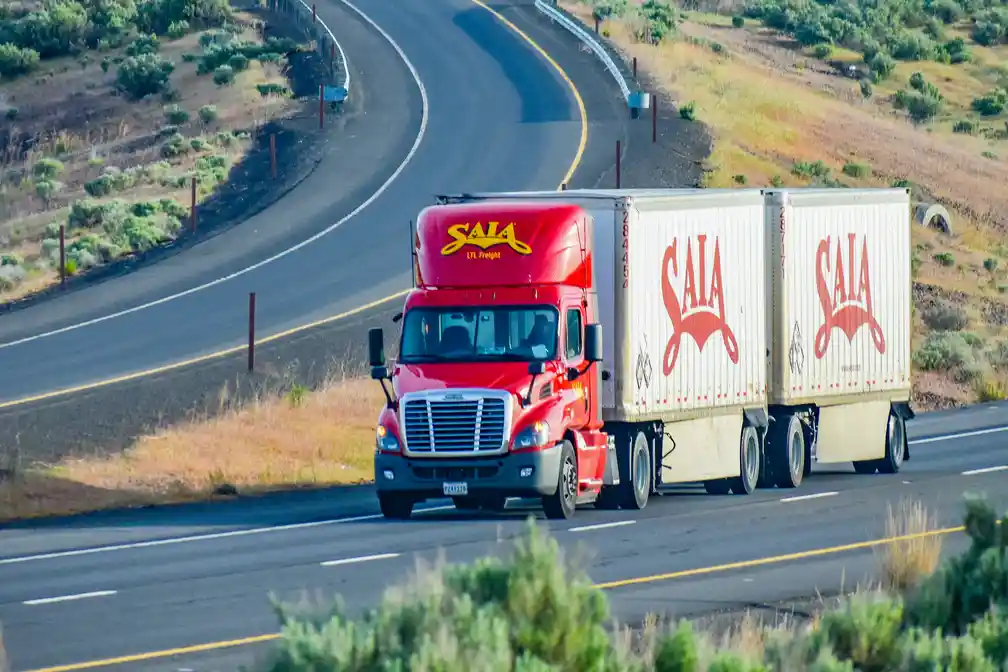
Saia LTL Freight is asking the Federal Motor Carrier Safety Administration (FMCSA) to approve a change in how some new truck drivers learn to operate double trailers. If approved, the plan would let certain CDL trainees drive doubles on public roads before earning their full commercial driver’s license and doubles/triples endorsement.
Saia is seeking a five-year exemption for drivers in its training program. The company says the change would help trainees gain road experience while working with a qualified instructor.
The request would cover about 300 trainees each year. However, FMCSA has not approved the exemption, and the current CDL rules remain in place.
The agency is seeking public comments before making a decision.
Why CDL Trainees Cannot Currently Drive Doubles
Federal rules require truck drivers to hold the correct license and endorsements for the vehicles they operate.
Drivers who pull double or triple trailers must have a doubles/triples endorsement, also called a T endorsement. To earn it, a driver must pass a written knowledge test.
However, states cannot issue this endorsement to commercial learner’s permit (CLP) holders. A driver must first obtain a full CDL before receiving the endorsement.
The T endorsement requires a knowledge test but not a separate driving skills test.
These rules limit when new drivers can gain experience with double trailers on public roads.
Saia wants an exemption that would allow eligible trainees to begin supervised doubles training before completing the normal licensing process.
The proposal would not remove the need for trainees to earn their CDL and required endorsements before working as fully qualified doubles drivers.
How Saia Plans to Train New Doubles Drivers
Saia’s request would cover about 300 trainees each year and use roughly 19 training vehicles. Those vehicles would weigh no more than 80,000 pounds.
Before driving doubles on public roads, each trainee would need to pass a company knowledge test. The test would cover the same subjects as the state doubles/triples endorsement exam.
Trainees would also have to show that they can couple, uncouple, and move double trailers in a closed training yard.
After completing those steps, they could begin road training with an instructor who holds a valid Class A CDL and T endorsement.
Drivers would have to carry proof that they completed the company’s internal training and passed its knowledge test.
Saia says these steps would provide a level of safety equal to or greater than the current federal rules. FMCSA must review that claim before deciding whether to grant the exemption.
Some Saia Training Details Remain Unclear
The Federal Register notice does not state how many hours of doubles training Saia would require.
It also does not identify the public roads where training would take place or clearly state whether trainees would pull loaded or empty trailers.
The notice refers to a separate application in the federal docket. These details could not be confirmed from the available notice and supporting information.
FMCSA may also set specific safety conditions if it approves the request.
FMCSA Previously Approved Similar Training for UPS
Saia is not the first major trucking company to seek this type of exemption.
In September 2022, FMCSA approved a similar request from United Parcel Service (UPS). That decision allowed certain UPS trainees to operate double trailers under direct supervision before earning their full CDL and T endorsement.
The UPS exemption included several training rules.
Each trainee had to complete at least 80 hours of training, including classroom lessons, field training, and road instruction. Trainees also had to pass a company knowledge test with a score of at least 80%.
Practical doubles training began with empty vehicles in a closed yard before moving onto public roads.
The UPS exemption took effect on September 28, 2022, and is scheduled to run through September 28, 2027.
Saia is now seeking similar relief from federal licensing rules. However, the training requirements for its program may not be the same as those approved for UPS.
The earlier decision shows that FMCSA has allowed this type of supervised doubles training under certain conditions. It does not mean Saia’s request will receive approval.
What Saia’s Request Could Mean for Truck Drivers
If approved, the exemption could give some new drivers a chance to gain experience with double trailers earlier in their training.
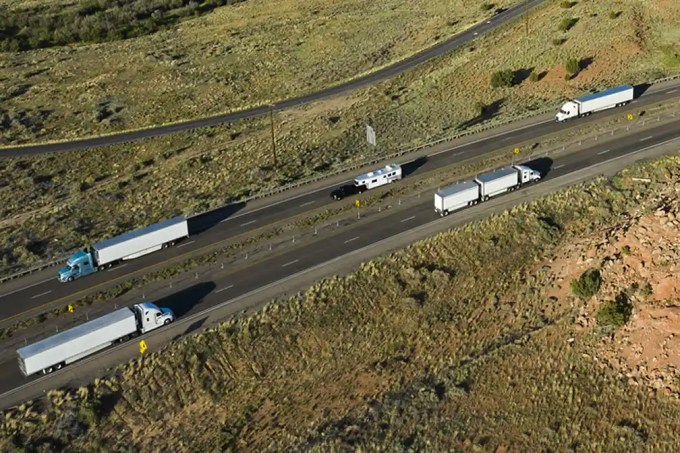
That experience could help trainees prepare for work involving doubles. These trailers are commonly used in less-than-truckload (LTL) freight operations.
However, driving doubles requires skills that differ from pulling a single trailer. Drivers must manage an extra trailer connection and account for how both trailers move through turns and other road conditions.
Experienced drivers could also play a larger role in the training process. Under Saia’s plan, each trainee operating doubles on public roads would need direct supervision from a qualified instructor.
The proposal may help Saia prepare more drivers for its freight operations. The company says it wants to improve its training process and increase its supply of qualified drivers.
Still, the notice provides no figures showing how much training time or money the company expects to save. It also does not say whether the change would affect driver pay, hiring standards, or job openings.
For now, the request applies only to Saia. Drivers training at other companies would not gain permission to operate doubles under this proposed exemption.
CDL Training and Highway Safety Remain Key Issues
FMCSA must decide whether Saia’s proposed program would provide safety equal to or greater than the existing rules.
The agency will review the application, safety information, and public comments before making its decision.
The review may raise questions about how trainees are prepared for highway driving. Another issue is how instructors would oversee drivers who have not yet earned their full CDL.
The proposal also would not remove the normal federal entry-level driver training requirements for first-time CDL applicants. Those rules set minimum training standards before eligible applicants can take their CDL skills tests.
Saia’s request concerns when trainees could receive supervised doubles experience. It does not remove the need to meet the licensing standards required for regular commercial driving.
FMCSA Opens Public Comment Period on Saia Request
Saia’s exemption notice is scheduled for publication in the Federal Register on November 18, 2026.
The public comment period is expected to remain open through December 18, 2026, based on the notice’s 30-day window. The final deadline should be confirmed when the official notice is published.
Comments may be submitted through Regulations.gov using docket number FMCSA-2026-2642.
FMCSA will consider the comments and safety information before granting or denying the request. If approved, the agency must publish its decision and any conditions that apply.
Until then, Saia’s proposal remains under review. The outcome will decide whether the carrier can move supervised doubles training to an earlier stage of its CDL program.