Vincent ShakirSeptember 26, 20252 Mins read1.8k
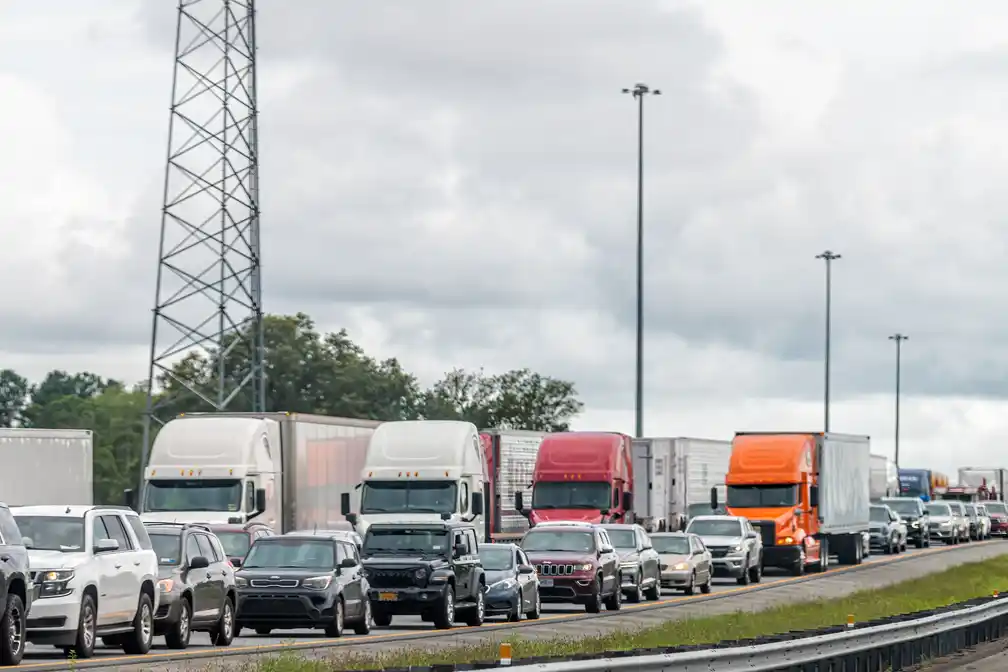
Emergency Federal Rule Restricts Non-Domiciled CDLs
DOT Issues Emergency Rule After Fatal Crashes
The U.S. Department of Transportation (DOT) announced on Friday, September 26, 2025, that it has issued an emergency rule to restrict non-domiciled CDLs. The rule takes effect immediately.
Officials said the change follows a nationwide review by the Federal Motor Carrier Safety Administration (FMCSA). The audit came after several fatal crashes this year involved drivers with non-domiciled CDLs.
Stricter Rules for Non-Domiciled CDLs
Under the new requirements, non-citizens can only receive non-domiciled CDLs if they meet stricter conditions. Applicants must have an employment-based visa. They must also pass a federal immigration check through the SAVE program.
Transportation Secretary Sean P. Duffy said the audit showed serious failures in state licensing. “Licenses to operate a massive, 80,000-pound truck are being issued to dangerous foreign drivers – often times illegally,” Duffy said. “Today’s actions will prevent unsafe foreign drivers from renewing their license and hold states accountable to immediately invalidate improperly issued licenses.”
FMCSA Audit Finds Widespread Problems
The FMCSA audit found major issues in several states. California was identified as the worst offender.
In California, more than 25% of reviewed non-domiciled CDLs were issued incorrectly. Some licenses went to drivers who were not eligible. Others stayed valid long after a driver’s legal presence in the U.S. had expired.
One case involved a driver from Brazil. That driver received a CDL with school bus and passenger endorsements. The license remained valid months after his legal status had ended.
Enforcement Actions Against California
DOT announced direct enforcement measures aimed at California. The state must:
Pause issuing new non-domiciled CDLs.
Identify all unexpired non-domiciled CDLs that do not meet federal standards.
Revoke or reissue those licenses only if they comply with the new rules.
California has 30 days to act. If it does not comply, FMCSA will withhold federal highway funds. Nearly $160 million would be withheld in year one, with the penalty doubling in year two.
Duffy said the state could face steep consequences. “California must get its act together immediately or I will not hesitate to pull millions in funding,” he said.
Fatal Crashes Linked to Non-Domiciled CDLs
FMCSA linked at least five fatal crashes this year to drivers holding non-domiciled CDLs. Officials said these incidents highlight the risk of improper licensing.
In addition to California, similar problems were found in Colorado, Pennsylvania, South Dakota, Texas, and Washington. Each showed licensing patterns that did not match federal rules.
National Effort to Address Safety Issues
The emergency rule is part of a broader effort to improve highway safety. Earlier this year, President Trump signed an executive order directing DOT to take stronger steps.
In June, Secretary Duffy ordered a nationwide audit of non-domiciled CDLs. At the same time, he announced funding to expand truck parking and reduce outdated regulations.
In May, DOT increased enforcement of English-language rules for drivers. Any commercial driver who does not meet the standard can now be placed out of service.
In March, President Trump signed an executive order declaring English the official language of the United States.
Next Steps for States
FMCSA will continue to oversee how states handle non-domiciled CDLs. States that fail to follow the new rules risk losing large amounts of federal highway funding.
Officials said the aim is to make sure only lawful and qualified drivers hold non-domiciled CDLs and operate large trucks on U.S. roads.