Vincent ShakirFebruary 20, 20253 Mins read1.7k
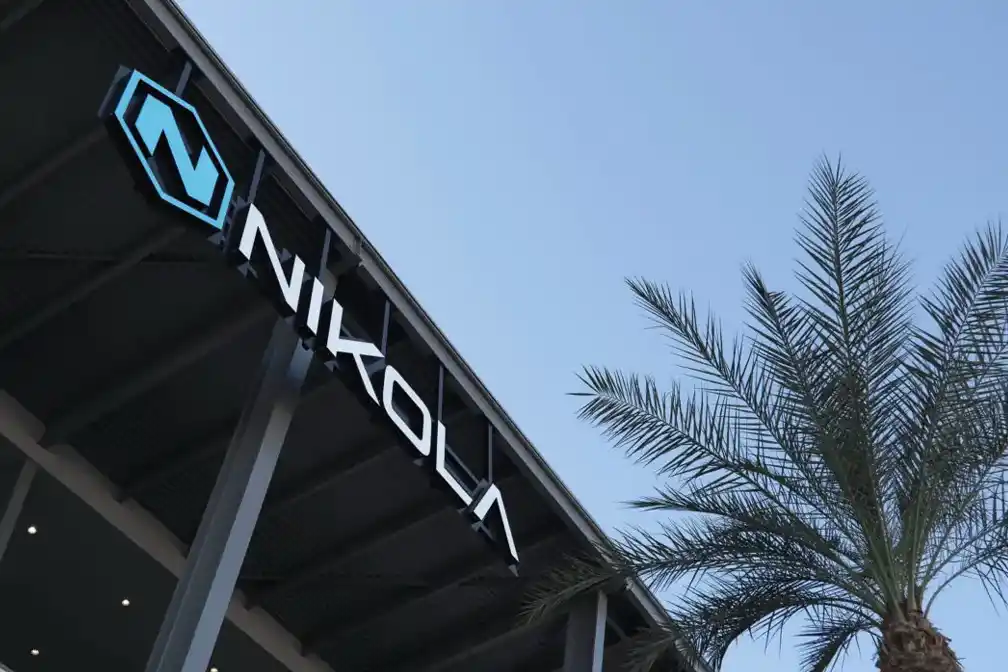
(Photo courtesy of Nikola)
Nikola Bankruptcy: Company Files for Chapter 11 Bankruptcy Amid Financial Struggles
Nikola Corporation has filed for Chapter 11 bankruptcy protection. The Nikola bankruptcy was filed in the U.S. Bankruptcy Court for the District of Delaware. The electric truck manufacturer plans to sell its assets through an auction process.
Nikola cited financial struggles and market challenges as the key reasons behind the bankruptcy. The company has also requested court approval to continue limited operations while searching for buyers.
Nikola Bankruptcy: The Plan
Nikola plans to sell all or most of its assets through a structured process. According to Nikola’s press release, the company has about $47 million in cash to fund limited operations and support the sale process.
During the transition, Nikola aims to continue some truck servicing and HYLA hydrogen fueling operations until the end of March 2025. After that, the company will need outside partners to continue those services.
Steve Girsky, President and CEO of Nikola, addressed the company’s struggles: “Like other companies in the electric vehicle industry, we have faced various market and macroeconomic factors that have impacted our ability to operate. Unfortunately, our very best efforts have not been enough to overcome these significant challenges.”
Nikola has been working with financial and legal advisors to explore all options. After months of effort, the company determined that a structured sale is the best option for maximizing value.
Nikola Bankruptcy: Why?
According to Reuters, Nikola has faced many financial struggles in recent years. The company’s stock price dropped 38% after the bankruptcy announcement. It is now valued at less than $50 million. This is a massive decline from its $27 billion peak in 2020, when it was worth more than Ford Motor Company.
One of Nikola’s biggest challenges was low demand for electric trucks. The company originally focused on battery-powered trucks. Later, it shifted to hydrogen fuel cell trucks. Despite ramping up production in 2024, Nikola lost hundreds of thousands of dollars on each truck it sold.
Fleet operators have been hesitant to invest in electric trucks. High interest rates and rising costs have made large purchases more difficult. Nikola also faced serious safety concerns after a series of truck fires in 2023. The company had to recall all of its vehicles, damaging its reputation.
Legal and Financial Issues
Reuters also reports Nikola’s cash reserves have been shrinking rapidly. At the end of 2023, the company had $464.7 million in cash. By September 2024, that number had dropped to $198.3 million. As of the bankruptcy filing, Nikola had only $47 million left.
The company listed assets between $500 million and $1 billion. However, its liabilities are much higher, estimated at $1 billion to $10 billion.
Nikola also dealt with legal challenges. The company was accused of misleading investors in a 2020 report by short-seller Hindenburg Research. While Nikola denied the claims, its reputation suffered.
The company’s founder and former CEO, Trevor Milton, was convicted of fraud in 2022. In 2023, he was sentenced to four years in prison.
The Nikola Bankruptcy Adds Them to a List of Struggling EV Startups
Nikola is not the only electric vehicle (EV) company facing difficulties. Other EV startups, such as Fisker, Proterra, and Lordstown Motors, have also filed for bankruptcy in recent years.
Even Tesla, the leading EV manufacturer, struggled in 2024. It reported its first drop in annual sales as high borrowing costs hurt demand.
“Just the struggles that they have faced, plus the increasing competition, operational challenges, and high cost for the EV industry as a whole—I think all of that came together,” said Sarah Foss, head of legal at restructuring firm Debtwire. (Reuters)
What Happens Next?
Nikola’s assets will now be available for purchase. The company plans to sell its business through an auction process, pending court approval.
Potential buyers may include both financial and strategic investors. Buyers will be able to purchase Nikola’s assets free of debt and liabilities.
Looking Ahead
The Nikola bankruptcy marks the end of a difficult journey. The company entered the market with high expectations but could not overcome financial and operational challenges.
The struggles of Nikola and other EV startups highlight risks of the electric truck industry. High costs, safety concerns, and slow adoption rates have made it difficult for new companies to survive.