

 Vincent ShakirApril 23, 20252 Mins read643
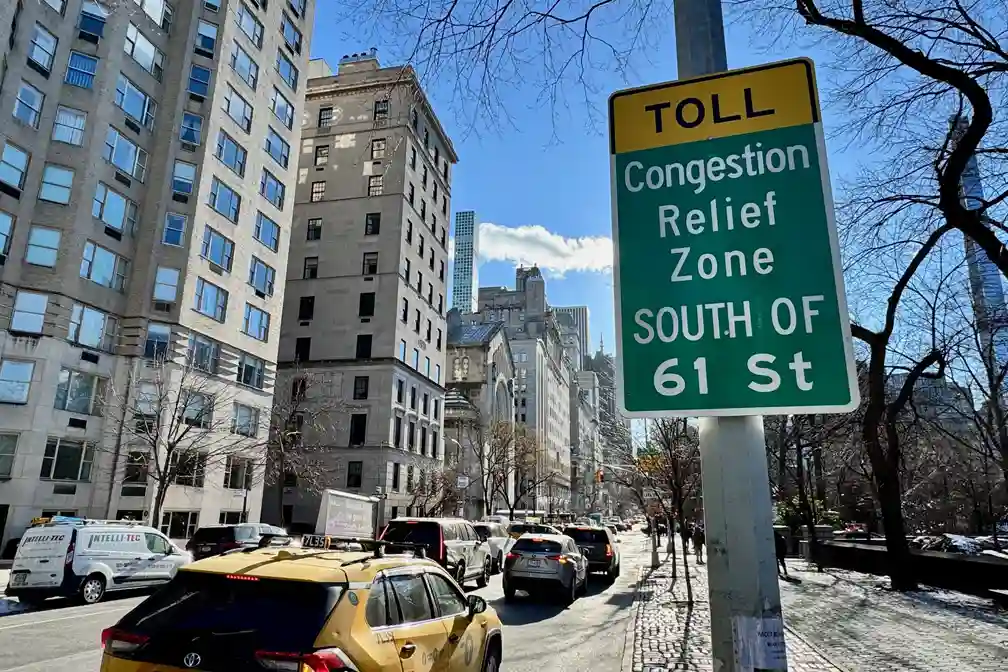
Federal Government Warns New York to Stop Cordon Toll Plan or Risk Losing Funds
New York City Tolls Face Federal Pushback
The U.S. Department of Transportation (USDOT) has issued a strong warning to New York Governor Kathy Hochul. Federal officials say the current plan for New York City tolls may violate federal rules. The warning came in a letter dated April 21, 2025.
Transportation Secretary Sean P. Duffy signed the letter. He stated that the tolling program could lead to a loss of federal funding for transportation projects. The administration has asked New York to stop the tolling program or prove that it complies with federal law.
What the New York City Tolls Program Involves
The plan for New York City tolls charges vehicles that enter certain areas of Manhattan. It is designed to reduce congestion and raise funds for transit upgrades. This approach is known as “cordon pricing.”
The program originally operated under the federal Value Pricing Pilot Program. This program allows states to test new ideas for managing traffic through tolling. However, the USDOT canceled that agreement on February 19th.
Without that agreement in place, federal officials say New York can no longer legally charge tolls on federal-aid highways.
Why the Federal Government Objects
Secretary Duffy outlined several concerns in the letter.
He stated that New York City tolls unfairly impact working-class drivers. These drivers often rely on federal-aid roads, which are usually toll-free, to get to work.
Duffy wrote, “Perpetuating this type of cordon pricing program forever on federal-supported roads is unprecedented in the history of the United States and completely inconsistent with any previous pilot project.”
The letter also raised questions about whether New York completed the required legal and environmental steps for implementing the tolls.
What Could Happen if New York City Tolls Continue
If New York does not stop the tolling plan or respond with legal justification, the federal government could take action. The USDOT listed several possible steps:
- It may halt advance construction approvals for projects in Manhattan, except those related to safety.
- Environmental approvals under the National Environmental Policy Act (NEPA) could be paused.
- Federal officials might reject changes to New York’s transportation improvement programs.
If the state continues to ignore the federal warning, more serious steps may follow:
- The USDOT could stop funding transportation projects within New York City, unless they are related to safety.
- Restrictions could be expanded beyond the city and affect the entire state.
How Funding Cuts Could Impact New York
Losing federal funding would create serious problems for New York’s transportation system. Many projects that focus on repairing roads, reducing congestion, and improving safety rely heavily on federal support.
If the dispute over New York City tolls is not resolved, delays or cancellations of major projects are likely.
Deadline to Cancel New York City Tolls
The federal government has given the state a 30-day deadline. New York must either stop the tolling program or demonstrate that it is legal and properly approved under federal law.
Implications Beyond New York
The outcome of this issue could influence how other U.S. cities approach tolling. Officials across the country may be closely watching the situation in Manhattan.
The federal government’s actions could set a national precedent. Any state that wants to implement tolls on federally supported roads may face similar scrutiny.
New York City tolls are now at the center of a broader national conversation about traffic pricing, federal authority, and the future of urban transportation funding.


