FMCSA Plans Warning Device Study for Safety Triangles for Disabled Trucks
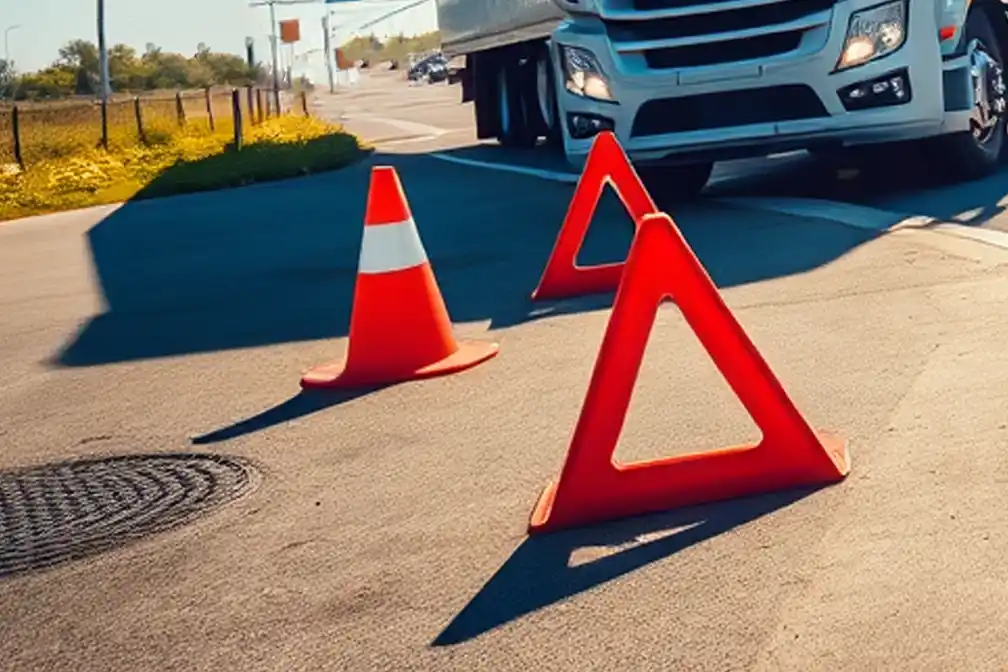
The Federal Motor Carrier Safety Administration (FMCSA) is planning a study on the effectiveness of warning triangles. These types of warning device are often used near parked or disabled commercial motor vehicles (PDCMVs) to prevent crashes. This will be the agency’s first major effort to evaluate these tools using modern research techniques.
Why the Warning Device Study Is Needed
The study will look at whether warning devices make roads safer. It will also determine how they influence driver behavior. The FMCSA stated that recent developments have increased public interest in these devices. For example, new technologies like automated driving systems (ADS) have created challenges for safety regulations. Some of these rules assume a human driver is present to place warning devices.
The agency explained why this research is important. “Public interest in warning device requirements for PDCMVs has increased in recent years for several reasons. For example, advances in automated driving system (ADS) technology have raised critical questions regarding potential barriers to regulatory compliance with warning device safety standards and regulations which reference or require a ‘driver.’”
The FMCSA also noted the rise of new types of warning devices. These devices are designed to improve driver safety while setting them up. The agency said, “These recent issues related to warning device requirements also call attention to the historically unresolved questions of whether the use of such devices improves traffic safety and, if so, how and to what extent.”
Key Reasons for the Warning Device Study
The FMCSA provided several reasons for conducting this study:
Driver Safety: Placing warning triangles on the road can be dangerous. Drivers may face risks, especially on busy highways.
New Technology: Advances in warning systems and devices may offer safer, more effective alternatives.
Better Research Tools: Modern tools like GPS and eye-tracking can provide detailed data on how drivers respond to warning devices.
Autonomous Trucks: Companies like Waymo and Aurora have requested exemptions from triangle placement rules. They argue that autonomous vehicles without drivers cannot comply with these regulations. The FMCSA denied these requests, highlighting the need for updated research.
Study Details
The FMCSA plans to conduct a controlled experiment. The study will involve 256 drivers. Researchers will use advanced tools to gather data. For example, they will use GPS and eye-tracking devices. These tools will measure how drivers react to different types of warning devices.
The experiment will take place at a specialized driving research facility. It will simulate real-world conditions to see how warning devices affect safety. The FMCSA aims to answer questions about whether these devices work and how they impact driver behavior.
Public Input
The FMCSA is asking the public for feedback on this study. People can comment on any part of the proposed research. This includes the study’s design and goals. Public comments will help improve the study and ensure it meets its objectives.
Comments can be submitted through the Federal eRulemaking Portal or by mail. The deadline for submissions is 60 days after the notice is published in the Federal Register on January 8, 2025.
Potential Changes for the Trucking Industry
The study could lead to significant changes in the trucking industry. If new devices are shown to be more effective, they may replace traditional warning triangles. This could improve safety for drivers and other road users.
The research may also lead to changes in FMCSA regulations. Updated rules could better reflect new technologies, including autonomous vehicles.
This study highlights the FMCSA’s focus on safety. It also shows the agency’s effort to adapt to modern challenges. By using advanced research methods, the FMCSA aims to make roads safer for everyone.
The trucking industry will be closely watching the results of this research. These findings could shape future safety practices and regulations.
 Vincent ShakirJanuary 8, 20253 Mins read961