Vincent ShakirJuly 20, 20264 Mins read299

VTNA Recalls 3,794 Volvo Trucks Over Steering Risk
VTNA (Volvo Trucks North America) is recalling 3,794 model-year 2026 trucks and tractors because steering arm fasteners may not have been tightened enough during production.
If the fasteners loosen, the steering arm could move out of place. That may cause the driver to lose steering control and increase the risk of a crash.
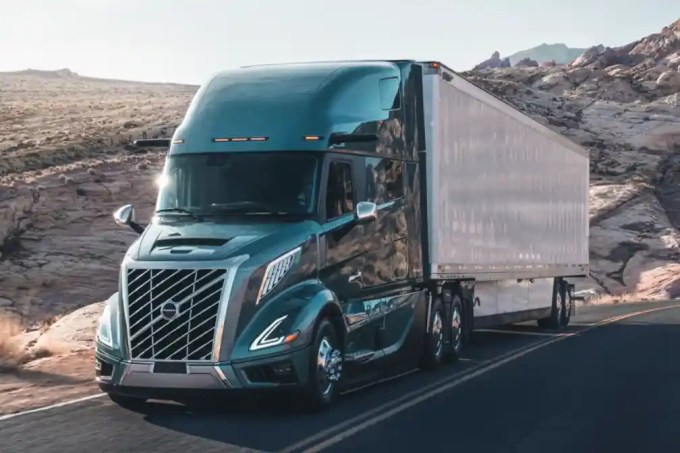
The recall covers certain Volvo VHD, VNL, VNR, VN, and VAH vehicles. Dealers will inspect the steering assembly, tighten the fasteners, and replace damaged parts when needed. All recall repairs will be completed free of charge.
VTNA estimates that about 0.1% of the recalled vehicles may contain the defect. No crashes or injuries had been reported when the recall documents were filed.
VTNA Recall Covers Five Volvo Models
The VTNA recall includes trucks and tractors used in highway, regional, vocational, and auto-hauling operations.
The affected vehicle population includes:
- 2,001 Volvo VNL tractors
- 1,101 Volvo VN tractors
- 533 Volvo VHD trucks
- 148 Volvo VAH tractors
- 11 Volvo VNR tractors
The Volvo VNL is the largest group in the recall. It accounts for more than half of the 3,794 potentially affected vehicles.
Most of the recalled trucks were produced between February 3 and July 24, 2025. However, the exact production range depends on the model.
The affected Volvo VNR vehicles were produced from May 28 through June 19, 2025. Other models were generally built between early February and late July 2025.
Loose Fasteners Could Cause Steering Loss
The defect involves the fasteners that connect the steering arm to the steering knuckle.
According to the VTNA safety recall report, some steering knuckle assemblies may have been built with too little torque on those fasteners. Torque is the amount of force used to tighten a bolt or screw.
A loose fastener could allow the steering arm to shift. In a serious case, the driver could lose control of the truck’s steering.
VTNA reported that the condition may happen without warning. Drivers may not see a dashboard light or receive another clear sign before the problem affects steering control.
That detail makes the recall important for commercial truck drivers and fleet maintenance departments. The defect involves a key steering connection, but the truck may not alert the driver before the part begins to loosen.
VTNA Recall VINs Available Before Letters Arrive
Affected Vehicle Identification Numbers were scheduled to become searchable through NHTSA on July 16, 2026.
That date comes several weeks before VTNA plans to mail owner notification letters. Those letters are expected to begin arriving around September 7, 2026.
The time gap matters for fleets, leasing companies, and owner-operators. They can check VINs before receiving a letter in the mail.
Company drivers may need to confirm the recall status of an assigned truck through a carrier, fleet manager, or maintenance department. The recall letter will usually go to the registered owner rather than the driver operating the vehicle.
VTNA assigned the recall number RVXX2607. NHTSA listed the campaign as 26V444.
Dealers Will Inspect Steering Hardware
Authorized Volvo dealers will inspect the fasteners between the steering arm and steering knuckle.
Technicians will tighten the fasteners to the proper level when needed. Any damaged or nonconforming parts will also be replaced.
The repair will be provided at no cost to the vehicle owner.
Repair times may depend on what the inspection finds. A truck that only needs a torque check may require less work than one with damaged steering parts.
Even a short service visit can affect an owner-operator’s load schedule and income. Fleets may also need to arrange appointments for trucks based at several terminals or working in different regions.
Maintenance departments will likely need to track which VINs are included, when repairs are scheduled, and when each truck completes the official recall process.
VTNA Investigation Began in July 2025
The recall followed almost one year of investigation.
VTNA received its first field report about a possible loss of steering on July 17, 2025. A product safety investigation began the following day.
More field reports and warranty claims arrived during 2025. The trucks involved had been built in February, March, April, May, June, and July of that year.
A supplier added a secondary manual torque check in August 2025. Workers also began inspecting torque seal markings on the fasteners.
In September, a supplier review could not reproduce the under-tightened fastener problem. Operator error was considered as a possible cause, but the report did not confirm it as the final explanation.
An electronic error-proofing system was added in November 2025. The system was designed to stop an assembly from moving forward unless the correct torque values had been recorded.
However, VTNA began another investigation in February 2026. That review involved loose fasteners on assemblies that reportedly had acceptable torque records.
The supplier later added another manual torque check and improved the equipment used during assembly.
On July 2, 2026, the company’s Product Safety Committee decided that a safety defect existed and that a recall was needed.
Five Field Reports and Six Warranty Claims
VTNA reported five field reports and six warranty claims connected to the steering problem.
Those reports and claims involved seven unique VINs. That means some vehicles were linked to more than one report or claim.
No accidents or injuries had been reported at the time of filing.
The recall does not mean every one of the 3,794 vehicles has loose steering hardware. VTNA estimates that about 0.1% of the recall population may contain the defect.
Still, the possible result is serious. A steering failure involving a heavy commercial truck puts the driver and nearby motorists at risk.
How the VTNA Recall May Affect Truck Drivers
Drivers operating model-year 2026 Volvo trucks may not know whether their assigned vehicle is included until the VIN is checked.
The issue is most relevant for fleets using the newer Volvo VNL. That model makes up the largest part of the recall population.
Pre-trip inspections remain important, but the recall documents do not indicate that a normal walkaround can confirm whether the fasteners have the proper torque. The problem may not be visible before the parts begin to loosen.
Fleet safety and maintenance teams may need to review equipment records instead of waiting for a driver to notice symptoms. Leased trucks could also require coordination between the carrier, leasing company, and Volvo dealer.
The recall documents do not clearly direct every owner to stop driving an affected truck. Operating decisions should follow guidance from VTNA, NHTSA, and the servicing dealer for each VIN.
For truck drivers and fleets, the concern is limited but serious. A small number of newer Volvo trucks may contain a steering assembly defect that can develop without warning. Early VIN checks and timely dealer inspections can help carriers address the problem before owner letters arrive.