dayileyvasApril 3, 20262 Mins read74
California Expands Truck Screening with New Technology
Commercial Vehicle Technology Targets Freight Corridors
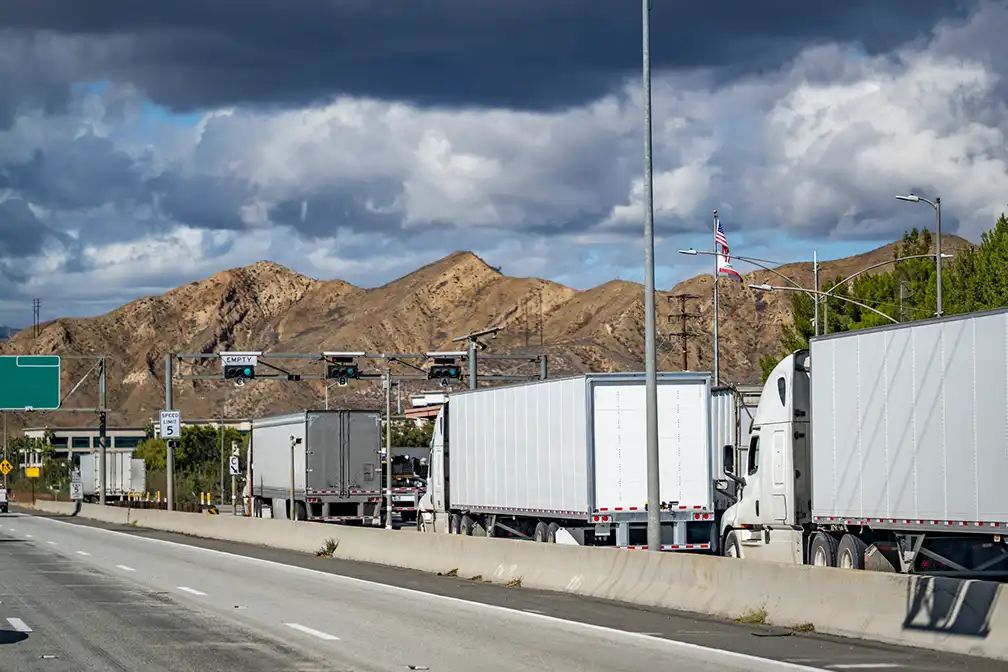
California is moving forward with new truck screening projects aimed at improving how commercial vehicles are monitored along major freight routes. The initiative is part of a partnership between the California Department of Transportation (Caltrans) and Quarterhill Inc., with a total investment of about $2.4 million. The project focuses on expanding truck screening systems to improve enforcement, reduce congestion, and support freight movement across the state.
Truck Screening Technology Focuses on Smarter Inspections
The new truck screening systems will include e-screening technology and weigh-in-motion (WIM) tools. These technologies allow trucks to be screened without always stopping at inspection sites.
Truck screening systems help enforcement officers identify vehicles that may require inspection. At the same time, compliant trucks can continue moving without delays.
As a result, truck screening technology is expected to reduce wait times while maintaining safety and compliance across busy highways.
Truck Screening Projects Planned at Three Key Locations
The truck screening upgrades will be installed at three major freight locations in California:
- Desert Hills Commercial Vehicle Enforcement Facility (Riverside County)
- Interstate 10 corridor (San Bernardino County)
- Route 805 corridor (San Diego County)
These locations were selected due to high truck traffic and their role in connecting major freight corridors. Expanding truck screening in these areas could improve traffic flow and inspection efficiency.
Truck Screening Could Reduce Delays at Weigh Stations
At the Desert Hills facility, truck screening systems will allow officers to focus on vehicles that may be out of compliance.
Instead of stopping every truck, the system uses data to identify higher-risk vehicles. This means:
- Fewer unnecessary stops for compliant drivers
- Faster movement through inspection areas
- Reduced congestion at weigh stations
For drivers, improved truck screening could lead to more predictable travel times and fewer delays.
Weigh-in-Motion Supports Truck Screening Data Collection
The project also includes weigh-in-motion systems, which are a key part of modern truck screening. These systems measure a truck’s weight while it is moving.
On Interstate 10, truck screening data will be collected to track:
- Vehicle weight
- Traffic patterns
- Freight movement
Installation is expected to begin in late 2026 and includes a six-year warranty. Another project will expand truck screening data collection along Route 805.
This data will support long-term planning and help improve highway performance.
Weigh-in-Motion Systems Will Collect Freight Data
Beyond enforcement, truck screening systems provide valuable data for transportation agencies.
According to project details, the data collected will support:
- Infrastructure monitoring
- Freight planning
- Transportation system performance
With better truck screening data, agencies can better understand freight patterns and make decisions about road improvements.
California Expands Use of Truck Screening Technology
California continues to expand the use of truck screening technology as part of its freight strategy. The state operates one of the largest freight networks in North America, making efficient truck screening critical.
Officials say these truck screening systems will help:
- Improve highway safety
- Identify high-risk vehicles
- Reduce congestion at inspection points
As truck screening technology grows, more states may adopt similar systems across major freight routes.
What This Screening Means for Drivers
The expansion of truck screening systems could change how drivers experience inspections in California.
For compliant drivers, truck screening may reduce wait times and allow for faster movement through key freight corridors. At the same time, enforcement will become more targeted.
As truck screening becomes more common, drivers may see fewer stops and more automated systems on highways across the country.