

 Vincent ShakirJune 26, 20253 Mins read1k
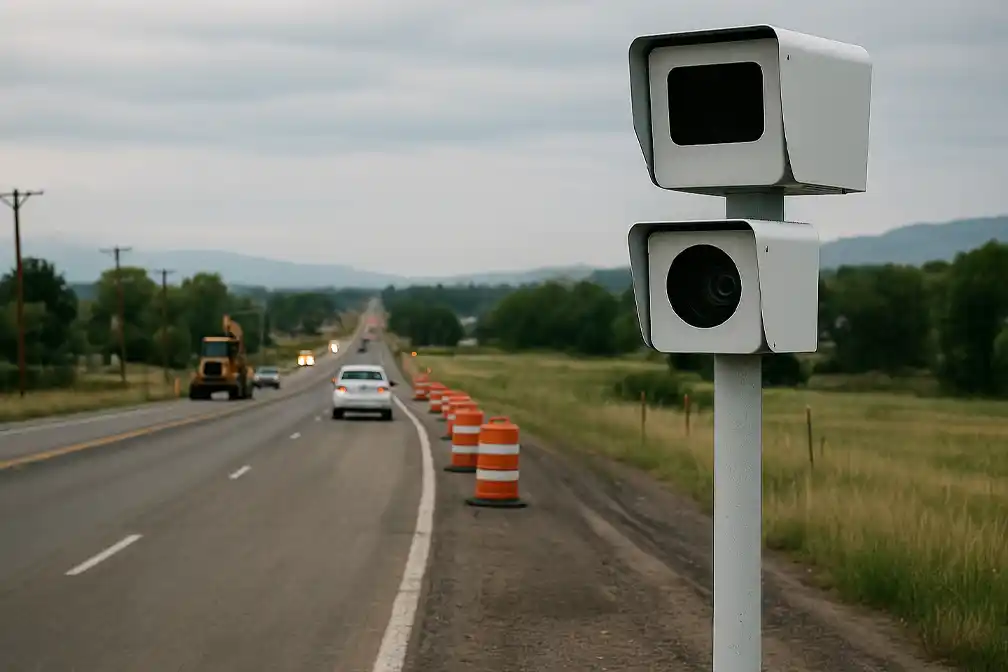
Colorado Speed Cameras to Target Speeding on CO 119 Work Zone
The Colorado Department of Transportation (CDOT) is launching a new safety initiative to reduce speeding in work zones by using speed cameras. The Colorado Speed Enforcement Program will begin along Colorado Highway 119, also called the Diagonal Highway, between Longmont and Boulder.
Speed Cameras Address Rise in Work Zone Fatalities
In 2024, work zone crashes in Colorado led to 567 injuries and 31 deaths. That was almost double the number of fatalities from 2023. CDOT says speeding was a major factor.
“Work zones are high-risk areas with narrow and shifting lanes, closures and sudden stops, making speeding especially dangerous,” said CDOT Chief Engineer Keith Stefanik. “This program is about protecting lives, not punishing drivers.”
How the Speed Cameras Work
CDOT will use speed cameras with Automated Vehicle Identification Systems (AVIS). These systems will be placed at two fixed points in construction zones. They take a photo of each vehicle and record the time it passes each location.
The system then calculates the vehicle’s average speed by dividing the distance by the travel time. If a vehicle is found to be traveling 10 miles per hour or more over the posted speed limit, a $75 civil penalty will be sent to the registered owner of the vehicle.
Warning Period for Speed Cameras Begins July 21
CDOT will first begin with a warning period starting July 21. During this time, violators will receive a single warning notice, even if they break the rule more than once. The notice will be mailed to the vehicle’s registered owner within 30 days of the violation.
Civil penalties will begin later in 2025. The initial enforcement zone will be located on CO 119, which is currently under construction. This area was chosen due to its high traffic volume and history of speeding.
Speed Cameras Focus on Work Zones for Now
In 2025, the speed cameras will only be used in active construction zones. CDOT says future expansions may include school zones and other dangerous roadways.
Col. Matthew C. Packard, Chief of the Colorado State Patrol, said, “The rising number of work zone fatalities is unacceptable. Automated speed cameras take enforcement to the next level and can help prevent needless deaths with or without law enforcement presence. Speeding remains a leading cause of crashes. Motorists must be reminded that slow is safe.”
CDOT Will Post All Speed Camera Locations Online
CDOT says it wants to be clear and open with the public. All active speed camera zones will be listed on CDOT’s website. Each site will include a 30-day warning period before any tickets are issued.
Drivers will also see signs posted at the start of every enforcement area. The signs will say “Camera Speed Enforcement Ahead.”
Speed Cameras Backed by Colorado Law
In 2023, the Colorado General Assembly passed Revised Statute 42-4-110.5. This law expanded the use of speed cameras across the state. It allows CDOT and local governments to use AVIS to monitor speeding and improve safety.
Several cities and counties already use similar systems. These programs are designed to prevent crashes and protect both drivers and pedestrians.
Safety Tips for Driving Through Speed Camera Zones
CDOT continues to remind drivers to follow safety tips in construction areas, especially where speed cameras are active:
- Always follow the posted speed limit.
- Stay alert for lane changes and signs.
- Watch for workers near the road.
- Avoid using cell phones while driving.
- Keep headlights on for better visibility.
- Be cautious at night and in bad weather.
- Expect delays and give yourself extra time.
- Leave space between your vehicle and others.
- Merge when directed and do not change lanes suddenly.
- Be patient and avoid aggressive driving.
CDOT Says Speed Cameras Are About Safety
CDOT says the speed cameras are not about handing out fines. The goal is to reduce deadly crashes and keep roads safer.
For more information, visit codot.gov/programs/speedenforcement.


