Vincent ShakirApril 1, 20252 Mins read1.1k
PACCAR Recall: High Voltage Power Failure Risk
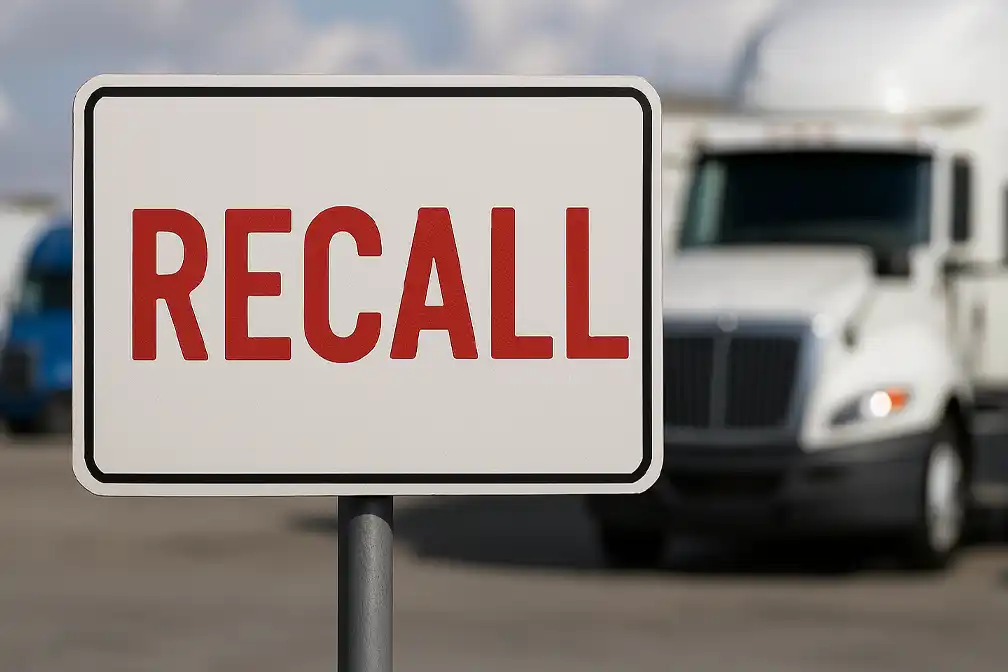
PACCAR Incorporated has issued a recall for 239 of its heavy-duty electric trucks due to a high voltage system failure that can result in a sudden loss of drive power. The PACCAR recall affects select Peterbilt and Kenworth models from the 2021 through 2025 model years.
High Voltage Contactor Failure Can Cut Drive Power
The issue stems from the trucks’ high voltage interlock loop (HVIL) system, which can experience brief interruptions as short as 10 milliseconds. These disruptions may cause the high voltage contactors to open unexpectedly, cutting off power to the electric drivetrain. If this happens while a truck is in motion, the vehicle could lose propulsion without warning.
According to PACCAR’s report, the system does not reset automatically with a key cycle. There are no warning signs or alerts to let the driver know the system has failed. As a result, this defect significantly increases the risk of a crash, especially under load or in high-traffic conditions.
Models Affected by the PACCAR Recall
The recall impacts three electric truck models that use the defective electrical component provided by Accelera, a Cummins Inc. brand. All affected vehicles were built using components manufactured before October 25, 2024.
The recalled models include:
Peterbilt 520: Model years 2021–2025 (71 units affected)
Peterbilt 579: Model years 2021–2025 (84 units affected)
Kenworth T680: Model years 2021–2025 (84 units affected)
Each of these trucks uses a hybrid electric powertrain. Affected models were produced between early 2020 and late 2024, depending on the model.
Timeline of Events Leading to the PACCAR Recall
The defect was first brought to PACCAR’s attention by Accelera on January 29, 2025. Over the following weeks, the two companies held multiple technical meetings to discuss the issue and investigate further.
By February 20, 2025, Accelera submitted a letter to PACCAR outlining concerns with the defective products already in the field. This prompted PACCAR’s safety and engineering teams to review warranty claims and other relevant data. On March 18, 2025, PACCAR’s safety committee decided to initiate a voluntary recall after confirming the risk.
So far, there have been 19 warranty claims related to the issue. No reports of injuries or deaths have been linked to the defect.
Remedy and Repairs
As part of the PACCAR recall, affected customers will receive a free software update and free installation of a new electrical harness to improve the performance of the high voltage circuit. The new harness kit and updated software—referred to as version R6—will eliminate the brief signal interruptions that trigger the power loss.
Dealers are scheduled to begin repairs after May 23, 2025, when owner notification letters are expected to be mailed. Both Peterbilt and Kenworth customer service departments are available to assist truck owners with recall questions.
Peterbilt Customer Service: 1-940-591-4220
Kenworth Customer Service: 1-425-828-5888
PACCAR Recall Numbers: 25PBC (Peterbilt), 25KWC (Kenworth)
Owners who previously paid out-of-pocket for repairs related to this issue may be eligible for reimbursement under PACCAR’s general reimbursement plan.
PACCAR Recall: Regulatory Oversight and Compliance
The PACCAR recall is being carried out under federal safety recall laws enforced by the National Highway Traffic Safety Administration (NHTSA). The agency assigned the recall campaign number 25V-181 and is monitoring compliance and remedy progress.
Truck owners may also contact the NHTSA Vehicle Safety Hotline at 1-888-327-4236 or visit nhtsa.gov for more information or to check if their vehicle is affected.
Clean Production Lines Moving Forward
PACCAR has stated that production lines for these electric trucks have already been updated. Vehicles manufactured after November 20, 2024, include revised software and redesigned electrical circuits that eliminate the issue. The supplier, Accelera, also implemented changes at its own factory on October 25, 2024, ensuring future components are free of the defect.