dayileyvasSeptember 17, 20252 Mins read569

UVeye Expands Drive-Thru AI Truck Inspection Tech to Fleets
UVeye has introduced a new AI Truck Inspection system designed for trucks, buses, and large commercial fleets. The drive-thru technology promises faster safety checks, greater accuracy, and better compliance support. Industry leaders believe it could change how fleets handle inspections and maintenance.
How the AI-Powered Truck Inspection System Works
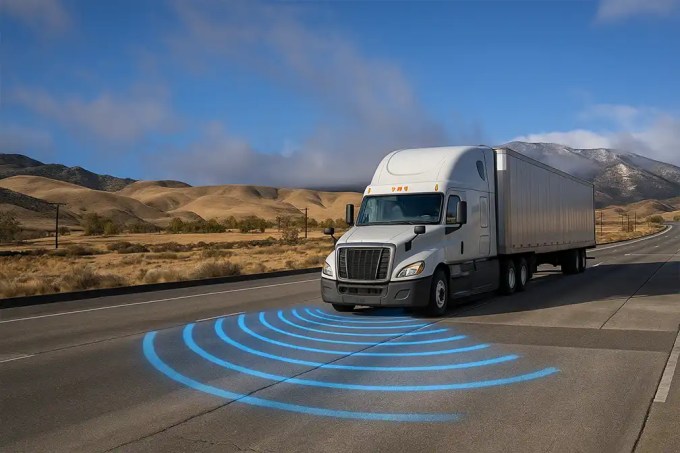
The AI Truck Inspection platform uses high-speed cameras and artificial intelligence to scan vehicles as they pass through a drive-thru lane. The system runs a 17-point inspection in seconds. It checks tires, brakes, underbody parts, and exterior panels.
Each scan creates a detailed digital report. The report includes annotated images and clear findings. Fleet managers and drivers can access it immediately. This helps them decide quickly if repairs or follow-ups are needed.
Benefits of AI Truck Inspection for Fleets
Supporters see many benefits from AI Truck Inspection technology.
- Faster checks. Inspections take only seconds compared to long manual walk-arounds.
- Improved safety. The system can spot hidden leaks, rust, or structural issues that people may miss.
- Better compliance. Reports are digital and consistent, making it easier to show regulators accurate records.
- Cost savings. Catching small problems early prevents big failures and lowers repair bills.
These advantages can reduce downtime and improve reliability across entire fleets.
Why AI Truck Inspection Matters to the Industry
Trucking companies face rising costs from breakdowns, accidents, and lawsuits. At the same time, drivers must meet strict safety rules. The AI Truck Inspection system offers a tool to help balance both challenges.
For drivers, automated checks mean less pressure to rush through pre-trip inspections. For carriers, it means fewer violations and stronger maintenance records. In addition, insurance companies may view fleets with this system as lower risk, which could stabilize premiums.
Expanding AI Truck Inspection to Heavy Vehicles
UVeye’s technology was first used in passenger vehicles. Now, the company has expanded it to Class 6-8 trucks, buses, and commercial fleets. This shift opens the door for use at trucking terminals, fleet depots, and service centers nationwide.
The company believes AI tools will become a standard part of fleet management. By offering drive-thru scanning for large vehicles, UVeye is targeting one of the toughest inspection challenges in transportation.
Challenges with AI Truck Inspection Technology
Even with many benefits, there are still challenges.
- High upfront cost. Fleets must invest in equipment, installation, and training.
- Integration needs. The system must work with existing maintenance and compliance processes.
- AI accuracy. Like any technology, it may produce false positives or miss some issues. Early adopters will need to monitor and adjust.
- Regulatory approval. The inspections must align with U.S. safety standards to be fully recognized.
Despite these hurdles, interest in the system is growing.
Future of AI-Powered Truck Inspection in Trucking
The future of AI Truck Inspection looks promising. As more fleets adopt the system, data will improve its accuracy. Costs may drop as technology scales. Regulators may also update inspection guidelines to account for automated checks.
Carriers that move first may gain a competitive advantage. They can cut downtime, reduce violations, and show a stronger commitment to safety. Over time, AI inspection systems could become as common as electronic logging devices.
Bottom Line on AI Truck Inspection
The AI Truck Inspection system represents a new step in fleet safety. It delivers quick, automated checks that reduce risk and improve compliance. While cost and integration remain concerns, the potential benefits are clear.
For trucking companies and bus operators, this technology could mark the beginning of a more efficient and reliable inspection process. If widely adopted, it has the power to change how fleets approach safety and maintenance in the years ahead.