dayileyvasSeptember 16, 20253 Mins read1.2k

DOT Pilot Programs Aim to Improve Truckers’ Quality of Life on the Road
The U.S. Department of Transportation (DOT), under Secretary Sean P. Duffy, has introduced two new DOT Pilot Programs designed to improve safety, expand rest options, and give truck drivers more flexibility. These initiatives focus on changes to hours-of-service rules and are part of a larger effort to raise the quality of life for truckers on the road.
What the DOT Pilot Programs Include
The DOT announced two major pilot programs through the Federal Motor Carrier Safety Administration (FMCSA).
- Split Duty Period Pilot – This program would allow drivers to pause their 14-hour driving window. The pause must last no less than 30 minutes and no more than three hours. The goal is to test if these breaks reduce fatigue without harming safety.
- Flexible Sleeper Berth Pilot – This program would expand sleeper berth options. Right now, drivers can use “8/2” or “7/3” splits to meet their rest requirements. The pilot would explore more flexible patterns, such as “6/4” or “5/5.” Data will show how these options affect rest, fatigue, and safety.
Why the DOT Pilot Programs Matter
Fatigue continues to be a major safety concern in trucking. Long driving hours without enough rest raise the risk of crashes. With DOT Pilot Programs, the FMCSA hopes drivers can manage their schedules better and rest when they truly need to.
These changes may also improve drivers’ quality of life. More flexible schedules give them the chance to handle personal needs or delays without losing valuable work time. At the same time, the programs are designed as research projects. Regulators will only make permanent changes if the data shows that safety remains strong or improves.
Broader Efforts to Support Truck Drivers
The DOT Pilot Programs are part of a larger “Pro-Trucker Package” announced by Secretary Duffy. This package includes several key measures:
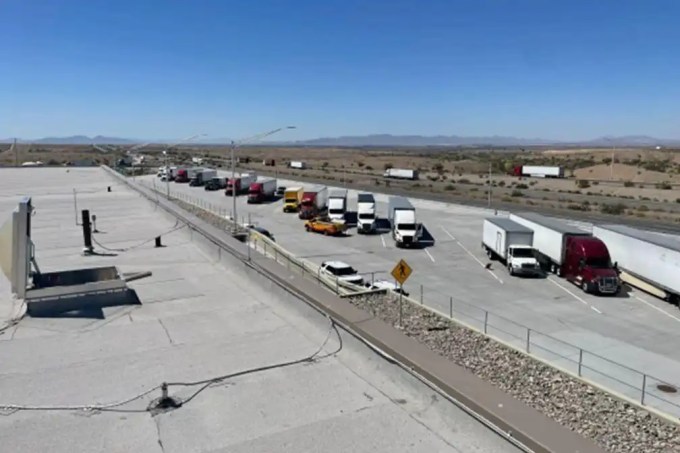
- Expanding truck parking across the country to address one of the top challenges drivers face.
- Updating resources and tools that help drivers manage compliance and safety.
- Reforming regulations to avoid “one size fits all” mandates and give flexibility where possible.
- Cracking down on bad actors who break safety rules so that responsible drivers can operate on a fair playing field.
Together, these steps aim to create a safer and more supportive environment for truckers.
Timeline for the DOT Pilot Programs
Both pilot programs are scheduled to begin protocol development in early 2026. More than 500 commercial drivers are expected to participate in the studies. The DOT has already published official notices and will collect feedback from the public before moving forward.
Once the programs begin, the FMCSA will monitor results closely. Data on fatigue, scheduling, and crash risk will guide any future decisions. If the pilots prove successful, the rules could be updated nationwide.
Challenges Ahead for the DOT Pilot Programs
While many see the DOT Pilot Programs as a positive step, challenges remain. Flexibility can help drivers rest better, but it could also bring new risks. If rest periods become too unpredictable, drivers may feel pressure to push their limits.
Enforcement is another concern. For the pilots to succeed, accurate reporting and strong oversight are essential. Carriers and dispatchers will also need to adjust schedules. These changes could affect costs, operations, and daily planning.
Finally, driver support will play a big role. Some drivers may welcome the flexibility, while others may worry it could be misused. Clear rules and transparent monitoring will help build trust.
What to Expect from the DOT Pilot Programs
The next steps will be critical. If the pilots show that flexible hours and alternative sleeper berth splits improve safety, the FMCSA may consider permanent changes. In the meantime, drivers and carriers should stay informed and watch how the programs develop.
The DOT Pilot Programs reflect a shift toward balancing safety with driver well-being. If they succeed, they could reshape hours-of-service rules in a way that supports both road safety and truckers’ quality of life.