dayileyvasMarch 24, 20264 Mins read131

Spot Market Sees Strong Gains in Week 11 as Freight Demand Climbs
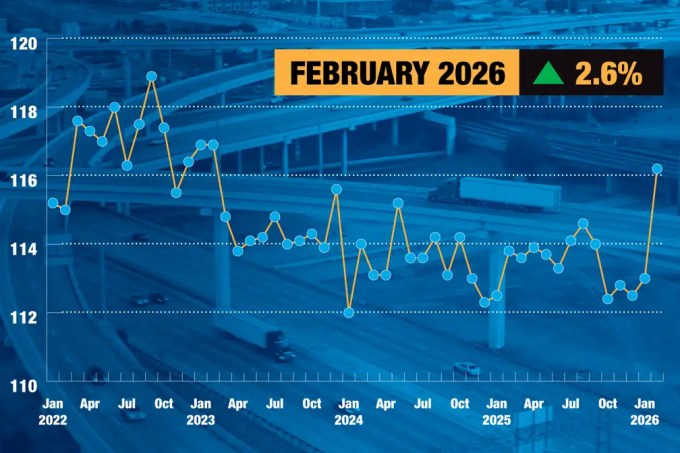
The spot market showed strong momentum during the week ending March 20, 2026 (Week 11), with rising freight demand, higher truckload rates, and increased load activity across most equipment types. Freight rates, truckload rates, and overall trucking market conditions improved as load volumes reached their highest level since mid-2022. Reefer and flatbed rates led the gains, while dry van rates showed mixed results depending on the region.
At the same time, rising diesel costs continued to influence pricing. However, even when excluding fuel-related increases, the market still posted solid gains, pointing to stronger underlying demand in the U.S. freight market.
Load Volumes Reach Highest Level Since 2022
Total load activity increased by 2.0% week over week, reaching the highest level since June 2022. Compared to the same week in 2025, load postings were about 41% higher, indicating continued growth in freight demand.
Truck postings remained flat, which pushed the Market Demand Index (MDI) higher. This index, which measures the ratio of loads to available trucks, climbed to its highest level in more than four years. As a result, tighter truckload capacity is helping support higher broker-posted rates across the spot market.
These trends suggest that demand is outpacing available capacity, a key factor driving freight rate increases in 2025 and into early 2026.
Overall Spot Market Rates Continue to Rise
The total broker-posted spot rate increased by approximately 8 cents per mile compared to the previous week. This follows a larger increase of more than 10 cents the week before, showing consistent upward pressure on pricing.
Even when excluding a calculated fuel surcharge, rates still increased by more than 4 cents. These adjusted rates are now near their highest levels since July 2022.
Year-over-year comparisons show even stronger gains:
- Total spot rates are up about 18% compared to the same week in 2025
- Rates excluding fuel surcharges are up roughly 9.5%
Although most carriers in the spot market do not receive separate fuel surcharges, these calculations help estimate how rising diesel prices are affecting overall rate levels. Diesel costs surged by more than $1.17 per gallon over the previous two weeks, increasing fuel expenses by an estimated 17 cents per mile.
Dry Van Rates Show Mixed Regional Performance
Dry van rates dipped slightly at the national level, falling by about six-tenths of a cent after a sharp increase the previous week. When excluding fuel costs, rates declined by around 4 cents.
Despite this small drop, dry van rates remain significantly higher than last year:
- Up about 29% year over year
- Up more than 20% excluding fuel surcharges
Regional differences played a major role in last week’s results. The Midwest, which led gains in the previous week, saw rates fall back and give up much of those increases. Meanwhile, most other regions recorded strong gains:
- Regions outside the Northeast posted increases of more than 10 cents
- The Northeast remained relatively flat
On the volume side, dry van loads increased by 5.9%, marking the largest gain in seven weeks. Compared to the same week in 2025, load volumes were about 50% higher. This increase was seen across nearly all regions, although growth in the Midwest remained limited.
Reefer Rates Surge Ahead of Seasonal Demand
Refrigerated freight posted one of the strongest performances of the week. Spot rates increased by just over 18 cents per mile, marking the second-largest weekly gain of the year.
When fuel surcharges are excluded, reefer rates still rose by nearly 15 cents. These increases pushed rates to their highest level in six weeks.
Year-over-year comparisons highlight the strength of the refrigerated segment:
- Rates are up close to 42% compared to the same week in 2025
- Rates excluding fuel surcharges are up more than 37%
Several factors may be contributing to these gains. The upcoming Easter holiday likely increased demand for temperature-controlled freight. However, analysts note that the increase this year is significantly larger than typical seasonal trends.
Another key factor is rising fuel costs for refrigerated trailers. Unlike dry van or flatbed equipment, refrigerated units require additional fuel to power cooling systems. As fuel prices rise, carriers may adjust rates more aggressively to cover these added costs.
Regionally, reefer rates increased across nearly all areas:
- Gains ranged from 11 to 28 cents in most regions
- The Northeast saw a smaller increase of about 5 cents
Reefer load volumes also surged, rising 17.0% week over week. This marks the largest increase since the winter storm disruptions earlier in the year. Compared to 2025, volumes are up about 39%.
Flatbed Rates Hit Highest Level Since August 2022
Flatbed rates continued their upward trend, increasing by 9 cents per mile. This follows an 11-cent increase in the previous week and brings rates to their highest level since August 2022.
Excluding fuel surcharges, flatbed rates rose by 5.5 cents. These adjusted rates are also near multi-year highs.
Year-over-year data shows steady growth:
- Flatbed rates are up more than 16% compared to the same week in 2025
- Rates excluding fuel surcharges are up nearly 8%
Regional performance varied:
- Strong gains were seen in the South Central, Southeast, and West Coast regions
- The Midwest showed weaker growth, with rates nearly flat
Unlike the reefer and dry van segments, flatbed load volumes declined slightly. Loads fell by 1.0%, marking the first weekly decrease in eight weeks.
Despite this drop, flatbed load postings remain about 42% higher than last year. However, this represents the weakest year-over-year comparison so far in 2026.
Regional volume trends also varied:
- Significant increases occurred in the Mountain West and West Coast
- Other regions saw declines, except for the South Central, where volumes were mostly stable
Fuel Costs Continue to Influence Freight Rates
Rising diesel prices remain a major factor shaping the trucking market. Over the past two weeks, fuel costs have increased sharply, adding pressure to carrier operating expenses.
While not all carriers receive fuel surcharges in the spot market, higher fuel prices are still reflected in overall rate increases. This trend is especially noticeable in refrigerated freight, where equipment requires additional fuel to operate.
As a result, part of the recent rise in truck rates is tied to cost recovery rather than purely demand-driven pricing. However, even after adjusting for fuel, the data show that the spot market is strengthening.
Spot Market Trends Point to Strong Demand
Overall, Week 11 data highlights a stronger trucking market with rising freight demand, increasing load volumes, and improving truckload rates.
Key trends include:
- Load volumes at multi-year highs
- Market Demand Index at its highest level in over four years
- Strong rate growth in the refrigerated and flatbed segments
- Continued regional variation in dry van performance
These indicators suggest that the spot market is entering a more active phase. Higher demand combined with limited capacity is pushing rates upward, even as fuel costs add additional pressure.
As the industry moves further into the spring season, factors such as seasonal shipping patterns, fuel prices, and regional demand shifts are expected to continue shaping freight rate trends in 2026.