Vincent ShakirJuly 3, 20266 Mins read294
July 4 Freight Delays May Raise Cargo Theft Risk
Cargo Theft Risk Rises During July 4 Freight Delays
Cargo theft risk may rise during the July 4 holiday period. Freight may sit longer than usual. Some facilities may close. Staffing may also be lower across parts of the supply chain.
Verisk CargoNet is warning transportation and logistics businesses to prepare for higher theft risk during the holiday week. The company said July 4 delays can create chances for organized theft groups. These groups may target staged freight, parked trailers, and high-value loads.
The warning is based on a CargoNet review of 256 theft events. Those thefts happened from July 1 through July 7 between 2021 and 2025. According to the company, theft activity during that period was highest on July 3. Theft reports then dipped on July 4 and July 5.
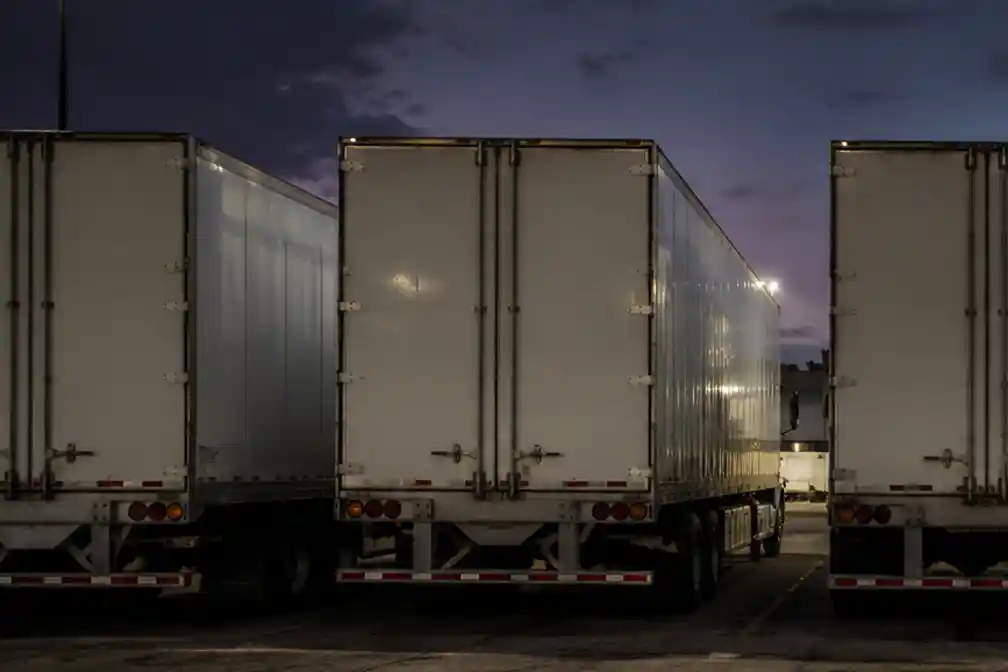
For commercial truck drivers, that timing matters. Loads may be picked up before the holiday. Some may not be delivered until after it. Drivers may be asked to park loaded trailers at terminals, drop yards, truck stops, customer sites, or other staging areas until receivers reopen.
That can create added risk. The risk may be higher when freight is left unattended. It may also rise when loaded trailers are parked in areas with a history of cargo theft.
Losses Top $359 Million in 2026
The July 4 warning comes as cargo theft losses are already high in 2026.
Verisk CargoNet estimates cargo theft loss values topped $359 million during the first six months of the year. The company also reported that the average stolen load value rose to about $341,518.
That number shows why one stolen load can cause major harm. A theft can affect a carrier, broker, shipper, insurer, or trucking business.
CargoNet said the number of reported incidents has declined compared with some recent full-year trends. However, the value of stolen goods has gone up. That may mean thieves are going after more costly loads, even if the total number of theft events is lower.
For truck drivers and owner-operators, this can lead to tighter load rules. Shippers and carriers may require more secure parking. They may also place closer controls on high-value freight.
In some cases, drivers may face stricter rules about where they can stop. They may also be told when they can drop a trailer. Drivers may need to report odd or suspicious activity right away.
High-Value Freight Remains a Cargo Theft Target
CargoNet said thieves continue to target costly metals and technology-related freight.
The company listed metals such as copper, molybdenum, antimony, tungsten, and zinc. It also pointed to enterprise computer and networking parts. These include RAM modules, fiber optic transceivers, storage drives, and enterprise server blades.
Many of these loads can be worth more than $1 million.
CargoNet also said thieves showed interest in food and beverage products during the July 1–7 holiday period. Household goods, electronics, vehicle accessories, and major appliances were also listed. Examples included energy drinks, oils, tires, and appliance shipments.
This matters for truck drivers because stolen cargo often creates more than a lost-load problem. A theft can lead to police reports. It can also trigger insurance reviews, delivery delays, customer disputes, and questions about whether security steps were followed.
Company drivers may have to follow special holiday orders from dispatch. Owner-operators may face added pressure. A cargo claim can affect broker trust, insurance standing, and future load options.
Freight Hubs See Higher Risk
CargoNet said July 1–7 theft activity was most common in California, Texas, and Illinois.
The most often affected counties included San Bernardino and Los Angeles counties in California. Dallas County in Texas was also listed. So were Maricopa County in Arizona, Shelby County in Tennessee, and Cook County in Illinois.
These areas include major freight hubs. They also include large population centers and busy logistics markets.
CargoNet also pointed to theft activity in known hotspots. These included Dallas-Fort Worth, Miami, Atlanta, Chicago, New York, and Los Angeles.
For drivers, these locations may call for extra care during the holiday week. That is especially true when hauling a loaded trailer. A parked truck or trailer may be more at risk when a facility is closed. Risk may also rise when a yard has fewer workers or a delivery appointment is delayed until after the holiday.
The risk may be higher for drivers hauling valuable freight. It may also be higher for freight that is easy to resell.
Cargo Theft Is Becoming More Technical
The July 4 warning is not only about traditional theft.
CargoNet said the industry is also seeing more identity-based fraud. The company also warned about theft-by-deception schemes. These schemes may involve criminals acting like real carriers, contacts, or company workers.
In 2026, CargoNet said it has seen more misuse of software-based business phone systems. These systems may allow remote actors to make and receive calls from a motor carrier’s verified phone numbers. In some cases, criminals may also be able to monitor active calls.
That creates a serious problem for brokers and carriers. A phone number that looks trusted may not be enough to prove that the person is real.
CargoNet also said criminal groups are trying to access motor carrier accounts on compliance platforms. Brokers use these platforms to check carriers before offering loads. The company cited reports involving remote access tools, stolen login details, and social engineering schemes.
In some cases, fraud actors may trick motor carriers into adding them as approved users. That could make a criminal group look real at the exact time a broker is deciding whether to assign a shipment.
Driver and Carrier Identity Now Matter More
The move toward identity-based fraud creates new concerns for trucking companies. Small carriers and owner-operators may face added risk.
A stolen trailer is a physical security problem. A hacked account, phone system, or carrier profile can become a business identity problem.
If a criminal gets access to a verified phone system or carrier account, the real carrier may have to prove it was not part of a fake pickup or stolen load. That can hurt trust with brokers and shippers. It can still cause damage even if the carrier was also a victim.
For truck drivers, this may lead to stricter checks before pickup or delivery. Drivers may be asked to confirm new instructions through dispatch. They may also be told to avoid last-minute route changes unless those changes have been verified.
Drivers may also need to report calls from unknown contacts. This is especially important if the caller claims to work for a shipper, broker, or receiver.
Holiday weekends can make these checks harder. Normal teams may be short-staffed. Decisions may be made faster. Facilities may be harder to reach. Those gaps can make fake instructions seem more believable.
Cargo Theft Concerns for Trucking Operations
CargoNet expects criminal groups to remain active in the days before July 4. The company also expects risk during the post-holiday reopening period.
CargoNet said current patterns point to continued risk in several areas. These include unattended loaded trailers, shipment misdirection, identity-based fraud, and targeted theft of high-value goods.
For motor carriers and fleets, the warning points to several business concerns. Holiday dispatch plans may need extra review. Loaded trailers may need safer parking. High-value loads may need closer tracking.
Carrier account access may also need more attention. Phone system controls may need to be checked. This is because criminals may try to use trusted systems to make fake activity look real.
Safety and compliance teams may also have a larger role. Cargo theft prevention now includes physical freight security. It also includes digital identity security.
For drivers, the most direct impact may be tighter instructions. These may involve parking, check calls, delivery changes, and trailer security.
A driver hauling through a major freight hub during the July 4 period may face more checks. This may be especially true when moving electronics, metals, tires, appliances, food, beverages, or other targeted cargo.
July 4 Warning Points to Bigger Issue
The July 4 holiday creates a known break in freight movement. Loaded trailers may sit longer than normal. Warehouses may close. Dispatch offices may run with smaller teams. These conditions can create openings for cargo thieves.
However, the larger issue is that cargo theft is becoming more costly and more technical.
CargoNet’s warning shows that the threat is no longer limited to someone stealing an unattended trailer from a lot. Criminal groups are also using phone systems, carrier accounts, compliance platforms, and social engineering schemes.
That shift puts more pressure on truck drivers, owner-operators, motor carriers, brokers, and compliance teams. They must protect the freight. They must also protect the identity of the business moving it.
For the trucking industry, the July 4 risk window is a reminder that cargo security now depends on more than locks, fences, and safe parking. It also depends on trusted calls, verified instructions, and strong control over the systems used to move freight.