Idaho Law Targets Non-Domiciled CDLs Changes
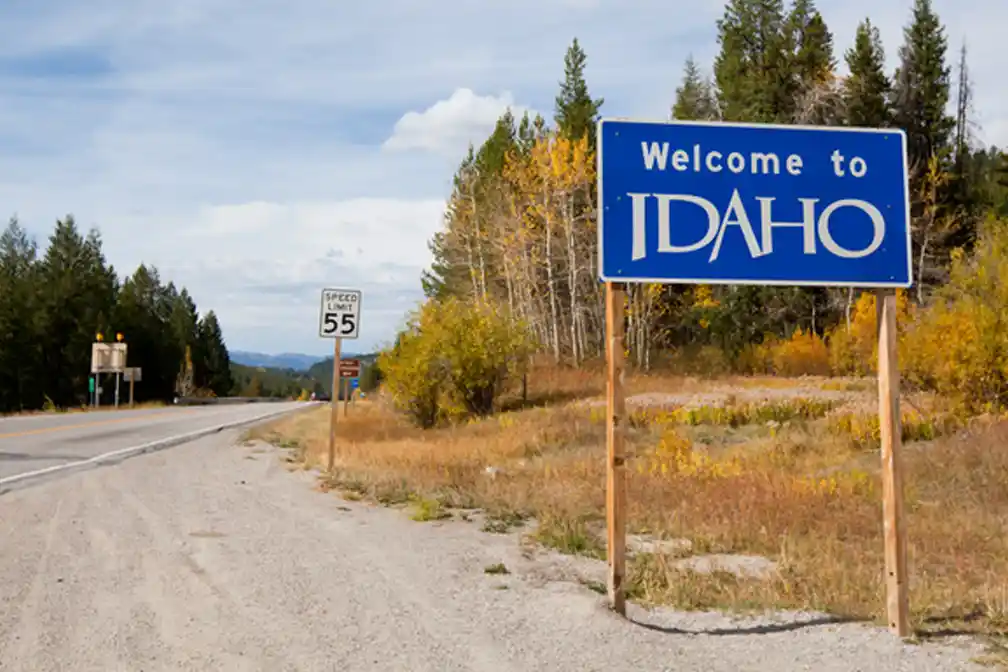
Idaho has enacted a new law that changes how commercial driver’s licenses (CDLs) are issued in the state. The measure limits certain licensing paths. It places more control on where and how drivers complete the CDL process. House Bill 667 was passed by the Idaho Legislature and signed by the governor on March 26, 2026. The law centers on non-domiciled CDLs and how they are handled under state law. It removes several provisions tied to these licenses.
Non-Domiciled CDLs Removed From Idaho Law
One of the main parts of the law removes language tied to non-domiciled CDLs and commercial learner’s permits (CLPs).
Under prior law, non-domiciled CDLs could be issued to drivers who were not residents of Idaho. This included drivers from other U.S. states and foreign countries. These drivers had to meet federal rules.
House Bill 667 changes this by removing key sections of state law. The law:
- Deletes the definition of non-domiciled CDLs and CLPs
- Removes application rules tied to these licenses
- Repeals Section 49-336, which covered nonresident CDLs
These steps remove the legal structure that allowed Idaho to issue non-domiciled CDLs.
CDL Application Changes
The law also updates the CDL application process under Idaho Code Section 49-306.
Many core requirements remain in place. Drivers still need to verify their identity. They must also provide key personal and driving details.
Applicants must provide:
- Proof of identity and date of birth
- Proof of U.S. citizenship or lawful permanent residency
- A record of where they have been licensed for the past 10 years
- Their type of driving, such as interstate or intrastate
- A valid medical certification, if required
Drivers must also report past license issues. This includes suspensions or revocations.
The state will continue to check driver records. This includes using the national driver register. It also includes the commercial driver’s license information system.
Non-Domiciled CDLs Impact on Learner’s Permits
Commercial learner’s permits remain part of the CDL process. However, the law removes all references to non-domiciled CDLs tied to learner’s permits.
Drivers will still need to apply for a CLP before getting a full CDL. The process includes:
- Submitting an application under oath
- Paying a $29 fee
- Passing required knowledge tests
The key change is who can apply. Drivers who do not meet Idaho’s requirements may no longer qualify under the removed non-domiciled CDL provisions.
CDL Fees Stay the Same
The law does not change most CDL fees.
Current fees remain in place, including:
- $40 for a 4-year CDL for drivers age 21 and older
- $60 for an 8-year CDL for drivers age 21 to 63
- $30 for a 3-year CDL for drivers age 18 to 21
Fees will still be split across state funds. These include the state highway account and emergency medical services funds.
Testing fees and endorsement costs also stay the same.
Seasonal CDL Rules Remain
The law keeps Idaho’s seasonal CDL program in place. This program is used by certain workers in agriculture and related fields.
These seasonal CDLs:
- Last up to 180 days in a 12-month period
- Can only be issued twice in a driver’s lifetime
- Limit driving to a 150-mile radius from the place of business
Drivers must also meet strict safety rules. They must have at least one year of driving experience. They must also have a clean driving record in key areas.
Effective Date for Changes to Non-Domiciled CDLs
The law includes an emergency clause. It will take effect on July 1, 2026.
State agencies are expected to update their systems before that date. They will also adjust how they process CDL applications.
What the Changes Mean for Truck Drivers
The law could affect how some drivers obtain a CDL in Idaho.
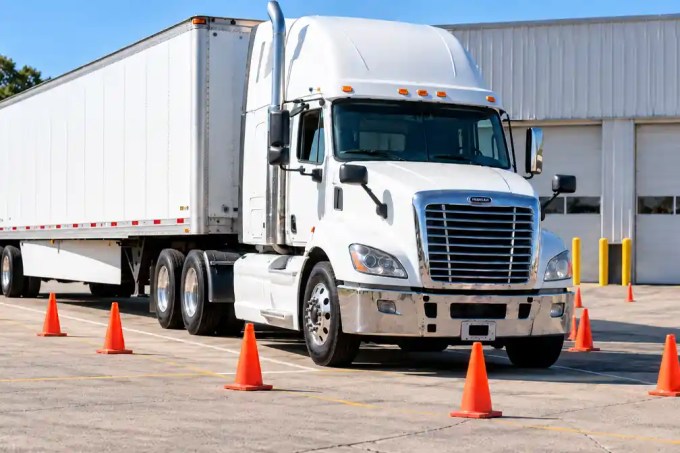
Drivers who live in Idaho will still follow the same basic process. They will apply, test, and complete all steps within the state.
The changes mainly affect drivers who are not based in Idaho. This includes drivers from other states and foreign countries.
These drivers may no longer be able to rely on permits issued elsewhere. They may need to complete the full process in Idaho instead.
This could impact training paths. It could also affect how some drivers enter the industry in the state.
Industry Impact of Non-Domiciled CDLs Policy Shift
The law shows a shift in how Idaho handles CDL issuance. It moves away from issuing licenses to non-residents. It places more focus on in-state training and testing.
For trucking companies, this may change hiring options. Some carriers rely on drivers trained in different states or countries. Those options may become more limited.
The law does not change federal rules. However, it does change how Idaho applies its own state laws.
House Bill 667 outlines a clear change in policy. It focuses on who can receive a CDL in Idaho and how that process is completed. The changes will take effect in mid-2026.
RELATED: Love’s Adds Truck Parking in Montana and New Mexico Routes, CVSA Reports New Human Trafficking Awareness Results & New ASCE Infrastructure Report Card: Improved to a “C”
 Vincent ShakirApril 22, 20263 Mins read1.3k