Vincent ShakirSeptember 11, 20263 Mins read69
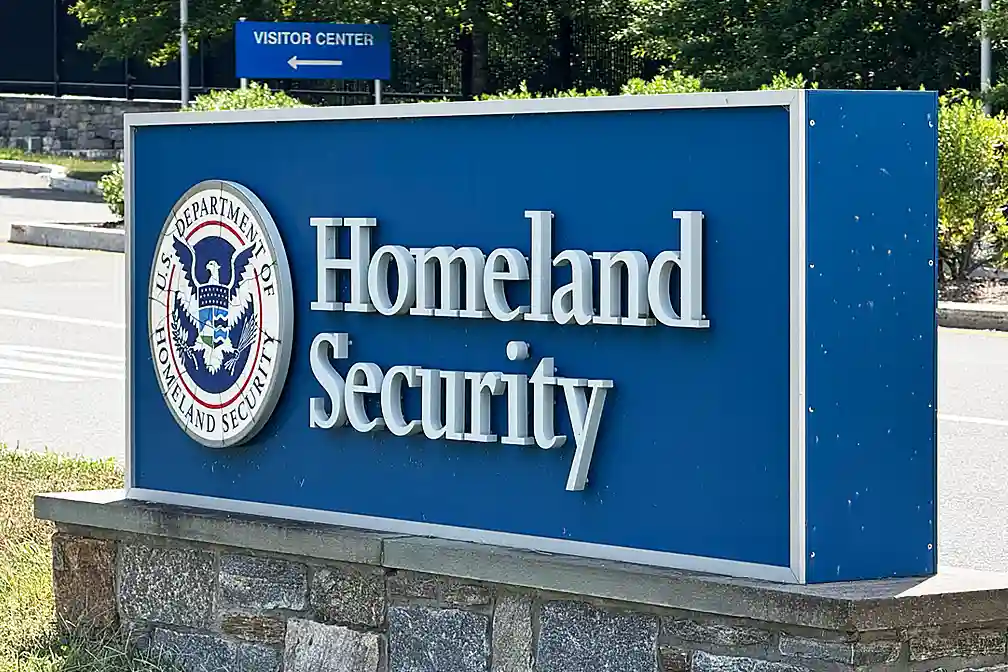
U.S. Immigration and Customs Enforcement (ICE) is asking truck drivers and the public to report suspected commercial driver’s license fraud through a federal tip line. The Department of Homeland Security announced the effort on September 9, 2026. Suspected CDL fraud can be reported by calling 866-347-2423. The announcement does not create a new rule for CDL holders.
Drivers do not have to file a report, register with ICE, or complete new paperwork. Instead, the move gives federal investigators another way to gather tips about possible CDL fraud.
ICE Uses Existing Tip Line for CDL Fraud
The phone number itself is not new.
The number, 866-347-2423, is already used by ICE and Homeland Security Investigations. It is used to collect tips about suspected crimes.
The new part is the focus on CDL fraud. Federal officials are now telling the public to use the same system to report suspected fraud tied to commercial driver’s licenses.
ICE also allows anonymous tips. That means drivers, workers, students, instructors, and others may be able to report suspected wrongdoing without giving their names.
A tip does not prove that fraud took place. It can give investigators information to review.
Federal CDL Fraud Crackdown Is Growing
The tip line announcement comes during a larger federal crackdown on CDL fraud.
Federal officials said on August 31 that agencies were reviewing possible fraud tied to CDL schools, trucking companies, employers, and other businesses. Investigators were also looking at problems with license records, identity papers, work status, and other possible crimes.
Homeland Security Investigations had already sent out more than 1,000 CDL-related business leads. Federal field offices had also issued more than 80 Notices of Inspection.
The government also said several investigations had been opened. An August 31 enforcement effort involved more than 200 driving schools in 23 states.
Those numbers show that the latest CDL fraud reporting effort is part of a much larger federal campaign.
CDL Schools and Testers Face Closer Review
Federal officials have also been looking closely at CDL training and testing.
Earlier actions raised concerns about some Entry-Level Driver Training providers. About 75 schools were suspected of problems such as false training records, improper driver certification, or failure to provide required training.
The federal review later expanded to third-party CDL skills testers. State oversight of those testers also came under review.
This could matter to people working toward a CDL. Applicants depend on schools and testing groups to follow the rules.
If a school or testing service acts improperly, drivers could face trouble later. Questions may arise about how a license was earned or whether required training was completed.
What CDL Fraud Enforcement Means for Truck Drivers
For most properly licensed truck drivers, the September 9 announcement does not change daily work.
There is no new driving rule. No new federal form is required. Drivers also do not have to contact ICE to keep a valid CDL.
Still, the wider CDL fraud crackdown may matter to drivers.
Fraud can involve training records, license information, driver identities, or work documents. Drivers may also face problems if personal CDL information is stolen or used without permission.
Federal officials have warned about scams involving stolen CDL data. In some cases, scammers have used driver information to create false drug and alcohol violations in the FMCSA Drug and Alcohol Clearinghouse.
That makes it important for drivers to protect their CDL number and other personal information.
Carriers and Employers Could Face Scrutiny
The federal effort is not limited to individual drivers.
Officials have also named carriers and employers as possible subjects of CDL-related investigations. That makes the issue important for fleets, recruiters, safety teams, and compliance staff.
A case involving one driver could lead investigators to look at other parts of the process. They may review how the driver was trained, tested, hired, or cleared to work.
Investigators may also look at whether a company knew about false records or other CDL fraud.
That creates a wider compliance issue for trucking businesses. Driver files, training records, identity checks, and hiring practices may receive more attention.
CDL Fraud Enforcement Is Moving Beyond the Roadside
The larger trend may be more important than the tip line itself.
Truck drivers often see enforcement at roadside inspections, weigh stations, and state licensing offices. The current federal CDL fraud effort goes beyond those places.
Investigators are now looking at schools, testers, licensing systems, employers, and carriers. In other words, officials are looking at the full process that puts a commercial driver on the road.
The reporting effort adds public tips to that process. Investigators can now receive information from people inside and outside the trucking industry.
Wider Federal Push Targets CDL Fraud
DHS says the reporting effort is meant to improve highway safety and help find CDL fraud.
For drivers with valid licenses, there is no immediate change in CDL rules. The bigger story is the growing level of federal review across the commercial driver licensing system.
Schools, testers, carriers, employers, and licensing practices are already part of that review. The CDL fraud reporting effort gives investigators another source of information as the crackdown continues.