dayileyvasSeptember 3, 20264 Mins read36
Essential Emergency Kit Supplies for Truck Drivers
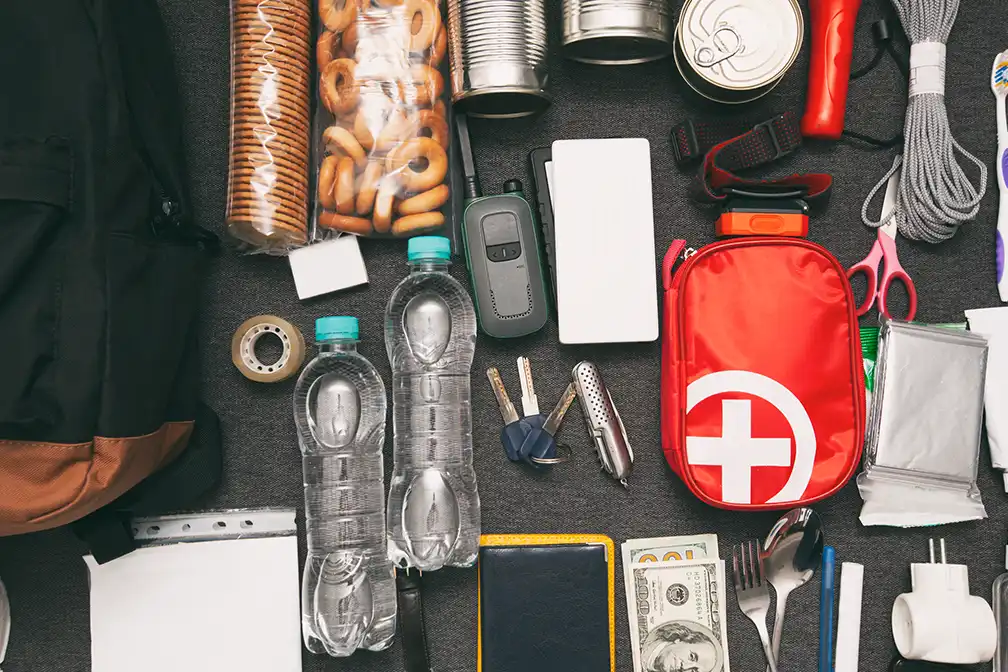
A mechanical failure, severe storm, road closure, or medical problem can leave a commercial driver stranded for hours. A well-stocked Emergency Kit can provide food, warmth, visibility, communication, and basic first aid until assistance arrives.
Some emergency equipment is required under federal regulations. Other supplies are optional but can make an unexpected stop safer and more manageable. The ideal kit combines both categories and changes with the season.
Equipment Required Under Federal Regulations
Federal regulations require most trucks, truck tractors, and buses to carry a properly rated fire extinguisher and warning devices for stopped vehicles.
Under 49 CFR 393.95, required equipment includes:
- A properly rated fire extinguisher
- Three bidirectional emergency reflective triangles or another permitted warning-device option
The fire extinguisher must be filled, readily accessible, and securely mounted. It must not be able to slide, roll, or move vertically while the truck is in operation.
A power unit transporting enough hazardous materials to require placards must carry an extinguisher rated at least 10 B:C. Other covered power units must have one extinguisher rated at least 5 B:C or two rated at least 4 B:C each.
Emergency Kit Warning Devices
When a commercial vehicle stops on a highway or shoulder for a reason other than normal traffic, its hazard warning flashers generally must be activated immediately.
According to 49 CFR 392.22, the required warning devices must be placed as soon as possible and within 10 minutes.
Under the general placement rule:
- One warning device goes about 10 feet from the truck on the traffic side.
- One goes about 100 feet toward approaching traffic.
- One goes about 100 feet in the opposite direction.
Different placement rules apply on divided highways, one-way roads, hills, and curves. Drivers should follow federal regulations, company procedures, and any instructions from law enforcement.
Federal rules also restrict flame-producing warning devices on trucks carrying certain explosives, flammable gases, or flammable liquids. Reflective triangles are a practical option for many commercial operations.
Visibility and Roadside Safety Supplies
A disabled truck can be difficult for approaching motorists to see, especially at night or during heavy rain. The required reflective triangles should form the foundation of the roadside portion of an Emergency Kit.
Useful additional supplies include:
- A high-visibility reflective vest
- A bright LED flashlight or headlamp
- Spare flashlight batteries
- Battery-powered warning lights
- Heavy-duty work gloves
- Waterproof rain gear
Additional warning lights or cones may improve visibility. However, they do not replace the warning devices required by federal regulations.
Drivers should avoid standing in active travel lanes while placing or retrieving equipment. If conditions make leaving the cab unsafe, emergency services or the carrier’s roadside assistance provider may need to manage the situation.
Communication and Backup Power
A mobile phone can connect a stranded driver with dispatch, emergency services, law enforcement, or roadside assistance. That phone offers little help when its battery is dead.
Communication supplies may include:
- A mobile phone charging cable
- A 12-volt vehicle charger
- A fully charged portable power bank
- A written list of emergency contacts
- A paper road atlas
- A battery-powered weather radio
Paper contact information and maps provide a backup when a phone is damaged, has no signal, or loses power. Emergency numbers can include the carrier, roadside assistance provider, insurance company, and important personal contacts.
Food, Water, and First-Aid Supplies
Road closures and severe weather can delay assistance. Bottled water and shelf-stable food can help during a long wait.
Suitable food choices include protein bars, nuts, dried fruit, crackers, and other products that do not require cooking or refrigeration. Supplies should be stored in sealed containers and replaced before they expire.
A basic first-aid kit may contain:
- Adhesive bandages and sterile gauze
- Antiseptic wipes
- Medical tape
- Disposable gloves
- Instant cold packs
- Basic pain relievers
- Necessary prescription medications
A first-aid kit is intended for minor injuries. Serious injuries, breathing problems, chest pain, uncontrolled bleeding, or other medical emergencies require professional assistance.
Seasonal Emergency Kit Supplies
Emergency supplies should reflect the regions and seasons in which a truck operates. The National Weather Service recommends winter vehicle supplies such as blankets, extra clothing, flashlights, food, water, shovels, traction material, jumper cables, and road maps.
A winter kit may include:
- An insulated blanket or sleeping bag
- Warm socks, gloves, and a hat
- Waterproof boots and outerwear
- An ice scraper and snow brush
- A compact shovel
- Sand or another traction aid
- Chemical hand warmers
Hot-weather operations require different preparation. Extra drinking water, sunscreen, a wide-brimmed hat, and lightweight clothing may help during a breakdown in extreme heat.
Basic Tools and Recovery Equipment
A small collection of tools can help with minor problems. However, emergency repairs should remain within a driver’s training and company policy.
Useful equipment may include:
- A tire-pressure gauge
- Jumper cables or a portable jump starter
- A multipurpose tool
- Basic screwdrivers and wrenches
- Spare bulbs and approved fuses
- Electrical tape, duct tape, and cable ties
- Windshield washer fluid
Tape and cable ties should only be treated as temporary measures. A truck should not return to service when a defect makes it unsafe or violates federal equipment rules.
Documents and Personal Essentials
Copies of important information can save time during an emergency. Documents should be stored together in a waterproof envelope or folder.
The packet may contain vehicle registration, insurance information, emergency contacts, roadside assistance details, and carrier reporting procedures. Shipping papers and hazardous-material documents must remain stored and accessible as required by applicable regulations.
Personal hygiene supplies, spare eyeglasses, cash, and an extra set of clothing can also be useful during an extended delay.
Check the Emergency Kit Regularly
Emergency supplies can expire, leak, lose power, or disappear after use. The federal government’s Ready.gov vehicle guidance recommends supplies such as jumper cables, reflective warning equipment, a phone charger, a blanket, a map, and traction material.
A complete inspection should be performed at least every six months and before major seasonal changes. The inspection should cover:
- Fire-extinguisher charge and mounting
- Reflective triangle condition
- Flashlight and radio batteries
- Portable power-bank charge
- Food and water expiration dates
- First-aid and medication expiration dates
- Seasonal clothing and weather equipment
An Emergency Kit cannot prevent every breakdown or weather delay. However, it can provide essential resources during the first minutes or hours of a roadside emergency.