Vincent ShakirMarch 27, 20263 Mins read56
EPA Guidance Opens Door to New DEF Monitoring Options
The Environmental Protection Agency (EPA) has released new guidance that may affect how diesel engines monitor Diesel Exhaust Fluid (DEF). This system plays a key role in reducing emissions from commercial trucks.
The guidance was issued on March 26, 2026. It focuses on Selective Catalytic Reduction (SCR) systems. It also explains how manufacturers can meet current rules using different sensor technologies. The document does not change the law. Instead, it explains how existing rules can be followed.
Background on DEF and Emissions Systems
Most modern diesel engines use SCR systems to control emissions. These systems help reduce nitrogen oxide (NOx), which is a harmful pollutant.
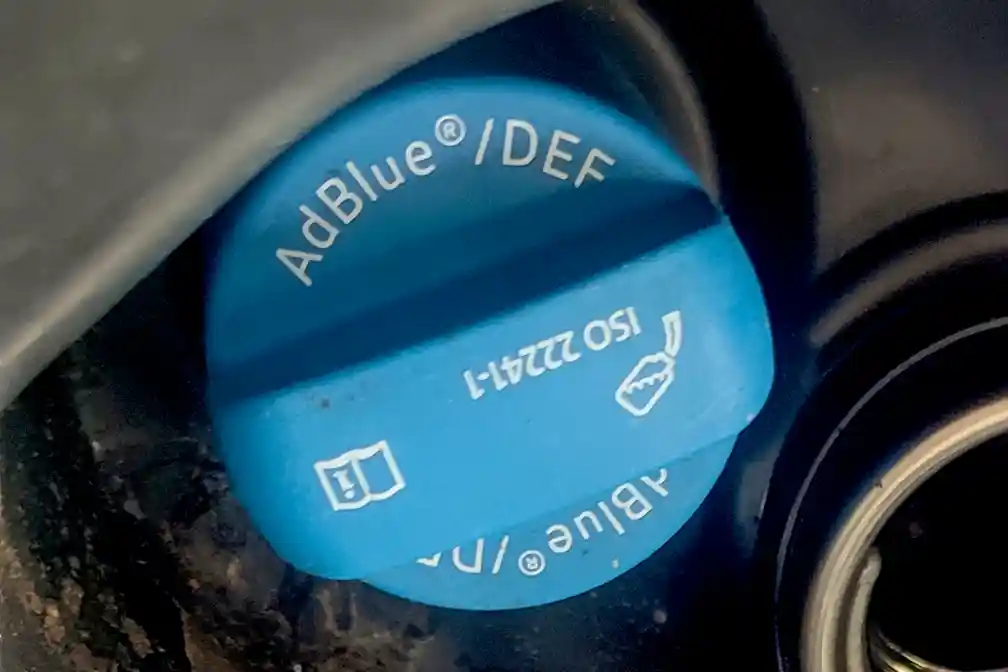
SCR systems depend on DEF. This fluid is made with urea and water. It is injected into the exhaust system to break down emissions.
For the system to work as intended, DEF must meet strict quality standards. The industry standard is 32.5% urea. If the fluid is diluted or contaminated, emissions can rise. The engine may also fail to meet federal limits.
Drivers and operators refill these tanks during normal use. Because of this, the EPA considers DEF quality to be an “adjustable parameter.” This means the system must be able to detect poor-quality and respond.
Issues With Current DEF Sensors
Many manufacturers have used Urea Quality Sensors (UQS) for years. These sensors measure the amount of urea in the DEF.
The EPA says these sensors can have high failure rates. Industry groups and warranty data both point to this issue. Some failures can lead to system warnings or inducements. These can limit engine power.
In some cases, these warnings may happen even when the fluid is not the problem. This can create issues for truck owners and drivers.
Alternative Sensors Now Recognized
The EPA now says manufacturers can use other ways to monitor DEF quality. One option is the use of NOx sensors.
NOx sensors do not measure DEF directly. Instead, they look at emissions in the exhaust. They check how well the SCR system is working. If emissions are higher than expected, the system may detect a problem with fluid quality.
The EPA noted that some engines already use this method. These systems can still be approved if they meet the rules.
Software Updates Allowed Without Penalty
The guidance also addresses updates to existing engines. Manufacturers may update software to use new monitoring methods. This can include adding or switching to different sensors.
The EPA stated that these updates will not be treated as tampering under the Clean Air Act. This applies as long as the updates help meet emission rules.
This means changes may not be limited to new trucks. Updates could also apply to trucks that are already in service.
How DEF Quality Affects Compliance
The EPA still requires engines to meet emission limits across a range of quality levels.
This range starts at the standard 32.5% urea level. It goes down to the point where the system can detect poor-quality DEF.
If an engine cannot meet standards within that range, the design may need to be improved. Manufacturers may need to improve how the system detects DEF quality.
In some cases, the EPA allows a small range where noncompliance may occur. This is only allowed if it is unlikely that operators would run DEF at those levels.
Limits of Monitoring Technology
The EPA also explained that no sensor works perfectly in all conditions.
NOx sensors need certain exhaust temperatures to work. UQS sensors may give false readings if there are bubbles in the DEF tank. Neither system can check DEF when it is frozen.
Because of this, manufacturers can design systems that only test DEF under certain conditions. These conditions must allow for accurate readings.
The EPA also allows monitoring to take more than one hour if needed. This is allowed when more time is required to get a correct result.
What This Means for Truck Drivers
This guidance may lead to changes for commercial truck drivers over time.
New sensor options may reduce false warnings. This could help prevent unnecessary power limits caused by sensor issues.
Software updates may also improve trucks that are already on the road. Drivers may see changes without needing to buy new equipment.
However, drivers still need to use the correct DEF. Poor-quality or diluted fluid can still cause problems. It can also lead to higher emissions and system limits.
Industry Impact and Next Steps
The EPA said it is concerned about ongoing DEF-related issues. These issues can affect how trucks perform in real-world use.
The agency is encouraging manufacturers to improve their systems. It also said it will review new designs more quickly.
This guidance may lead to changes in how these systems are built and updated. Over time, the trucking industry may see more reliable systems in both new and existing trucks.